Why a Broken Heart Feels Like a Broken Bone: The Science of Social Pain

Why a Broken Heart Feels Like a Broken Bone: The Science of Social Pain
Ever wondered why social rejection hurts so much? It's not just emotional-your brain processes social exclusion exactly like physical injury. Discover the surprising neuroscience.
Imagine spilling hot coffee on yourself - that instant, searing pain. Now, recall a time you were ghosted, excluded from a group, or felt a deep sense of betrayal. The knot in your stomach, the ache in your chest-it feels surprisingly similar, doesn't it?
It's not just a poetic metaphor. Neuroscience reveals that our brains process social rejection through the exact same neural pathways as physical injury.

The Brain's Alarms
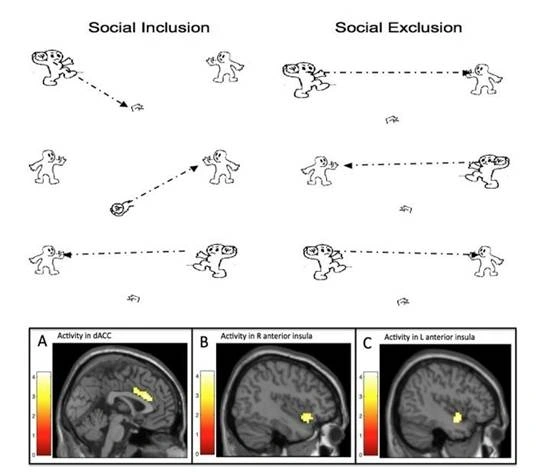
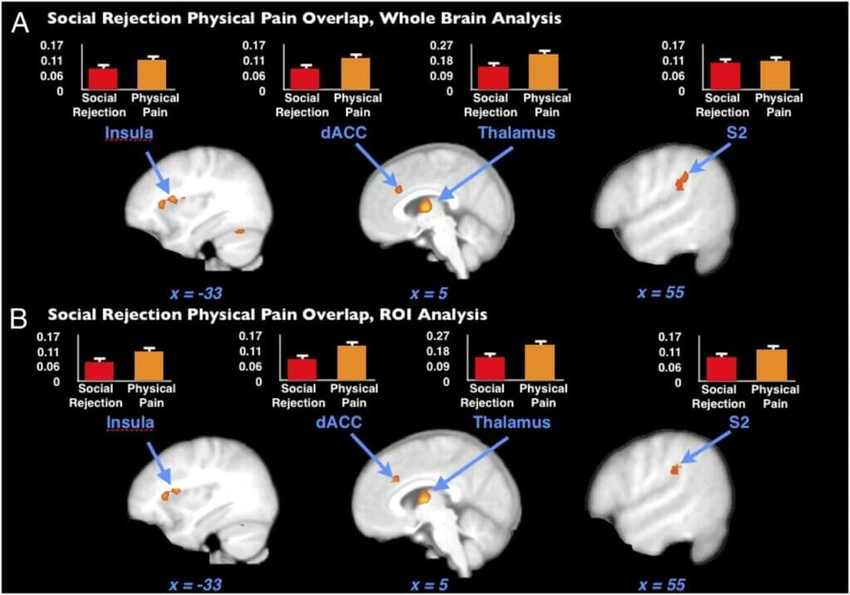
For years, psychologists suspected a link, but it was groundbreaking research by social neuroscientist Naomi Eisenberger and her colleagues that provided hard evidence. Using fMRI scans, they found that when people experienced social exclusion (like being left out of a virtual ball-tossing game called 'Cyberball'), two specific brain regions lit up: the anterior cingulate cortex and the insula.
These aren't just arbitrary spots; they’re the very same areas that become active when we feel physical pain. It's as if our brain doesn't distinguish between a punch to the gut and a punch to our social standing.
An Ancient Warning System
Why would nature design us this way? Think back to our ancient ancestors. Being part of a tribe wasn't just nice, it was survival.
Exclusion from the group meant vulnerability to predators, starvation, and a lack of protection.
Our brains evolved to treat social exclusion as an existential threat, triggering a warning system as potent as the one for physical danger. As psychologist Roy Baumeister eloquently put it in his work on the 'need to belong,'
“The need to belong is a fundamental human motivation, one that exerts powerful influence over our emotions, cognitions, and behaviors.”
This fundamental need, when thwarted, registers as deep pain.

The Real-World Ache
This isn't just academic curiosity. Understanding this neural overlap helps us grasp the profound impact rejection has on mental health, relationships, and even physical well-being. It explains why bullying is so damaging, why breakups feel devastating, and why loneliness can be literally painful.
It validates that sinking feeling-it's not 'all in your head'; it's very real, very physical pain your brain is registering. “Rejection is a universal experience, but understanding its biological underpinnings can help us develop healthier coping mechanisms,” notes Dr. Ethan Kross, a neuroscientist who has explored the pain of emotional wounds.
Just as you’d tend to a cut, acknowledging and processing social pain, seeking support, or engaging in self-compassionate practices can be vital.

So, What Now?
So, the next time someone tells you to 'get over it' after a social slight, remember the science. Your brain isn't being dramatic; it's literally sounding the alarm bells because a fundamental human need has been threatened. Recognizing this connection can foster greater empathy for ourselves and others.
It underscores the profound importance of social connection and gentle treatment, both towards others and, perhaps most importantly, towards ourselves. Because a hurt heart, in a very real sense, is a hurt body.
