India-U.S. Trade Deal Stalls: What's Behind the Delays?
India-U.S. Trade Deal Stalls: What's Behind the Delays?
The much-anticipated India-U.S. trade deal faces unexpected delays! From India's Russian oil purchases to legal hurdles in Washington, discover why this crucial agreement is still pending. #TradeDeal #IndiaUS
The highly anticipated trade agreement between India and the United States continues to encounter significant obstacles, with both a comprehensive Bilateral Trade Agreement (BTA) and an interim deal failing to meet their projected deadlines. Initially, in February 2025, both nations had declared intentions to finalize a BTA by Fall 2025. Subsequently, a framework agreement for an interim trade deal was signed in February 2026, with an aim for implementation by April-May 2026. However, neither of these agreements has come to pass, casting a shadow of uncertainty over future trade relations.
Several key factors are reportedly contributing to these persistent delays. One prominent issue cited is India's ongoing purchases of Russian oil, which has evidently created friction between the two countries. Furthermore, complex legal battles occurring within Washington have also been identified as a substantial impediment to advancing the deal. These interwoven challenges highlight the difficulties in charting a mutually beneficial trade path amid evolving geopolitical dynamics and domestic policy considerations.
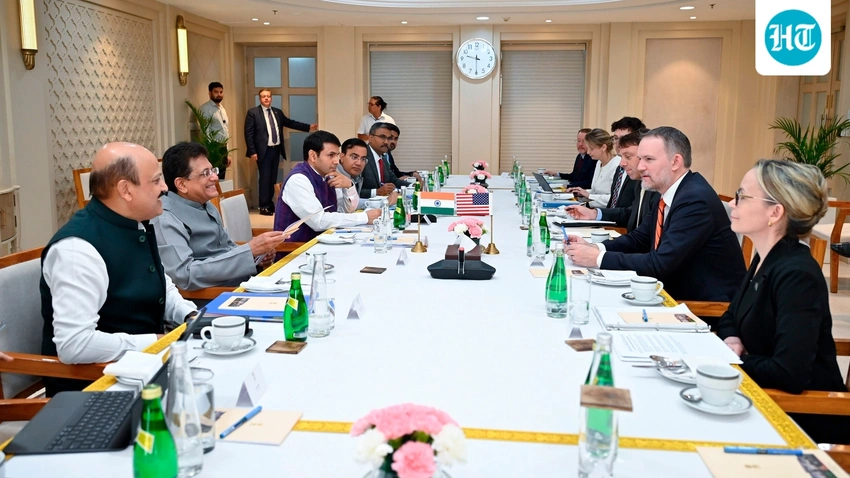
Despite numerous rounds of ministerial-level talks, including recent discussions where India's Commerce Minister Piyush Goyal reportedly commended U.S. Trade Representative Greer's leadership and the dedicated efforts of both negotiating teams, a concrete agreement remains elusive. While both sides affirm their commitment to deepening trade ties, the underlying issues have proven challenging to resolve swiftly, pushing back the timeline for what was once envisioned as a rapid resolution. The journey towards a robust India-U.S. trade pact continues to be a complex one, fraught with geopolitical sensitivities and internal policy challenges.
