Why Does Every Café in Metro Cities Look the Same?

Why Does Every Café in Metro Cities Look the Same?
Why Does Every Café in Metro Cities Look the Same?
From Mumbai to Berlin, cafés chase a photo-ready vibe that often replaces local charm. This piece explores how a global design template and Instagram culture shape what we call authentic, everyday spaces.
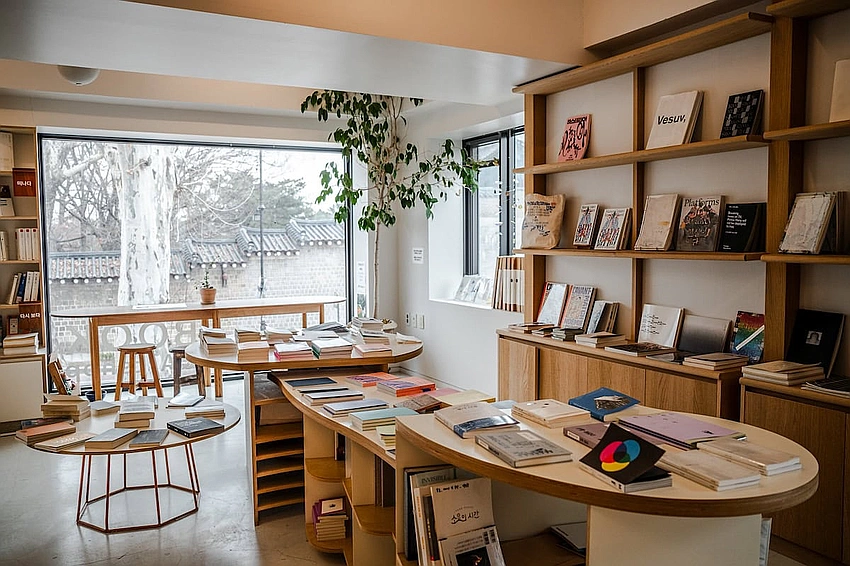
Walk into any café in a major city today, such as Mumbai, London, Seoul, or Berlin, and you might feel an unsettling sense of déjà vu. Exposed brick walls. Edison bulbs. A smattering of potted plants and rattan chairs. A playlist humming lo-fi beats and Lana Del Rey. There’s a rustic-industrial minimalism that promises authenticity but feels eerily familiar, almost cloned.
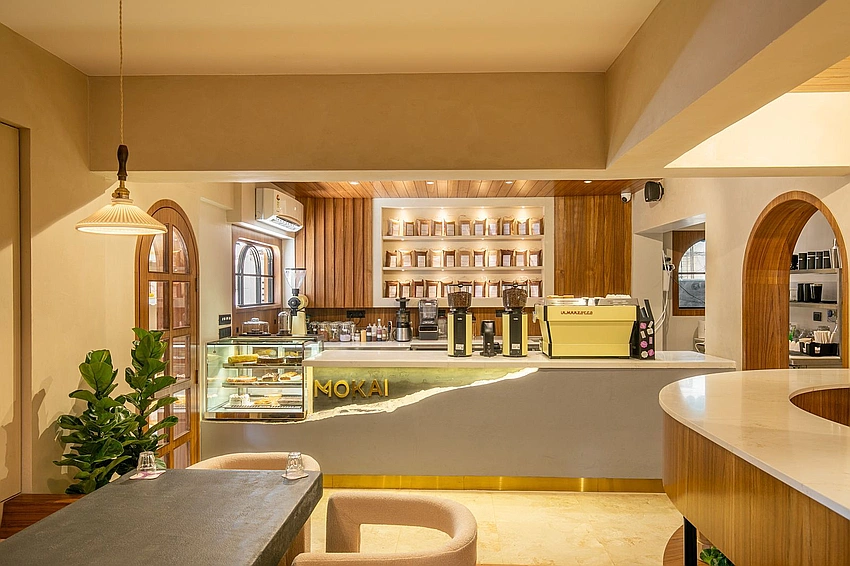
This sameness is not accidental. It’s the result of a globalised aesthetic template that thrives on replicability and social media visibility. Cafés no longer just sell coffee; they sell a feeling, a lifestyle ready to be photographed. The corner café once held a unique charm, reflecting its neighbourhood and local culture. Now, it’s part of a visual monoculture that stretches from Shoreditch to Bandra.
Instagram Made Me Do It
The visual sameness of cafés owes much to the camera lens. Instagram, with its square grids and endless scroll, has redefined what counts as “good design.” The algorithm favours certain visual tropes, including natural light, muted tones, and symmetry, and these preferences shape how spaces are designed. Research in Frontiers in Psychology reveals that social media has a significant influence on aesthetic choices, particularly among young urban consumers who perceive these platforms as extensions of their self-presentation.
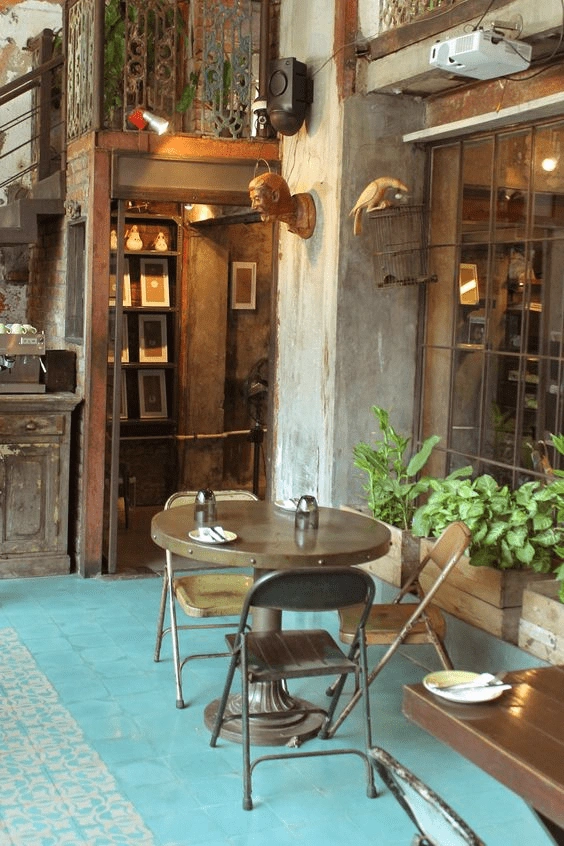
The design is tailored not to comfort but to capture. Aesthetic uniformity becomes a strategy: clean lines, soft neutrals, photogenic flat whites. If your space can be instantly recognised and reproduced on social media, it has succeeded. The café’s design is now inseparable from its digital afterlife.
The Aesthetic of “Gentrified Global”
Behind this homogeneity lies the ideology of gentrification. As urban neighbourhoods undergo rapid redevelopment, independent cafés become markers of “creative” renewal. Yet this renewal often flattens local identities in favour of a global, consumable style. Sociologists have long noted how “third places” like cafés, once vital for community interaction, now serve a more transactional function tied to branding and status.
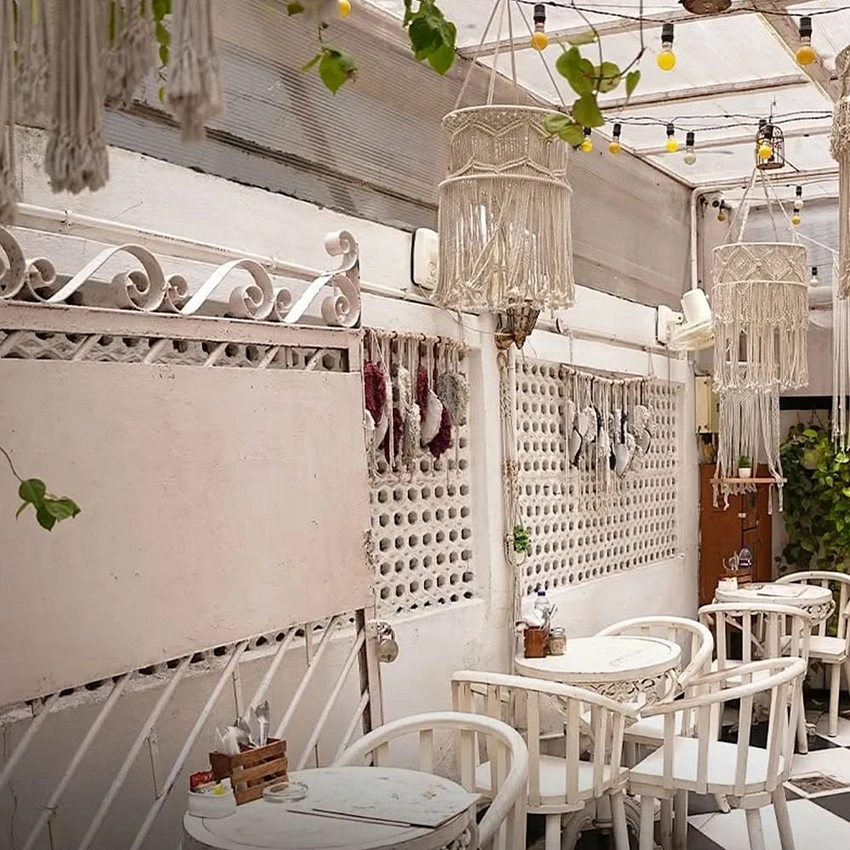
In metro cities, the aesthetic shorthand of artisanal wood and concrete chic is a form of visual gentrification. It signals affluence, safety, and cosmopolitan belonging. You could be anywhere, which is precisely the point. The local is erased for a look that travels well, both across cities and Instagram feeds. What results is a strange non-place: comforting, curated, and deeply interchangeable.
Capitalism Loves a Trend
The homogenisation of cafés also mirrors the logic of late capitalism, where aesthetic difference is commodified, scaled, and standardised. Once a design trend gains traction, such as say, the Scandinavian “hygge” or Japanese “wabi-sabi”, it is quickly stripped of its cultural roots and turned into a replicable aesthetic package.
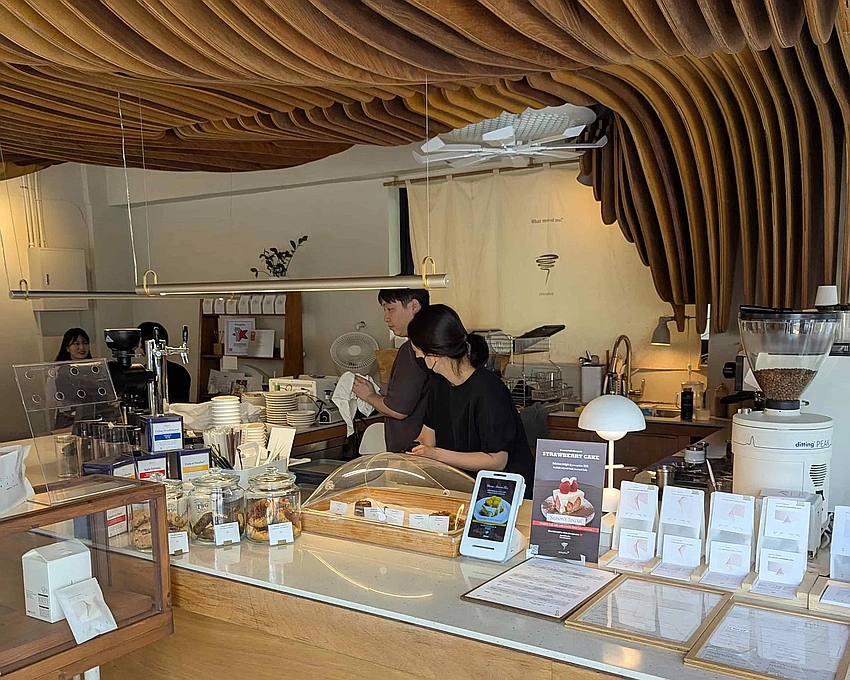
Big brands, start-ups, and franchise chains then adopt this “indie” look to project authenticity. A study on retail design trends notes how global coffee chains increasingly mimic independent cafés to appeal to younger consumers seeking “authentic experiences”. Ironically, what begins as anti-corporate design soon becomes the corporate standard.
The Death of Local Texture
A Parisian café once smelled of cigarettes and strong espresso, with chipped tables and lively arguments. A Kolkata coffee house buzzed with students debating politics under ceiling fans. Now, the aroma of roasted beans is universal, the playlists algorithmic, and the décor algorithm-approved.
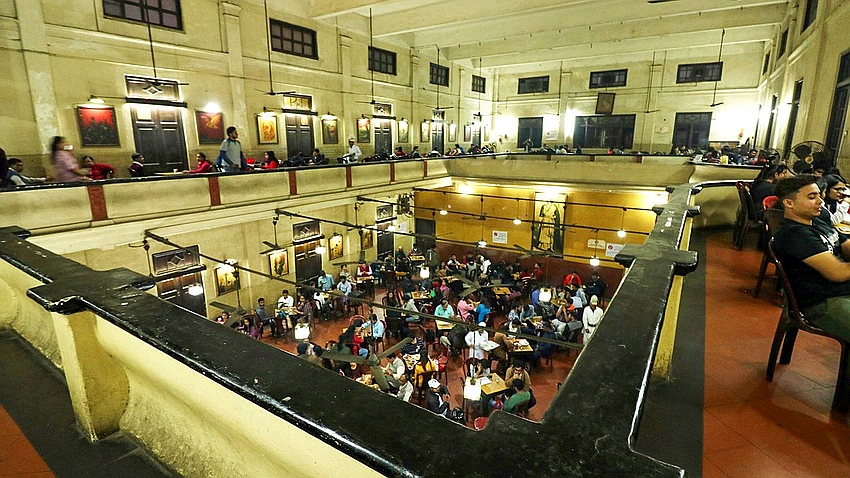
Urban theorists often speak of “placelessness”, i.e., the way globalisation smooths over difference, replacing cultural specificity with aesthetic sameness. The new café aesthetic is placeless, not because it lacks beauty, but because it is too carefully curated to risk disorder. The messiness of local life, the chaos of texture, is replaced by Pinterest precision.
Can We Brew Something Different?
Still, not all hope is lost. Some cafés resist the global template, turning instead to vernacular materials, local artists, or region-specific menus. They treat design as storytelling, not branding. A café in Kochi that uses reclaimed wood from old fishing boats, or one in Lisbon that collaborates with ceramicists, can create an aesthetic that breathes its geography.
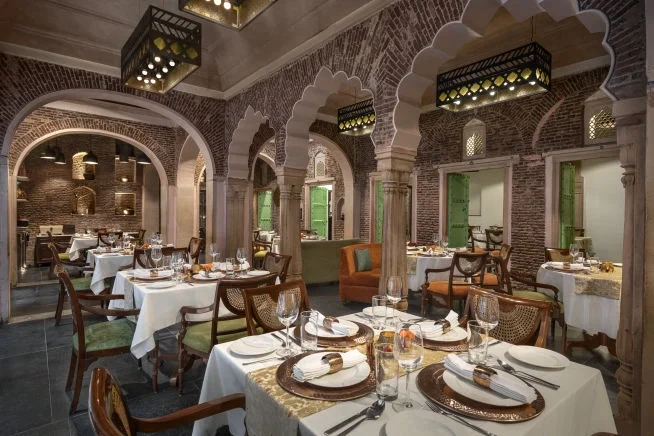
As cities grow more homogenous, perhaps the true mark of authenticity will lie not in mimicry but in resistance with designs that embrace imperfection, history, and locality. After all, cafés are not just spaces to sip lattes; they are cultural microcosms, reflections of the city’s pulse.
If every café looks the same, maybe it’s time to ask: what do we lose when our spaces are this photogenic, and our stories this edited?
#CafeCulture #VisualMonoculture #SocialMedia #InstagramEffect #DesignTrends #UrbanSpaces #ThirdPlace
