Khamenei Signals Tightened Grip on Hormuz Amid Fragile Truce

Khamenei Signals Tightened Grip on Hormuz Amid Fragile Truce
Iran's leadership vows to tighten control of the Strait of Hormuz amid a fragile truce, risking fresh disruption to global oil routes as talks drag on.
Iran's new Supreme Leader Mojtaba Khamenei signaled a tougher posture toward the Strait of Hormuz, vowing to escalate control and seek compensation for wartime losses. He warned that aggressors would not go unpunished and framed the move as a victory, urging continued public pressure during ongoing negotiations. The hard line comes as Tehran still works toward a fragile ceasefire with the United States and Israel.
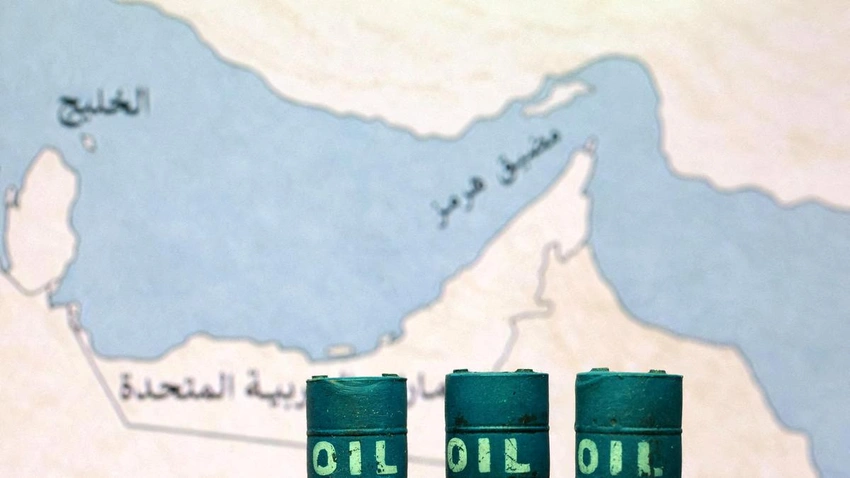
Analysts note the regime has effectively blocked the key shipping lane since early March, a move that helped push global energy prices higher as traders fretted over supply disruptions.
To keep some barrels moving, Tehran has said it will consider alternative routes for ships traversing Hormuz, even as India presses Iran to speed up the movement of its oil shipments; industry executives warn that a full return to normal could take at least three months.
Shipping experts say tanker traffic through Hormuz remains constrained and unlikely to normalize quickly, with weeks, if not months, likely before traffic returns to typical levels. The situation underscores how critical Hormuz remains for global energy flows and why the next rounds of diplomacy will be closely watched by energy traders and policymakers.
