Eurovision: New Rule Bars Nations in Conflict from Hosting!

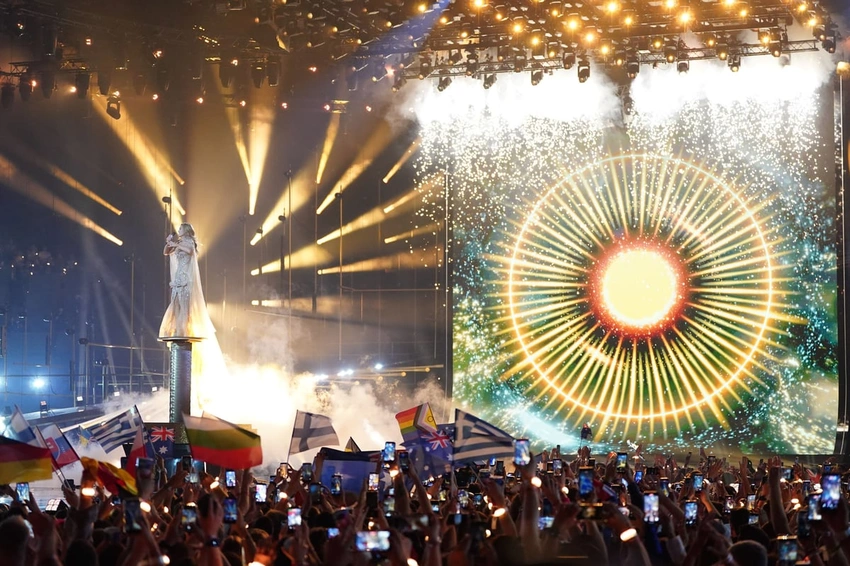
Eurovision: New Rule Bars Nations in Conflict from Hosting!
The European Broadcasting Union introduces a major rule change for Eurovision. Countries involved in armed conflict or "sensitive geopolitical situations" can no longer host the iconic song contest. Learn how this impact
The European Broadcasting Union (EBU), organizers of the popular Eurovision Song Contest, has announced a significant rule change: broadcasters from states involved in “armed conflict” or a “sensitive geopolitical situation” will no longer be eligible to host the competition. This decision, following feedback from participating broadcasters, aims to ensure a “safe and welcoming environment” for all participants and production staff.
Traditionally, the winning country’s broadcaster hosts the subsequent year’s event. This new regulation directly addresses recent challenges faced by the contest. For example, Ukraine won Eurovision in 2022 but was unable to host the 2023 event due to Russia’s invasion. The 2023 contest was subsequently held in the UK on Ukraine’s behalf. Next year’s show is slated for Bulgaria, following singer Dara’s victory.
The rule change also comes amid increasing scrutiny and protests regarding the participation of certain countries. In recent years, Israel’s involvement has drawn considerable controversy, particularly over its conduct in the conflict in Gaza and violence in the West Bank. This year, five long-time participants—Spain, the Netherlands, Ireland, Iceland, and Slovenia—boycotted the competition in Vienna after the EBU declined to exclude Israel. Israel, despite the controversy, secured second place in this year’s contest, as it did in 2025 according to the source material.
Martin Green, the Eurovision song contest director, emphasized the dynamic nature of the event. He stated that the annual review of rules is crucial for maintaining a fair, transparent, and consistent contest for global participants and viewers. The EBU believes these updated guidelines will provide greater clarity for artists and production teams, reinforcing Eurovision's commitment to a secure and inclusive atmosphere.
