Are AI Covers the Future of Music or Just Cultural Theft?

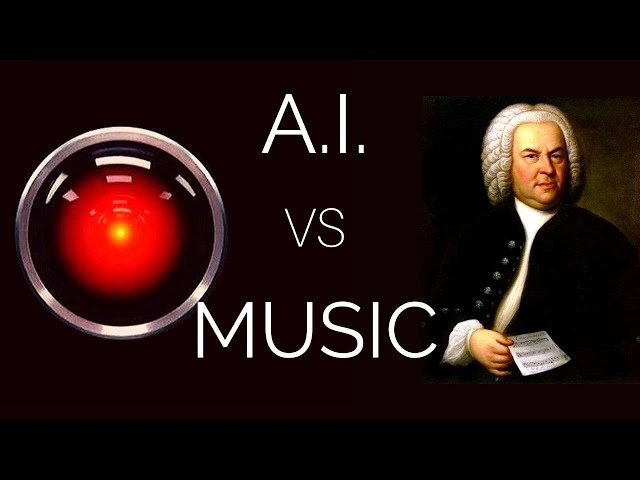
Are AI Covers the Future of Music or Just Cultural Theft?
Are AI Covers the Future of Music or Just Cultural Theft?
Explore how AI-generated music redefines artistry and challenges copyright laws. Is it innovation or an act of theft? Join the debate!
AI-generated covers are not charming novelties; they are acts of cultural vandalism. When a synthetic “voice” produces a song supposedly sung by Frank Sinatra, Beyoncé, or Kurt Cobain, what we are hearing is not an homage but theft disguised as technological novelty. These tracks are not covers in the traditional sense; they are disembodied imitations, scraped from the vocal DNA of real artists and reassembled without consent.
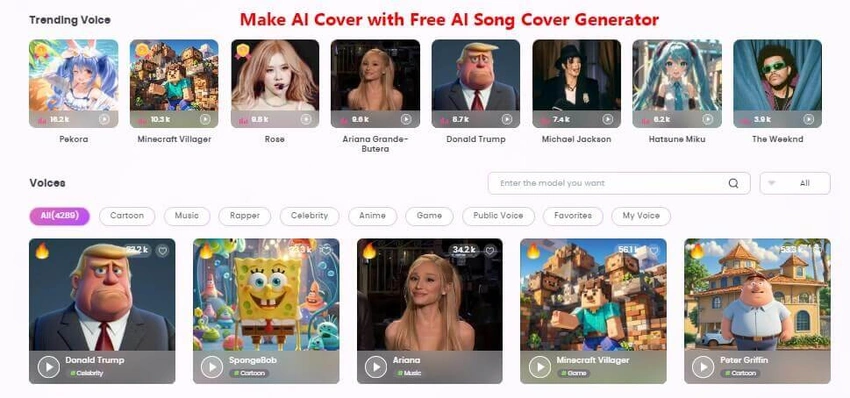
This is not a creative interpretation but the industrial cloning of artistry. It is a form of musical taxidermy: the artist’s voice preserved as a hollow shell, stripped of the breath, the body, and the lived experience that once animated it. What remains is not music but an algorithm’s best guess at what music should sound like.
Copyright in Ruins
Copyright law, which is often reactive rather than proactive, is simply not well-suited for this. It was designed to protect the fruits of human labour, not to regulate the automated mimicry of human style. AI covers break the existing system entirely because they are not recordings stolen in the conventional sense; they are statistical simulations of the human voice.
A model does not “borrow” from an artist; it learns from them, absorbs them, and becomes capable of producing endless fake performances without touching the original recording. That renders the legal notion of infringement almost meaningless. You cannot police an infinite copy factory when the factory doesn’t keep the product. It only keeps the formula.
And make no mistake: this is not innovation. It is an extraction. Artists are stripped for parts, their voices reduced to a set of numbers in a dataset, their creative control erased.
The Death of the Original
Walter Benjamin warned of the diminishing “aura” of artworks in an age of mechanical reproduction. AI obliterates the aura. We are no longer looking at copies of an original work; we are looking at fabricated works that claim the authority of an artist who had no part in making them.
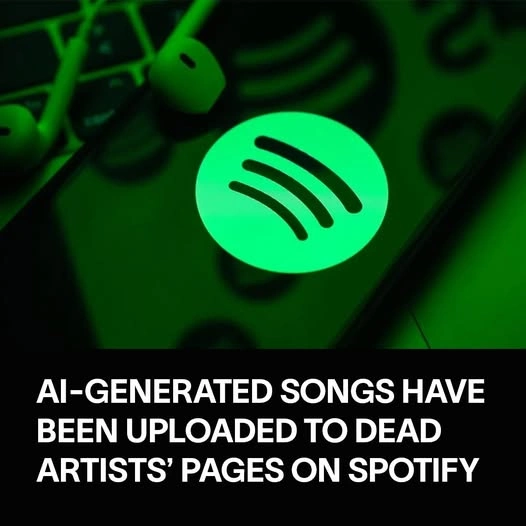
An “AI Beatles song” is not a Beatles song at all. It is a counterfeit that functions by erasing the idea that originality exists. The original ceases to be a fixed point in cultural memory and becomes merely one interchangeable instance in a sea of algorithmically generated possibilities.
This is not only an aesthetic loss but a historical one. Art, when detached from the person who made it, loses its tether to time, place, and intention. It becomes content infinitely adjustable, infinitely reproducible, and ultimately meaningless.
The Ethical Void
There is nothing ethically ambiguous here: AI covers are theft. They are built on the unlicensed harvesting of creative labour, and they operate without the consent of the very people whose artistry they counterfeit.
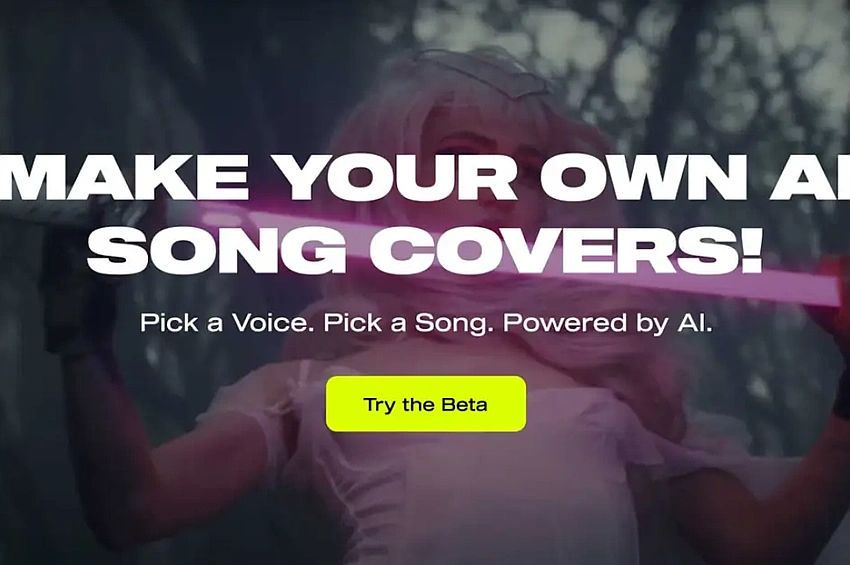
The emotional effect of hearing an AI-generated “duet” between Amy Winehouse and Billie Eilish is not wonder, but a kind of cultural gaslighting, an attempt to convince the listener that the impossible has become not only possible, but normal. This normalisation of forgery is precisely the danger. Once the fake becomes indistinguishable from the real, the real loses its value.
AI advocates sometimes frame these covers as harmless fun or fan creativity. But unlike traditional covers or fan fiction, these works replace rather than reinterpret. They occupy the cultural space that might have been held by authentic human performance, all while parasitically feeding off the original.
The Coming Collapse
We are already living in a post-authentic cultural economy. The more these AI counterfeits circulate, the less the public will care or even notice whether an artist performed what they are hearing. For the tech companies that own the models, this is the goal: to shift culture away from valuing individual artistry and toward valuing the machine’s infinite supply of cheap, derivative output.
The likely outcome is brutal. Human musicians, especially those without massive industry backing, will find themselves competing not with each other, but with perfect imitations of themselves, made by systems they never agreed to train. The idea of “a career” in music will hollow out as the market floods with AI noise masquerading as art.
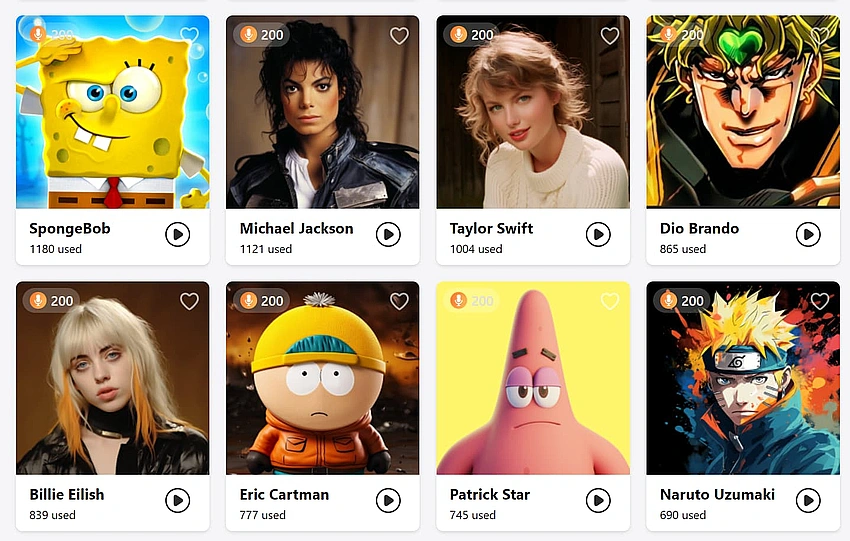
This is not progress; it is cultural strip-mining. Every AI-generated cover is a small act in the slow-motion destruction of originality. If we lose the ability to tell the difference between a real song and a counterfeit, it will not be because the counterfeit became great; it will be because the real was buried under a mountain of synthetic debris.
And when the original is gone, replaced by endless simulations, we will realise too late that we have traded the living voice for an echo that never belonged to anyone at all.
#AIMusic #CulturalDebate #CopyrightIssues #MusicIndustry #ArtVsTechnology #AI
