Iran Stops Pakistan-Bound Ship At Hormuz For Lacking Approval

Iran Stops Pakistan-Bound Ship At Hormuz For Lacking Approval
Iran Stops Pakistan-Bound Ship At Hormuz For Lacking Approval
Iranian forces intercepted a container vessel bound for Pakistan in the Strait of Hormuz after the IRGC said the ship failed to obtain transit permission, signaling heightened risk to global oil flows amid intensifying M
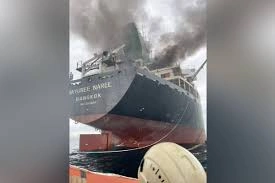
Iranian forces have intercepted a container vessel bound for Pakistan at the Strait of Hormuz as the war in the Middle East intensified. The SELEN, a product carrier travelling out of the Sharjah anchorage of the United Arab Emirates to Karachi, had to turn back at the opening of the important waterways because no transit permission was granted, the Islamic Revolutionary Guard Corps (IRGC) said.
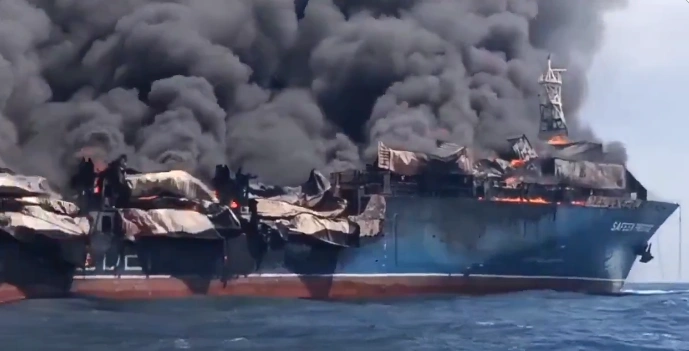
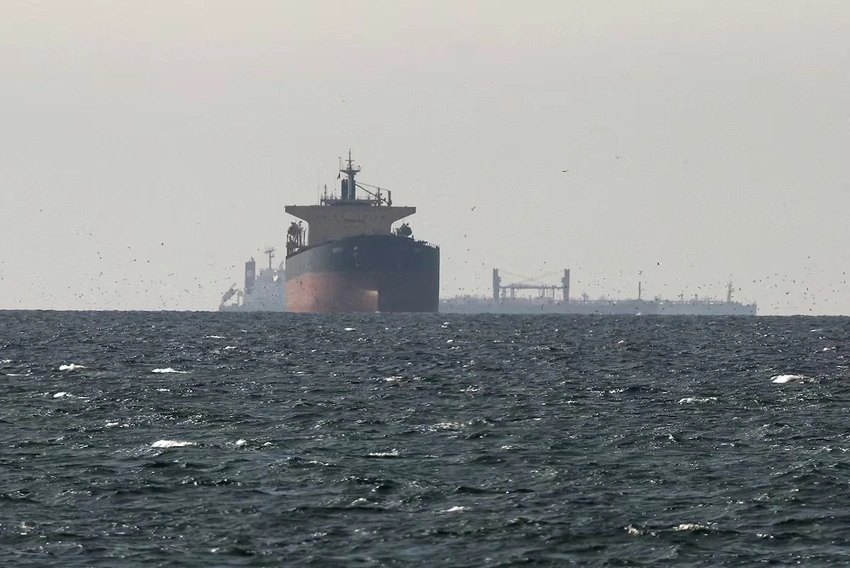
Iran has, in effect, blocked the Strait of Hormuz connecting the Persian Gulf to the rest of the world, as it says it is open to vessels of Israel, the US, and other interested parties in the conflict. Approximately a fifth of world oil transit is on the strait, yet attacks on ships have paralyzed almost all tanker movements.
Why was the Pakistani Ship Stopped
The IRGC Navy has refused to allow the container ship SELEN to pass because it failed to follow the legal procedures and permission to transit the Strait of Hormuz, IRGC Navy commander Alireza Tangsiri said in an X post.
Any transit of any ship through this waterway must be fully coordinated with the maritime authority of Iran, and this has not been possible without the support of the noble people of Iran, he said.
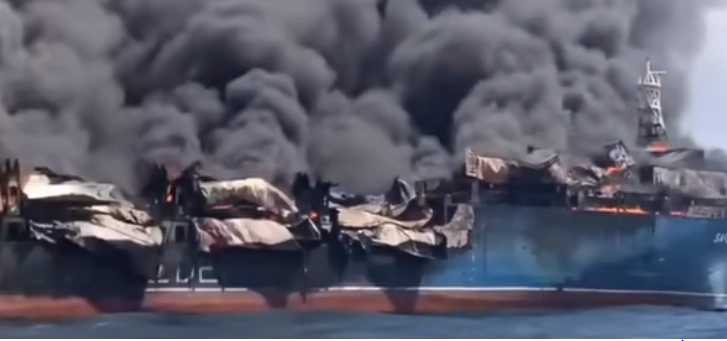
Iran has stated that it is planning to control the open passage of the Strait of Hormuz. These non-hostile vessels have been granted access to arrange the passage of their vessels so long as they liaise with the Iranian authorities prior to leaving (and in other instances, pay to do so), but vessels linked to the rivals will be denied entry to the waterway.
Pakistan's Role In Conflict
With the war in full swing in the Middle East, Pakistan is attempting to establish itself as the mediator of effective and decisive negotiations between the US and Iran to end the conflict. The fact that Islamabad has courted US President Donald Trump and is a comparatively neutral actor with long-term connections to the Islamic Republic of Iran, which borders it, gives it strength in its popularity as a potential host of talks.
Iranian forces to date have turned down all talks. However, should Islamabad succeed in brokering the negotiations, it would see Pakistan gain even greater international visibility than it has had since the South Asian state acted as the hostage to the backdoor deal that saw US President Richard Nixon travel to China in 1972.
An end to the war would also have a direct positive effect on Pakistan. The threat of a protracted war in Iran spreading to Pakistan is said to be one of the biggest concerns of Islamabad. It is already involved in a battle with the Afghan Taliban and has also been hit by fuel disruptions due to the Iran war.
