Russia & China Veto UN Monitoring of Iran Nuclear Program! ☢️

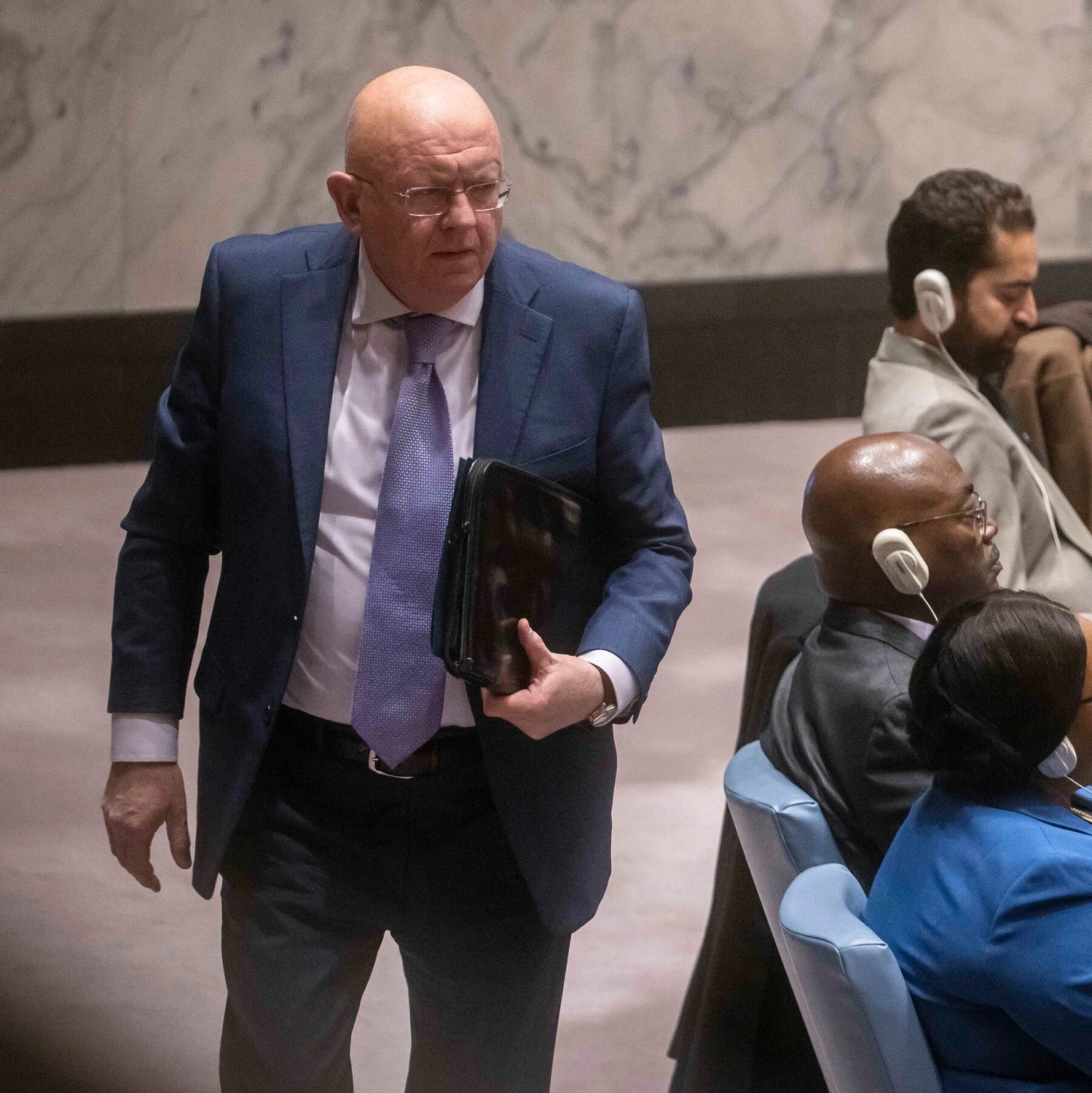
Russia & China Veto UN Monitoring of Iran Nuclear Program! ☢️
World powers clash at the UN! Russia and China block US efforts to monitor Iran's nuclear program. What does this mean for global stability and sanctions enforcement?
In a significant geopolitical development, Russia and China vetoed a United Nations resolution on Thursday, September 17, 2026, that aimed to authorize UN experts to continue monitoring sanctions against Iran's nuclear program. This move has intensified the ongoing friction between major world powers regarding the United States' pressure campaign on Iran.
The proposed resolution, drafted by the United States, sought to extend the mandate of a UN expert panel for another year. The vote in the UN Security Council saw 11 members in favor, but the Russian and Chinese vetoes ultimately defeated the proposal, with Somalia and Pakistan abstaining.
The sanctions in question were reimposed on September 27, 2025, through a "snapback" mechanism provided by the 2015 nuclear deal between Iran and major powers like France, Germany, and the United Kingdom. These sanctions include freezing Iran's assets abroad, halting arms deals, and penalizing any development of its ballistic missile program.
Iran's UN mission quickly thanked China and Russia, stating on social media that they
prevented yet another cynical attempt by the United States and its allies to abuse the Security Council for their political purposes.
U.S. Deputy Ambassador to the UN, Jennifer Locetta, expressed little surprise at the vetoes. She asserted that the experts "would have shined the light" on prohibited cooperation between Iran and its partners.
Locetta warned that these vetoes are part of a broader strategy to obstruct expert monitoring of sanctions and stifle reporting that might implicate the vetoing countries' activities in supporting what she termed "rogue regimes." She cited previous instances, including Russia's veto ending UN monitoring of North Korea's sanctions in March 2024, and delays or refusals of expert appointments in Mali, Yemen, and the Central African Republic.
Locetta emphasized the critical role of independent expert panels, stating,
Without an independent panel of experts, this council loses its principal source of impartial, evidence-based reporting on sanctions violations, creating a monitoring gap that only benefits the Iranian regime and those who profit from evading those measures.
Conversely, Russian UN Ambassador Vassily Nebenzia reiterated Moscow's long-standing claim that the "snapback" of sanctions against Iran was illegal, rendering the resolution to extend the expert panel's mandate "deeply flawed and without any legal basis." Nebenzia accused Washington of choosing "confrontation" despite strong urgings from Russia and China not to bring the contentious resolution to a vote.
Adding to the global concern, UN nuclear inspectors have been unable to verify the status of Iran's stockpile of enriched uranium since Israel and the U.S. struck Iran's nuclear sites in June 2025. According to the UN nuclear watchdog, Iran currently maintains a stockpile of 440.9 kilograms (972 pounds) of uranium enriched up to 60 percent purity, which is a short, technical step away from weapons-grade levels of 90 percent.
French UN Ambassador Jerome Bonnafont, the current council president, underscored that implementing sanctions remains "a crucial instrument to encourage Iran" to uphold its nuclear obligations. France plans to investigate how to ensure sanctions are enforced, potentially drawing lessons from past situations like North Korea.
#UNSecurityCouncil #IranNuclearDeal #USRussiaChina #Geopolitics

Login to comment.
No thots yet. Be the first to share your thoughts!