FCC Chair's License Threat Sparks GOP Backlash Over Iran War Coverage

FCC Chair's License Threat Sparks GOP Backlash Over Iran War Coverage
Broadcasters face possible license revocation as FCC chief warns against 'fake news' on Iran war, drawing strong pushback from lawmakers.
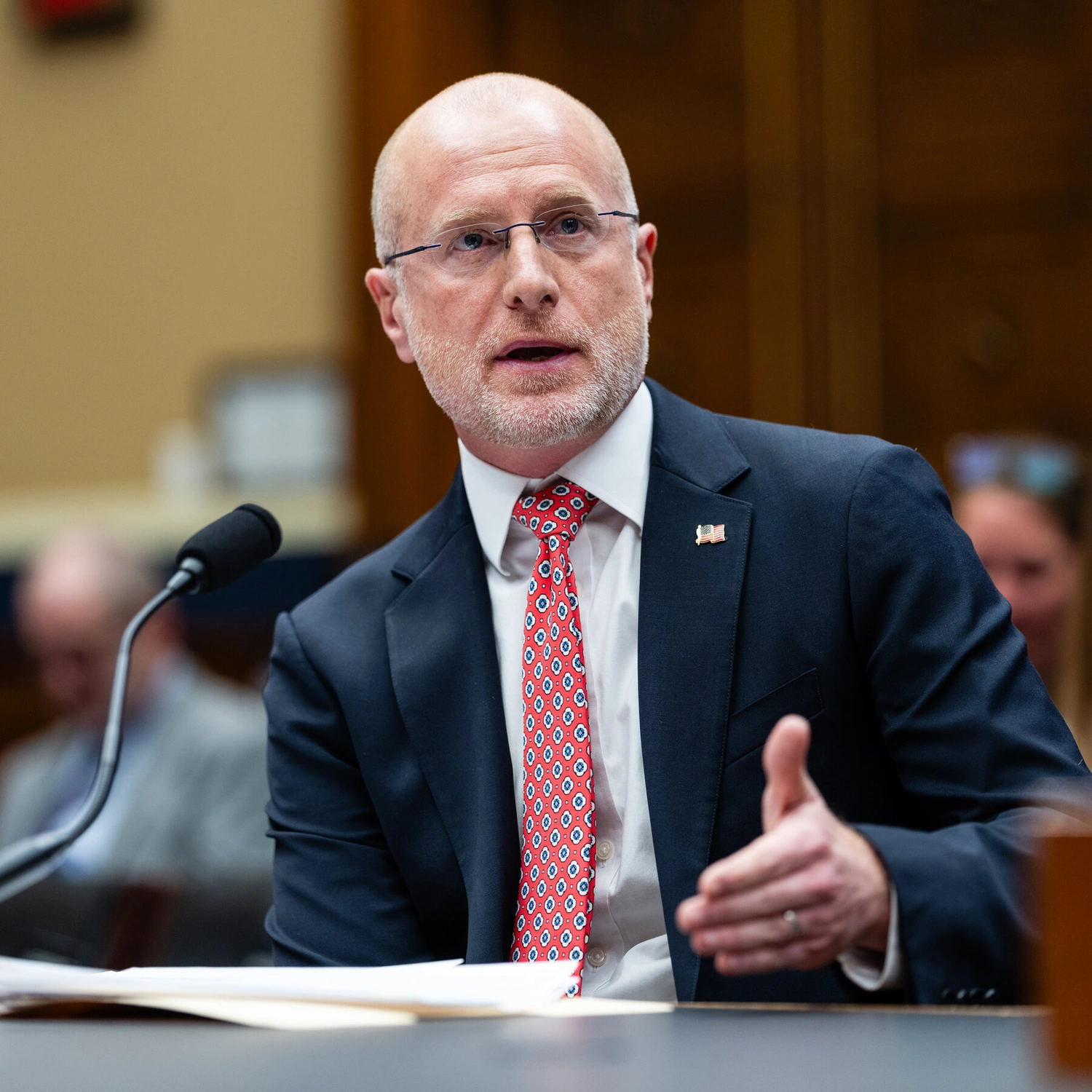
Washington — The debate over broadcast freedom and national security intensified this weekend as FCC chair Brendan Carr warned that broadcasters could lose licenses if their Iran war coverage is deemed deceptive. In a post on X, Carr argued that broadcasters, “must operate in the public interest,” and that those airing hoaxes or distortions could face license renewals being denied. The warning signals a potential shift in how regulators think about accuracy during a time of international conflict.
Senator Ron Johnson of Wisconsin pushed back on Sunday, saying he supports the First Amendment and does not want government meddling in private enterprise or speech. "I’m in big support of the first amendment," he said. "I do not like the heavy hand of government, no matter who’s wielding it. So no, I would rather the federal government stay out of the private sector as much as possible."
Democrats quickly criticized the threat. Senator Elizabeth Warren called it illegal to censor free speech about the Iran war, and Senator Chris Murphy posted that the moment was extraordinary, warning that the country could be nearing “a totalitarian takeover.”
California Governor Gavin Newsom described Carr’s comments as flagrantly unconstitutional, highlighting the deep concern over regulatory overreach. Carr later doubled down on the threat in a CBS News interview, insisting broadcasters should correct course or risk license action.
Amid the online backlash, supporters and critics debated the balance between press freedom and accountability, while political headlines noted President Trump’s posts criticizing the media’s coverage of Iran. The episode underscores a broader debate about the government’s role in regulating information during war and whether licensing power can be used as a lever on misinformation without chilling legitimate reporting.
As the discourse continues, the question remains: how far should regulators go to ensure accuracy while protecting constitutional rights during times of international tension?
