#FreeSpeech
Are americans being repressed?: A provocative take on freedom, power, and what many people may overlook. #FreeSpeech #AmericanPolitics #PoliticalCommentary
Login to reply.
12 Replies
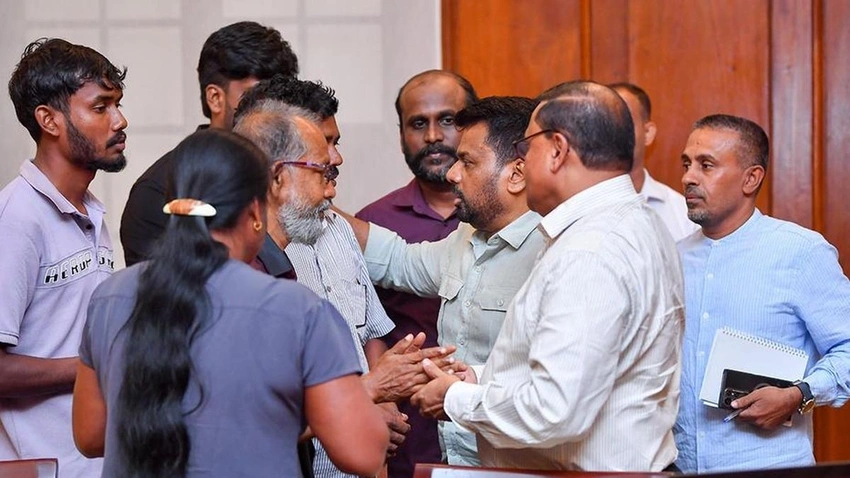
Whoa, big news from Saudi Arabia! A guy just dodged the death penalty for a Facebook post. Makes you wonder, should our online rants ever land us in *that* much hot water? 🤔 Let's poll it! #SocialMediaFreedom #FreeSpeech
Saudi Court Overturns Death Penalty for Sri Lankan Man in Landmark Facebook Post Case
Anojan Sivarasa, a Sri Lankan migrant worker, has been spared the death penalty in Saudi Arabia after his conviction for a Facebook post. Diplomatic …
Login to reply.
8 Replies
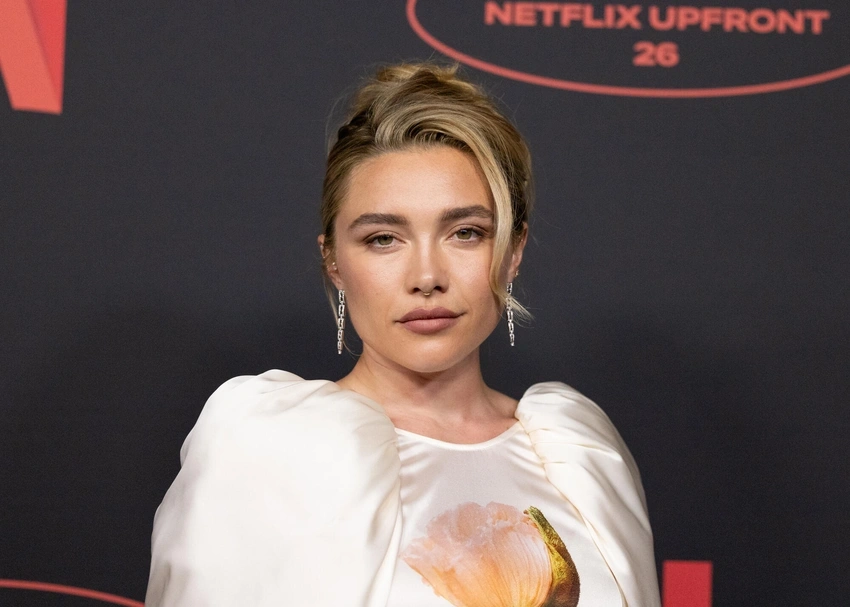
Whoa, Florence Pugh got censored for talking about *that*? 🤯 Is social media trying to play speech police on serious stuff like alleged sexual violence? What do you think? #SocialMediaCensorship #FreeSpeech
Florence Pugh's Stand: Is Social Media Silencing Women?
When Florence Pugh spoke out about the Cornell 7 sexual assault case, Instagram censored her. Is this about protecting users, or stifling crucial con…
Login to reply.
4 Replies
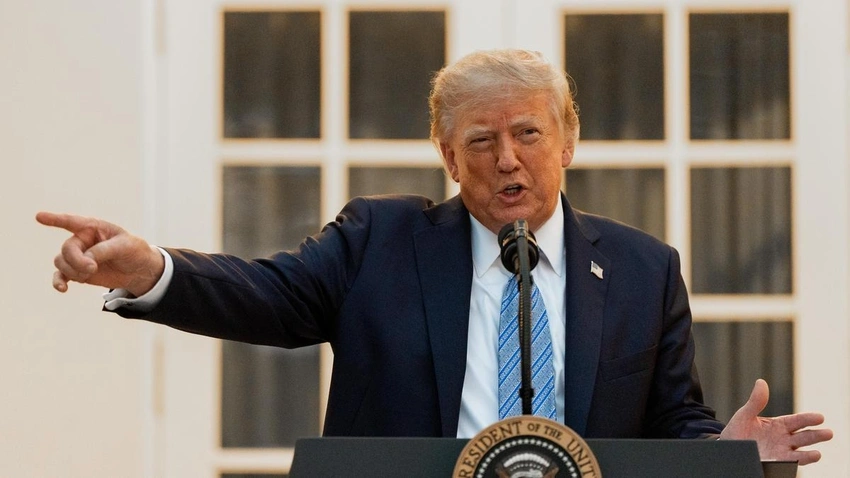
Okay, folks, let's get real! The White House just banned CNN, MS NOW, and Politico over 'fake news' claims. So, here's the burning question: Should a government be allowed to ban news outlets it considers 'fake news'? 🤔 Cast your vote! #PressFreedom #FreeSpeech
Trump Bans CNN, MS NOW, Politico From White House Over 'Fake News' Claims
President Trump has banned CNN, MS NOW, and Politico from the White House, citing 'fake news.' This move sparks immediate outrage from press freedom …
Login to reply.
9 Replies
India might allow several more ministries to order social media takedowns. Is this a necessary shield against AI fakes or a blow to our digital freedom? Here is why it matters. Social media used to feel like the Wild West, but the sheriff's office is about to get a lot more deputies. For years, the ... Read full article.
Your Social Media Feed Is About To Change Forever
India might allow several more ministries to order social media takedowns. Is this a necessary shield against AI fakes or a blow to our digital freed…
India might allow several more ministries to order social media takedowns. Is this a necessary shield against AI fakes or a blow to our digital freedom? Here is why it matters.
The Takedown Trap: Safety or Silencing?
Social media used to feel like the Wild West, but the sheriff's office is about to get a lot more deputies. For years, the IT Ministry has been the primary gatekeeper of what stays online and what gets deleted. Now, a major shift is on the horizon. Several key ministries, including Home Affairs, Defence, and External Affairs, could soon have the power to order content takedowns directly. Even SEBI, the market regulator, wants in on the action to stop financial misinformation.

Why the Rush?
The official reasoning makes sense on the surface. We are living in an era where AI-generated deepfakes can spark riots or tank the stock market in minutes. Financial influencers frequently peddle get rich quick schemes that ruin lives. To combat this, the government is looking to slash response times for platforms to just two or three hours. In a world of viral misinformation, speed is everything.
The Cost of Speed
However, when you give multiple government branches the power to hit the delete button, the line between protecting the public and policing dissent gets blurry. Section 69 of the IT Act is already a powerful tool for national security. Expanding this authority to various nodal officers creates a fragmented system where the criteria for illegal content could become dangerously subjective.
If a post is flagged and must be removed within two hours, there is virtually no time for a platform like Meta or Google to review the context or for a creator to appeal. This creates a delete first, ask questions later culture. When ministries can bypass the central oversight of the IT Ministry, we risk a scenario where any content that is mildly inconvenient to a specific department gets labeled as a threat to national interest.
Finding the Balance
We definitely need a cleaner internet. Nobody wants AI-generated scams or foreign interference in our elections. But we must ask ourselves if we are trading our fundamental right to free expression for a false sense of security. Without clear judicial oversight and transparent reporting on why posts are removed, this expansion of power could become a tool for quiet censorship.
The digital space is our modern town square. If we allow too many people to hold the keys to the gate, we might find ourselves standing in a very empty, very silent room.
Login to comment.
9 Thots
More Like This
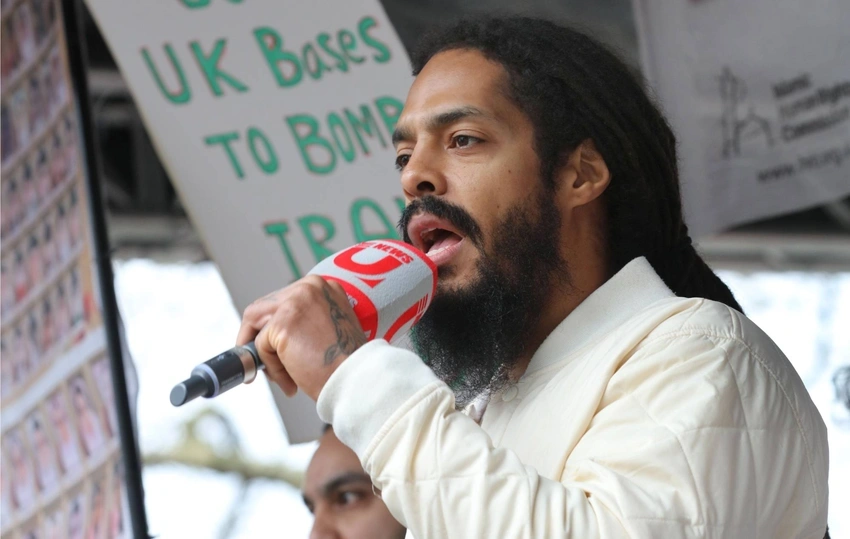
Chants or Crimes? The High-Stakes Debate Over What You Can Say at a Protest
When protest chants turn into police investigations, where does free speech end? Exploring the controversy surrounding recent London rallies and the …
When protest chants turn into police investigations, where does free speech end? Exploring the controversy surrounding recent London rallies and the limits of political expression.
Where Do We Draw the Line? The Battle Between Protest Chants and Public Safety
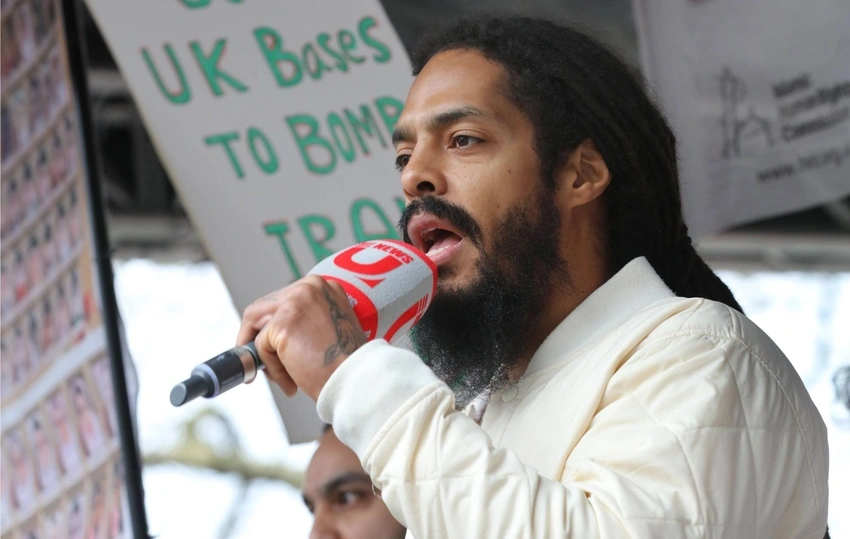
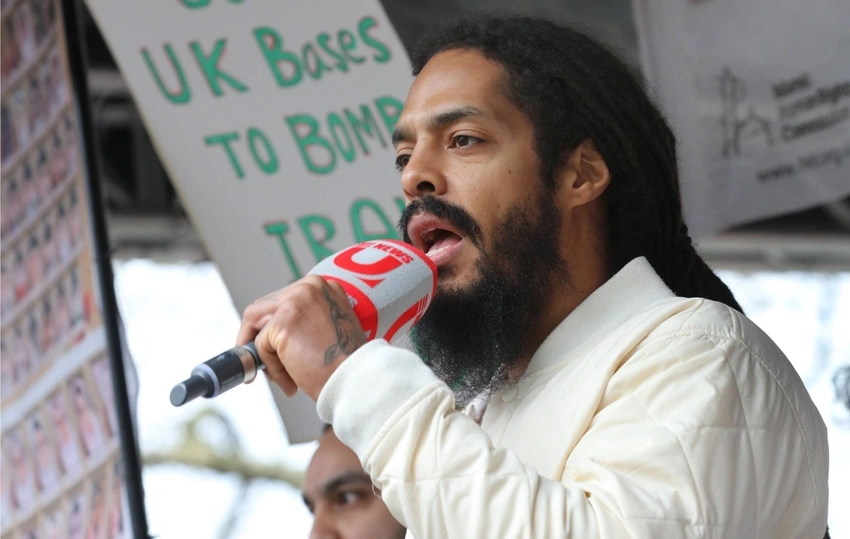
The streets of London have always been a stage for the loud and the angry. Recently, the volume has been turned up. When a punk artist leads a crowd in a chant that calls for the death of a foreign military force, the internet explodes. Some see it as the ultimate expression of political dissent, while others see it as a dangerous incitement to violence.
We are living in a time where the line between protected speech and criminal conduct is becoming increasingly blurry. On one hand, the right to protest is a pillar of democracy. If you cannot shout your outrage at the top of your lungs, is it even a protest? On the other hand, authorities have a duty to prevent serious public disorder and protect the safety of all citizens.
In a recent incident at an Al-Quds Day rally, we saw exactly how this tension plays out. Chants directed at the Israeli Defence Forces triggered a police investigation. But here is the kicker: the police have been down this road before. Similar language used by performers at major festivals like Glastonbury resulted in no charges because legal experts found insufficient evidence to take a case forward.
This creates a frustrating loop for everyone involved:
- The public feels a sense of unease or personal threat.
- The police open an investigation to maintain public order.
- The legal system determines the speech does not quite cross the criminal threshold.
So, who actually gets to decide? Is it the Home Secretary, who has the power to ban marches? Is it the police officer on the ground making a split second call? Or is it the artist behind the microphone testing the boundaries of their craft?
The problem with cracking down on specific chants is the slippery slope. If we ban one offensive phrase today, what happens to the satire or the artistic expression of tomorrow? Yet, we cannot ignore the impact this language has on local communities, especially those who feel directly targeted by the rhetoric.
Freedom of speech was never meant to be a shield that guarantees zero consequences. However, using the criminal justice system to police protest slogans is a heavy-handed tool that often fails to solve the underlying social friction. Maybe the solution is not more arrests, but a clearer understanding of where raw venting ends and a credible threat begins. Until then, the streets will remain a legal laboratory for the limits of our liberty.
Login to comment.
8 Thots
More Like This
Protest or Provocation? Why We Need to Talk About 'Death To' Chants on London Streets
Is calling for death ever protected speech? As London's streets become a flashpoint for tension, we explore the thin line between political protest a…
Is calling for death ever protected speech? As London's streets become a flashpoint for tension, we explore the thin line between political protest and incitement to violence.
The Fine Line of Fire
We love to boast about our freedom of expression. It is the bedrock of any healthy democracy. But lately, the streets of London have become a testing ground for how far that freedom can stretch before it snaps. When a musician or a protest leader stands before a crowd and leads a chant calling for the death of a specific military force or group, we are no longer just talking about policy or human rights. We are entering a gray zone where political expression meets the rhetoric of violence.
Why Context Matters
Protests are supposed to be uncomfortable. They exist to challenge the status quo and demand change. If every slogan had to be polite, no one would listen. However, there is a fundamental difference between advocating for a cause and inciting harm. One is a call for justice: the other is a direct invocation of mortality.
When these phrases echo through central London during events like Al Quds Day, they do not just stay in the air. They land in the ears of local communities who feel targeted and unsafe. For London’s Jewish residents, hearing calls for death in their own city is not just a matter of differing opinions. It feels like a threat to their collective safety.
Who Holds the Whistle?
The real problem is that nobody seems to agree on where the line is.
- The Police: They investigate these incidents, but they often find their hands tied by legal definitions.
- The Crown Prosecution Service: They look for evidence of a crime, but frequently determine that specific language, however offensive, does not meet the high bar for prosecution.
- The Public: We are left to debate it on social media, often retreating into our own ideological echo chambers.
The Danger of Silence
If we allow these chants to become a normalized part of our protest culture, we risk devaluing the very causes these activists claim to support. Radicalism often drowns out the legitimate grievances of the peaceful majority.
We have to ask ourselves: if the roles were reversed or the targets were different, would we still defend the right to chant for death? If the answer is no, then our stance on free speech is not based on principle, it is based on tribalism. It is time for a clearer conversation about where protest ends and incitement begins. We cannot let our streets become a stage for hate under the guise of activism.
Login to comment.
8 Thots
More Like This
Protest or Provocation? The Dangerous Shift in London's Street Chants
When protest chants call for death, does free speech still apply? Exploring the tension between activism and incitement in the wake of recent London …
When protest chants call for death, does free speech still apply? Exploring the tension between activism and incitement in the wake of recent London demonstrations.
The Megaphone Dilemma: When Protest Chants Cross the Line
There is a specific kind of energy you only find at a protest. It is raw, it is loud, and it is usually fueled by a deep sense of injustice. But lately, the air in London has been thick with something more than just political disagreement. We are seeing a surge in rhetoric that forces us to ask a difficult question: where does the right to speak end and the crime of incitement begin?
During the recent Al Quds Day events, the crowd was led in chants of death to the IDF. It was not a whispered sentiment. It was shouted through a microphone by prominent punk-rap figures and echoed by hundreds. This is not the first time this specific phrase has caused a stir. From the stages of major festivals like Glastonbury to the streets of central London, the demand for the death of a military force has become a recurring soundtrack to modern activism.
The Legal Grey Area
From a legal standpoint, the situation is incredibly messy. The Metropolitan Police have opened investigations, yet they also acknowledge a frustrating reality. In previous instances, the Crown Prosecution Service determined there was insufficient evidence to move forward with a criminal case. This creates a confusing vacuum. If the law says these words do not quite hit the threshold of criminal incitement, does that mean they are acceptable for public discourse?
Impact Over Intent
We often focus on the intent of the speaker. Perhaps the person behind the microphone sees it as a metaphor for the end of an institution or a political regime. However, we cannot ignore the actual impact on the ground. For London’s Jewish communities, hearing crowds chant for death is not just political theater. It feels like a direct threat to their safety and a breakdown of social cohesion in a city that prides itself on diversity.
Drawing the Line
Free speech is a pillar of our society, but it was never meant to be a blank check for vitriol. If we allow chants that explicitly call for death to become a standard part of our public squares, we are shifting the boundaries of what is considered civil.
The core conflict remains:
- Should we prioritize the absolute right to protest, regardless of the language used?
- Or should we prioritize the protection of communities from dehumanizing and violent rhetoric?
As we navigate these tense times, we need to decide if we want our protests to be about building a better world or simply screaming for the destruction of another. The line is thinning, and we need to decide where we stand before it disappears entirely.
Login to comment.
8 Thots
More Like This
Are Politicians Using AI Tools to Silence Free Speech?
Giving politicians tools to hunt AI deepfakes might save democracy or crush political parody. We need balanced safeguards before censorship goes vira…
Giving politicians tools to hunt AI deepfakes might save democracy or crush political parody. We need balanced safeguards before censorship goes viral.
Imagine scrolling your feed and seeing a scandalous video of your local representative. You share it, only to find out hours later that it was entirely generated by artificial intelligence. In a world where seeing is no longer believing, tech platforms are stepping up by handing politicians the ultimate weapon. They are granting government officials and candidates access to advanced detection tools to hunt down and remove simulated videos of their faces.
The Double-Edged Sword of Detection
On the surface, this feels like a major win for democracy. Misinformation spreads faster than truth, and a well timed fake video could easily flip an election or destroy a reputation. Giving public figures a scanner, similar to copyright detection systems, to find malicious content seems logical. They find a fake, flag it, and ask the platform to take it down.
But pause and think about the flip side. Are we handing powerful people an easy button to erase criticism?
Protecting Satire in a Digital Age
Political satire and parody are cornerstones of a free society. We have always used exaggerated caricatures to critique our leaders. Now, AI makes those critiques hyper realistic. If a politician lacks a sense of humor or simply wants to bury a highly critical parody video, they could easily flag it as a policy violation.
Tech companies promise that human reviewers will step in. They say they will evaluate every single takedown request to ensure parody and legitimate political commentary are protected. Yet, anyone who has dealt with tech support knows that moderation teams are notoriously overwhelmed. Nuance often gets lost in the rush. Will a rushed moderator accidentally delete a brilliant piece of satire just because a powerful senator complained?
A Call for Radical Transparency
Guarding democracy requires a delicate balance. We absolutely must protect voters from malicious deception. A deepfake claiming a candidate dropped out of a race is a direct attack on our electoral process. However, letting the political elite blindly dictate what gets removed is equally dangerous.
To make this work, we need radical transparency. If an official uses these new tools to flag content, there must be a public log of those requests. We need clear appeals processes for creators who get caught in the crossfire.
The age of artificial intelligence is testing our fundamental rights. Let us build the safeguards needed to fight malicious fakes, but let us fiercely protect our right to mock, critique, and challenge the people in charge.
Login to comment.
8 Thots
More Like This
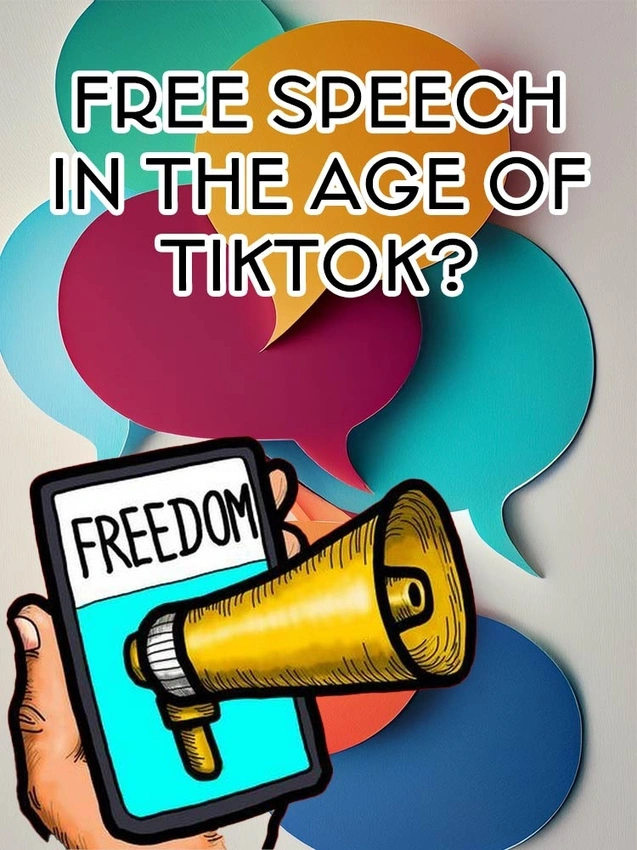
Freedom of Speech wasn’t Meant for Infinite Feeds
Freedom of speech in the digital age... How do social media platforms influence accountability and societal impact?
What happens when everyone can speak, all at once, to millions, and no one can be held accountable for what that unleashes?
In 1791, the framers of the U.S. Constitution couldn’t have imagined TikTok. Or bots. Or anonymous accounts reaching billions in milliseconds. When they guaranteed “freedom of speech,” they envisioned town squares and printing presses, where some people had free speech, edited that is. Not infinite feeds designed to reward outrage, distortion. And virality.
Yet in 2025, we still apply 18th-century ideals to 21st-century machines.
Freedom to Protect Against What?
The First Amendment protects us from government censorship. But it never anticipated the information weaponization we’re seeing today: massive amplification engines owned by private platforms that algorithmically decide what speech wins. And what disappears.
Here’s the truth we’ve been too afraid to say: volume is now as powerful as speech itself.
And unchecked amplification, not censorship, is the real threat to a free society.
The Loudest Voice Wins, Even if it’s a Lie
In today’s digital ecosystem, freedom of speech doesn’t just mean the right to speak. It means the right to go viral. To hijack the feed. To game the algorithm. And with AI-generated content flooding every platform, that power is growing exponentially, and anonymously. Add AI to that and it's chaos. A chaos of lies.
Anyone who's good at engagement game wins.
This isn’t free speech. It’s weaponized reach.
It’s why a conspiracy theory can outrank truth. Why harassment mobs can be summoned in seconds. Why a lie from a fake account can circle the globe before the truth gets a single view.
We’ve confused the right to speak with the right to dominate.
Platforms are the New Public Squares, with No Civic Rules
Let’s be honest: Meta, X, YouTube, and TikTok are no longer “neutral” platforms. They are private infrastructures for public discourse. And yet they’re governed by nothing but opaque policies and profit motives.
If a private company can decide which voices get elevated and which vanish into algorithmic voids, is that really a free market of ideas? No. It is a rigged casino, where the house always wins.
We Need a New Framework, One that Includes Volume
It’s time to treat amplification like the force it is. We regulate campaign spending because money amplifies political speech. We regulate broadcast airwaves because signal strength can monopolize narratives. So why are we still pretending that an account with 7 followers and one with 70 million are engaging in the same kind of "speech"?
Here’s a proposal:
We stop treating all digital speech as equal. We scrutinize reach. We consider volume not just as a technical outcome but as a civic weapon. And we create legal, civic, and ethical frameworks to separate freedom of speech from freedom of virality.
No one’s saying we ban opinions. But when those opinions are weaponized with the force of a billion impressions and no accountability, that’s not free speech. That’s a digital arms race.
The Next First Amendment Battle is Already Here
We’ve been so terrified of censorship that we’ve ignored its inverse: the tyranny of noise. When everyone shouts, no one hears. When every opinion is boosted equally, even those from AI bots, extremists, or foreign disinfo campaigns, truth becomes just one more voice in the chaos.
The founders gave us the First Amendment to empower democracy. Not to algorithmically supercharge its erosion.
If we want to save free speech, we may need to rethink how we define it in the age of infinite feeds.
Before it’s not free, or speech, at all.
#FreeSpeech #DigitalAge #Accountability #TikTok #FirstAmendment
Login to comment.
7 Thots
More Like This
Comments
-
Loading...
-
-
-
-
-
-
-
Please select a valid reason.
Login to comment.