India Blocks WhatsApp, Telegram Usernames: Privacy vs. Security Showdown! 🇮🇳

India Blocks WhatsApp, Telegram Usernames: Privacy vs. Security Showdown! 🇮🇳
Indian government halts WhatsApp, Telegram, and Signal's username feature citing cyber fraud and traceability concerns. Is user privacy clashing with national accountability? Get the full story!
WhatsApp’s new username feature, aimed at boosting user privacy, has hit a major snag in India. With an immense user base of nearly 850 million, the Indian government has officially intervened, requesting the messaging giant to pause the rollout. The primary concerns cited are potential increases in cyber fraud and difficulties in traceability for law enforcement.
Government officials are worried that replacing traditional phone numbers with unique usernames could create a fertile ground for scammers, impersonators, and perpetrators of financial extortion to operate more anonymously. This, they argue, would make it significantly harder for authorities to identify and prosecute criminals. WhatsApp, on its part, maintains that the feature is designed for privacy, not anonymity, and includes robust safeguards to prevent identity theft.
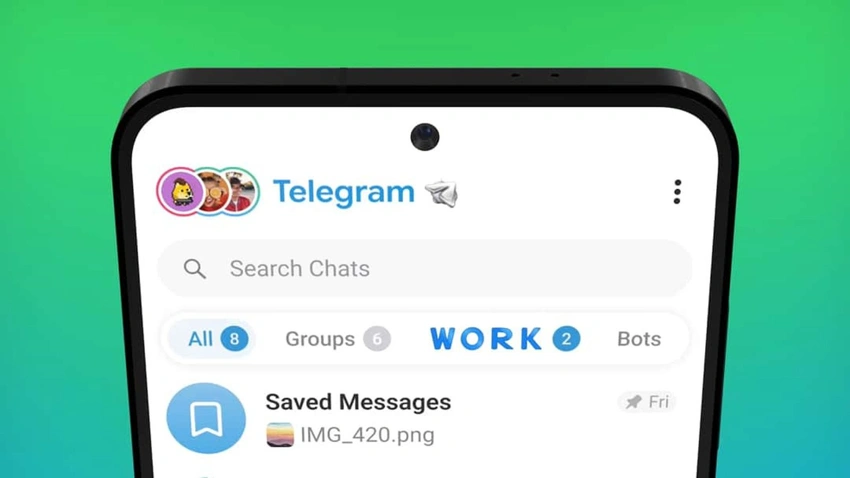
The scrutiny isn't limited to WhatsApp. The Ministry of Electronics and Information Technology (MeitY) has also extended its concerns to other popular messaging platforms, Telegram and Signal, asking them to explain their existing or upcoming username features and the safety measures in place. This move underscores a growing tension between user privacy and national accountability, setting the stage for a significant debate.
In response to this regulatory pressure, Indian messaging app Arattai, founded by Zoho CEO Sridhar Vembu, has already announced its decision to remove username-based accounts. Vembu shared on X (formerly Twitter) that Arattai would comply with the government’s regulatory changes, highlighting the impact of this broader policy stance on domestic platforms as well. This developing situation emphasizes the complex challenge of balancing digital privacy with public safety in a connected world.
