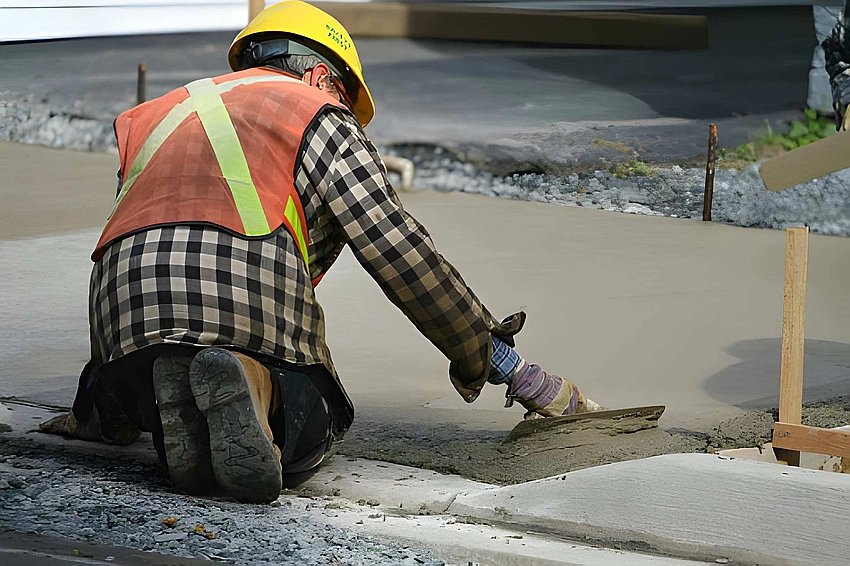
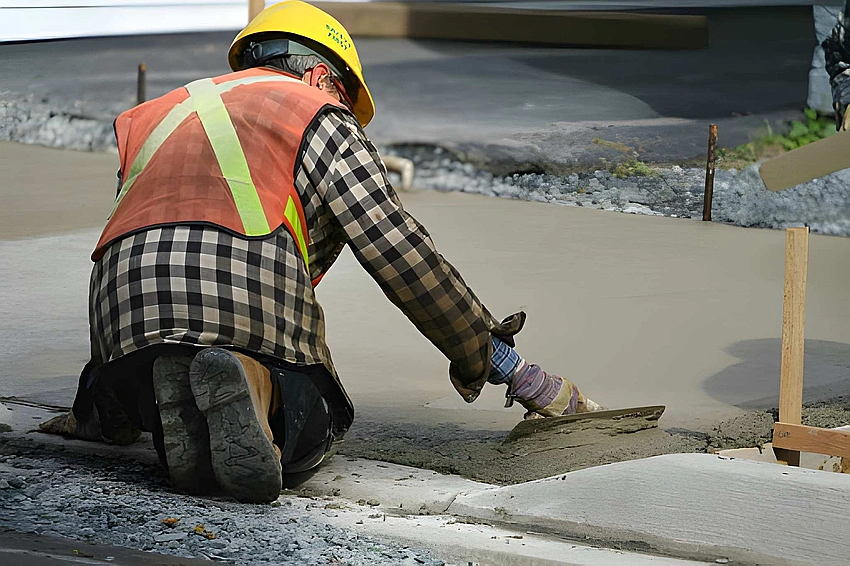
Staten Island, with its blend of suburban tranquility, historic architecture, and bustling commercial corridors like those near the ferry terminal, presents unique challenges for property owners. While often celebrated for its green spaces, its sidewalks—the very pathways connecting its communities—are constantly subjected to the elements, heavy vehicles, and the tenacious growth of mature street trees.
If you own property in the borough, a cracked, raised, or sunken sidewalk is more than a neighborhood eyesore; it’s a critical legal and financial liability. Under the strict enforcement of NYC Administrative Code § 7-210, property owners are almost universally responsible for the maintenance and repair of the sidewalk adjoining their land. Neglecting this duty can quickly escalate a simple crack into a costly DOT violation or, worse, a devastating pedestrian injury lawsuit.
This in-depth, E-E-A-T compliant guide provides Staten Island property owners with the necessary expertise, practical knowledge, and cost-effective strategies to secure reliable, concrete sidewalk repair Staten Island 🔗 services. We will detail what makes a repair "durable," how to comply with specific NYC DOT standards, and how to effectively achieve that all-important DOT violation dismissal.
🚨 Decoding the DOT: What Causes Violations in Staten Island?
The NYC DOT issues a Notice of Violation (NOV) when a sidewalk defect poses a threat to public safety. Understanding these critical standards is the cornerstone of any successful repair plan. Staten Island's geography, with its mix of soil types and older residential areas, makes it particularly susceptible to specific types of damage.
The Four Major Hazards the DOT Looks For
Vertical Displacement (Trip Hazards): This is the #1 cause of pedestrian falls. A violation is issued when adjacent concrete slabs have a height difference of $1/2$ inch or more. This often occurs due to freeze-thaw cycles, soil erosion, or tree root upheaval.
Cracked or Broken Slabs: The DOT considers cracks that are $1/4$ inch wide or more, or excessive fracturing where pieces are loose or missing, to be a hazard.
Undermining: This refers to voids or hollow spaces beneath the concrete flags, usually caused by poor drainage washing away the supporting soil (sub-base). Undermined flags can shift or collapse unexpectedly.
Improper Slope and Drainage: Standing water on a sidewalk not only accelerates deterioration but creates a severe slip hazard, especially in winter. Sidewalks must be graded to drain properly toward the curb.
For homeowners near areas with high clay content in the soil, like portions of the island, the cyclical shrinking and swelling of the ground with moisture changes can put immense stress on the concrete, leading to rapid cracking and unevenness. A durable repair must account for this sub-base instability.
🌳 The Tree Root Dilemma: Staten Island's Unique Challenge
Staten Island has one of the highest concentrations of mature street trees in the city. While beautiful, their extensive root systems are a primary culprit behind sidewalk displacement.
Addressing Tree Root Damage Compliantly
The good news is that for owner-occupied, 1-, 2-, or 3-family residential properties, the City may be responsible for sidewalk damage caused exclusively by City-owned trees. However, if you are a commercial property owner or the damage is caused by a private tree, the responsibility for repair falls squarely on you.
When performing concrete sidewalk repair Staten Island near a tree:
Permit is Mandatory: Any work disturbing tree roots requires a separate Tree Work Permit from the NYC Parks Department. A professional contractor will manage this process.
Mitigation, Not Maiming: Expert contractors do not simply cut large, structural roots. They use compliant techniques like:
Careful, minimal root pruning as approved by Parks.
Installing root-friendly construction, such as ramping the sidewalk slightly over the root crown or expanding the tree pit, which prevents future root damage while maintaining the walkway's levelness and safety.
A proper, professional repair ensures that you address the immediate violation without permanently harming the tree or inviting a future violation in the same spot. This focus on longevity and compliance is what separates a truly durable solution from a temporary fix.
🛠️ The Anatomy of a Durable and Affordable Repair
"Affordable" in this context means minimizing long-term costs by eliminating the risk of future fines, lawsuits, and expensive re-dos. This requires a professional methodology that adheres to the strictest NYC standards.
1. Pre-Repair Compliance & Permitting
No work should begin without the proper authorization. A licensed contractor will:
Obtain the Permit: Secure the mandatory Sidewalk Construction Permit from the NYC DOT, which generally costs around $70 for 300 linear feet of repair.
Violation Scope: Clearly identify and photograph the flags marked in the DOT Preliminary Inspection Report (PIR). This documentation is crucial for the final dismissal request.
2. The Foundation of Durability: Sub-Base Preparation
The longevity of a sidewalk is determined by the preparation beneath it. The steps for durability include:
Excavation and Debris Removal: Old, cracked concrete must be completely removed, and all debris must be legally hauled away.
Grading and Stabilization: The underlying soil must be properly graded to ensure water drains away from the sub-base, preventing erosion. A new layer of crushed stone (gravel) is laid down and mechanically compacted. This compaction is vital to prevent the new concrete flags from settling and cracking.
3. Materials and Installation Excellence
Concrete Strength: While standard residential concrete is around 3,000 PSI, a reputable contractor will often use a mix of 3,500 PSI or higher for greater durability, especially in areas with heavier traffic or known ground instability.
Thickness: All new sidewalk flags must be at least 4 inches thick (7 inches for driveways or heavy vehicular access areas) to meet DOT specifications.
Joints and Spacing: Expansion and control joints must be correctly placed to manage thermal expansion and ground movement. The standard flag size is typically $5 \times 5$ feet where feasible.
4. The Goal: Violation Dismissal
Once the work is complete, the contractor must file a request for a DOT Dismissal Inspection. If the repair meets all codes and standards (which a licensed, experienced professional guarantees), the DOT officially removes the violation from the property record. This prevents the City from performing the work and billing the owner at inflated rates, thus making the private repair the truly "affordable" solution.
💲 Cost Factors and Value: Investing in Concrete Sidewalk Repair Staten Island
The cost of repair in Staten Island, like the other boroughs, is generally calculated on a per-square-foot basis for replacement, with an average range of $15 to $25 per square foot for a compliant, professional replacement.
The Value Proposition: Private Repair vs. City Lien
The true value of a private, licensed repair lies in avoiding the much higher costs associated with City intervention and legal liability:
Licensed Private Contractor: While the initial cost may be in the range of $$$1,500 to $$$3,500 for an average residential job, the long-term financial impact is low risk. You gain guaranteed compliance and DOT dismissal, avoiding costly liens and liability lawsuits.
City-Performed Repair (After Deadline): The cost can often be 50% to 100% higher than private rates, and this bill becomes a tax lien on the property, complicating sale or refinancing.
DIY/Unlicensed Contractor: Although the initial quote may be the lowest, the risk is extremely high. The work often fails the dismissal inspection, requiring a full, costly re-do by a licensed professional, plus potential DOT fines for unauthorized work.
🏘️ Case Study: South Shore Residential Owner
A homeowner in the South Shore area of Staten Island received a DOT violation specifically marking a flag that was cracked and sunk by $1$ inch near a large oak tree.
The Problem: The owner was worried about the cost and the potential damage to the beloved tree.
Professional Intervention: They contacted NYC Sidewalk Repair 🔗, a firm with extensive experience in the borough's unique challenges.
Permit & Planning: Secured both the Sidewalk Construction Permit and the necessary NYC Parks Tree Work Permit.
Execution: The contractor carefully removed the defective flag. Instead of aggressively cutting the root, they used a specialized technique to slightly ramp the new concrete over the root crown and reinforced the area with wire mesh to handle future expansion pressure, ensuring the new surface remained level and compliant.
Result: The repair was durable, the tree was preserved, and the DOT inspector cleared the violation immediately. The owner averted a multi-thousand-dollar lien and secured the property against trip-and-fall liability.
This example illustrates that genuine affordability comes from durability and compliance—doing the job correctly the first time to eliminate long-term financial exposure.
❓ Critical FAQs for Staten Island Property Owners
Q1: Is the City responsible for sidewalk damage caused by snow plows?
A: While snow plows can certainly cause damage, the City typically claims immunity for such damage if the sidewalk was already in disrepair. Your primary legal obligation under § 7-210 is to maintain the sidewalk. If damage occurs, you are generally responsible for the concrete sidewalk repair Staten Island to restore it to a safe, compliant condition.
Q2: How long do I have to complete the repair after receiving a DOT violation?
A: Generally, you have 75 days from the date the Notice of Violation (NOV) was issued to complete the necessary repairs and request the dismissal inspection. For emergency hazards deemed immediately dangerous, this deadline can be reduced to as little as 10 days. Failure to meet these deadlines empowers the DOT to contract the work and bill you.
Q3: If my contractor handles a repair in Staten Island, does that help property owners dealing with issues in the concrete sidewalk repair brooklyn or concrete sidewalk repair bronx areas?
A: Yes, absolutely. The NYC DOT regulations and compliance codes (e.g., $1/2$ inch trip hazard, 4-inch minimum slab thickness, permit requirements) are uniform across all five boroughs. An expert contractor who successfully navigates the complex permitting and compliance process in Staten Island has the identical, necessary expertise to perform high-quality, violation-dismissing work in concrete sidewalk repair bronx 🔗 🔗or concrete sidewalk repair brooklyn 🔗. Their experience is transferable throughout the city.
✅ Conclusion: Securing Your Investment Today
Your sidewalk is your property’s frontline—a critical buffer against liability and a key contributor to curb appeal. For Staten Island property owners, achieving a durable and affordable repair means choosing a licensed expert who understands the unique sub-base conditions, the complexity of tree root mitigation, and the non-negotiable standards of the NYC DOT.
Don't let a minor crack become a major financial disaster. Acting promptly and professionally is the most prudent investment you can make in your property's safety and value.