US Revokes Iran Oil License, Strikes Launched; Prices Soar! ⛽️

US Revokes Iran Oil License, Strikes Launched; Prices Soar! ⛽️
Escalating tensions! The US cancels Iran's oil sales license and launches strikes, sending global oil prices surging. Get the full story on these critical geopolitical shifts.
The global energy market is currently navigating choppy waters following significant geopolitical developments involving the United States and Iran. On Tuesday, the U.S. government announced its decision to revoke Iran’s license to sell crude oil, a move that analysts predict will have substantial repercussions on international oil prices. This action coincides with reports of the U.S. launching air strikes, further intensifying tensions in the Middle East.
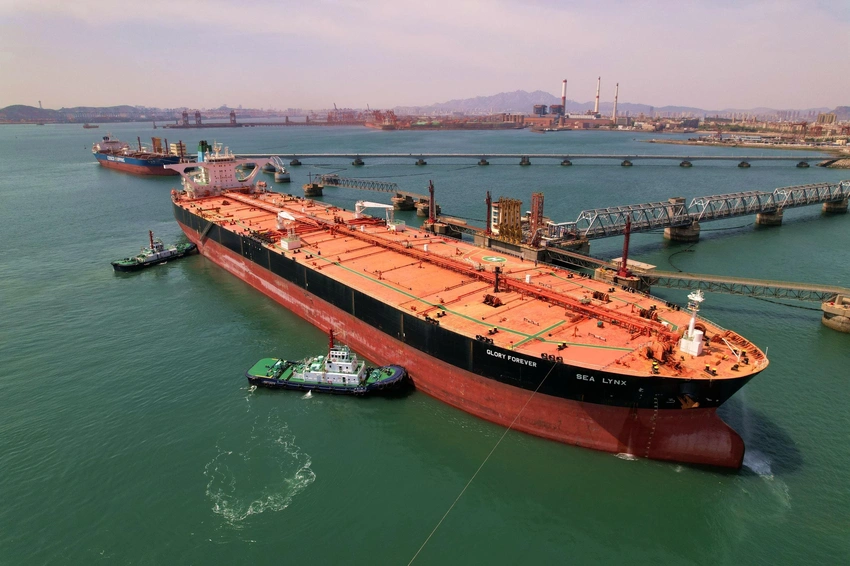
The cancellation of Iran’s oil sales authorization is a direct response to recent events, including what the U.S. has described as "tanker attacks," although specific details regarding these incidents have not yet been fully disclosed. This measure effectively cuts off a crucial revenue stream for Iran, which has historically relied heavily on oil exports to fuel its economy. The immediate impact was palpable in the markets, with crude oil prices seeing an upward surge on Tuesday, reflecting investor concerns about potential supply disruptions.
Experts are closely monitoring the situation, as the dual actions—revoking the oil license and initiating military strikes—signal a significant escalation in the ongoing standoff between the two nations. The cancellation of the sales license aims to further pressure Tehran by limiting its ability to engage in the global oil trade. Such a move is designed to diminish Iran's financial resources and its capacity to fund regional activities that the U.S. deems destabilizing.
The launch of air strikes adds a military dimension to the already strained diplomatic relations. While the targets and scale of these strikes are still being assessed, their occurrence alongside economic sanctions underscores a hardening stance from Washington. The ripple effects of these developments are not confined to the Middle East; global energy consumers and industries reliant on stable oil prices are now bracing for potential volatility.
The implications for the broader economy are considerable. Higher oil prices can translate to increased costs for transportation, manufacturing, and consumer goods, potentially impacting inflation and economic growth worldwide. As the situation unfolds, the international community will be watching closely for further statements from both Washington and Tehran, as well as for any signs of de-escalation or continued escalation. The immediate future of global oil markets remains uncertain, heavily influenced by the evolving geopolitical landscape.
