Israel Recognizes Somaliland as Independent State, Sparking Global Debate

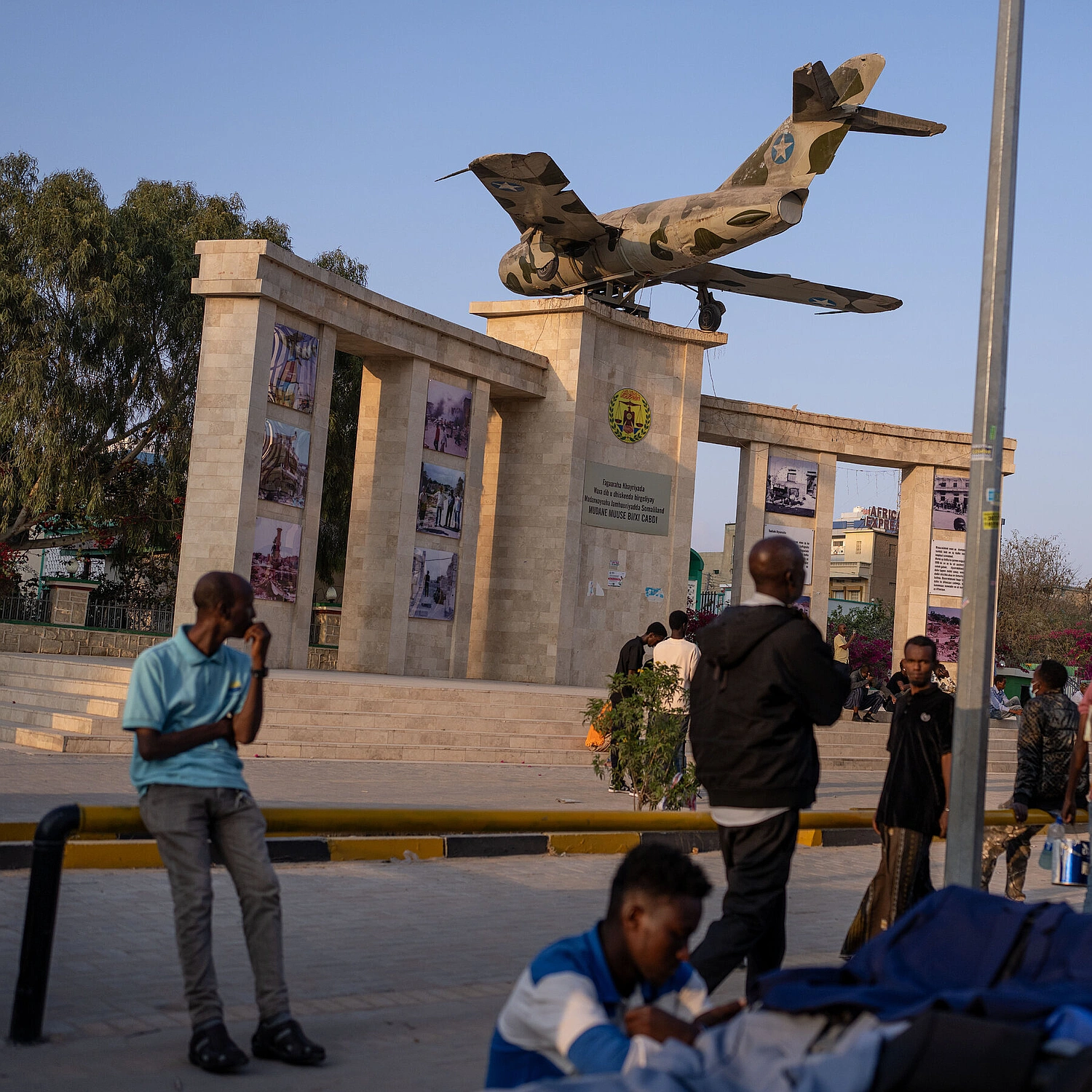
Israel Recognizes Somaliland as Independent State, Sparking Global Debate
Israel's recognition of Somaliland as sovereign draws swift condemnations but opens potential new diplomatic paths for both sides.
Israel announced it recognizes Somaliland as an independent sovereign state, a move described as a diplomatic breakthrough by some and a dangerous precedent by others. The decision has drawn swift condemnation from Somalia, Egypt, Turkey and Djibouti, who warn that unilateral moves could undermine stability and set a risky international law precedent. In a joint stance, Egypt’s foreign ministry said the four countries reaffirmed support for Somalia’s unity, sovereignty and territorial integrity, and warned against steps that could create “parallel entities” to Somalia’s state institutions, as well as any plans to displace Palestinians outside their homeland.
Somaliland, which declared independence from Somalia in 1991, has long sought international recognition to bolster its diplomatic and economic standing. Supporters of the move say formal recognition could unlock broader access to trade, security cooperation, and formal diplomatic channels, while Israel aims to deepen its ties across the Middle East and Africa as part of a broader regional realignment.
Analysts warn the decision might complicate Israel’s relations with Somalia and other Arab and Muslim-majority states, and could challenge established norms within international institutions and the United Nations Charter. The international community’s reaction remains mixed, with potential ripple effects for regional diplomacy, aid, and future negotiations involving Somalia’s territorial integrity.
Looking ahead, observers will watch for how Somaliland pursues further recognition and engagement, and whether other states weigh in on the precedent set by this move. For Somaliland, the potential gains in legitimacy and economic opportunity are balanced by a still-fragile regional consensus and the risk of renewed pushback from opponents of unilateral independence moves.
