The Playlist as Prayer: Decoding Gen Z's Post-Religious Search


The Playlist as Prayer: Decoding Gen Z's Post-Religious Search
Forget traditional faith. Gen Z is redefining spirituality, finding meaning in Spotify playlists, online communities, and social justice. Is this the future of human connection and purpose?
The Playlist as Prayer: Decoding Gen Z's Post-Religious Search
Ever felt a profound connection to a song, a moment of transcendence listening to a perfectly curated Spotify playlist? For many in Gen Z, that feeling might be the closest they get to a traditional religious experience. We're witnessing a fascinating shift: a generation moving beyond established religious institutions, yet still actively, often desperately, seeking meaning and belonging.
Is spirituality evolving, or are we just calling old needs by new names?
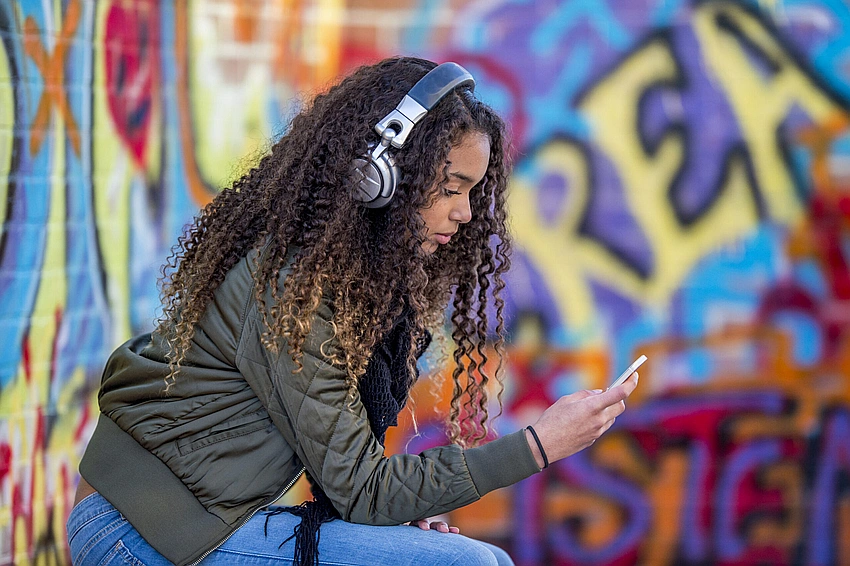
The New Sacred Spaces
For digitally native Gen Z, the sacred isn't confined to a church pew or temple hall.
It's in the quiet hum of a meditation app, the shared catharsis of a live-streamed concert, or the passionate solidarity of an online activist community. This isn't about rejecting the idea of something greater, but rather the rigid structures that historically contained it.
Personal meaning is prioritized over inherited dogma, and authenticity trumps tradition. It's a bespoke spirituality, curated and customized to individual needs, often reflecting a complex mosaic of beliefs and practices.
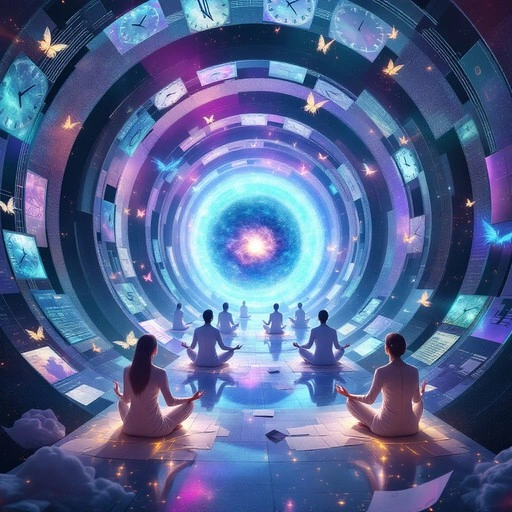
The Enduring Echo of the Sacred
Why do humans, across millennia and cultures, consistently seek something beyond the mundane? From ancient cave paintings to complex mythologies, our species has always grappled with big questions: 'Why are we here?' 'What's my purpose?' 'How do I cope with suffering?' Traditional religions provided frameworks for these inquiries, offering community, moral codes, and explanations for the unexplainable.
This innate human need for narrative, belonging, and a sense of cosmic order doesn't simply vanish with secularization. Instead, it re-emerges in new forms, seeking expression in the avenues available to a modern generation.
The search persists because the fundamental human condition-its joys, fears, and yearning for connection-remains unchanged.
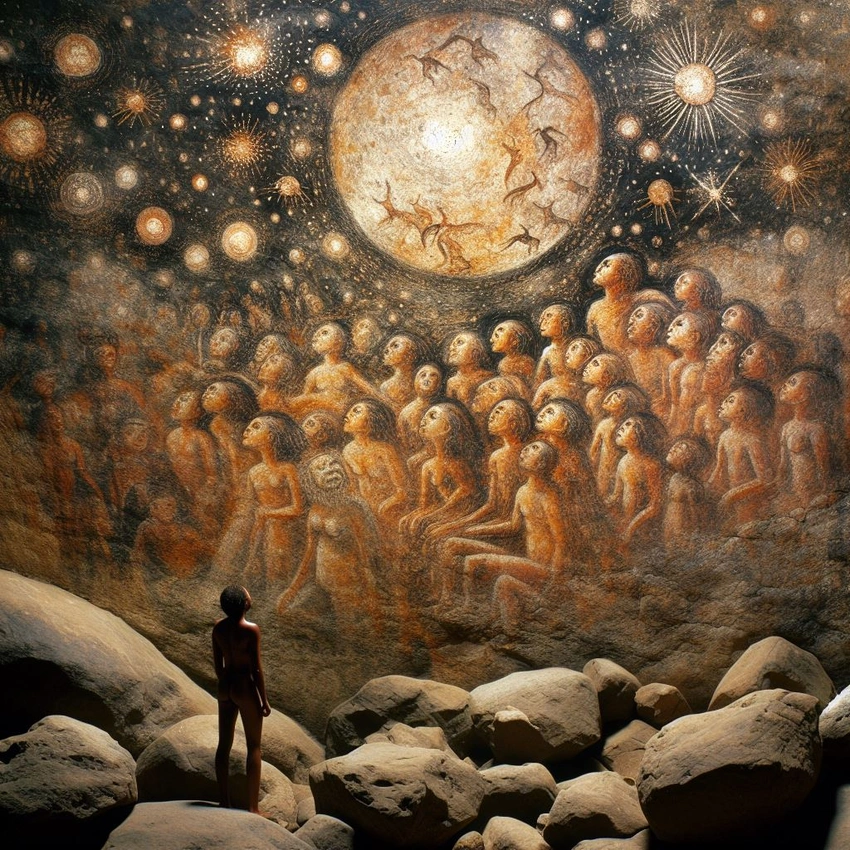
Crafting Your Own Divine Narrative
So, what defines this emerging Gen Z spirituality? It's fluid, experimental, and deeply personal. It often intertwines with social justice, environmentalism, and a quest for mental well-being.
There's a strong emphasis on doing good and feeling connected, rather than simply believing specific tenets. Many are drawn to practices like mindfulness, yoga, astrology, or secular humanism, blending them with a deep appreciation for nature and artistic expression. 'Authenticity over dogma is the driving force,' says one young searcher, encapsulating the sentiment of a generation keen on defining their own spiritual path.

What Does This Future Hold?
It's a testament to an enduring, evolving human need.
As traditional institutions wane, Gen Z is actively constructing new frameworks for meaning, community, and transcendence.
Whether found in a shared playlist, a TikTok trend, or a grassroots movement, the quest for something sacred continues.
The forms may be new, but the impulse is as old as humanity itself.
The question isn't if we need spirituality, but how we'll choose to find it next.
