Please, Let Me Be Misunderstood: The Case Against the Personal Brand

Please, Let Me Be Misunderstood: The Case Against the Personal Brand
True freedom lies in remaining unoptimized, and happily illegible to the algorithm.
Being was just being before social media. Now it's work.
There is a specific kind of modern fatigue that comes not from working too hard, but from performing the work of being a person too correctly. I felt it recently while staring at a photo of a half-eaten bagel on my camera roll.
The bagel was fine. mediocre, actually.
But my thumb hovered over the share button, twitching with the phantom limb syndrome of the Digital Native. My brain began to run a background diagnostic: Does this bagel align with my vibe? Is it too chaotic for the grid? Is the caption self-deprecating enough to signal awareness of the bagel’s mediocrity, but aesthetic enough to signal taste?
There's a relentless pressure to monetize the self these days.
Somewhere between the invention of the front-facing camera and the metastasizing of the 'creator economy,' we collectively hallucinated a mandate: that to exist is to brand. We have accepted the premise that a human life is a distinct intellectual property that requires management, optimization, and, eventually, monetization. It's like life is a startup and we're the CEOs of it, the face of the brand. We are told we need a 'Personal Brand' not just to get a job, but to justify our space on the server. To let our friends and family and yet-to-be-met people know that we are, indeed, alive and thriving. And frankly, it is exhausting me to the point of spiritual drywall.
The concept of the personal brand began as corporate jargon for CEOs but has trickled down into the groundwater of our social lives. It suggests that consistency is a moral virtue. Coke tastes the same in every country; therefore, you should be the same person on LinkedIn, Instagram, and at Sunday brunch. But this flattening of the self ignores a fundamental truth about being alive: humans are inconsistent, messy, and often deeply wrong about who they are.
By optimizing our online personas, we are sanding down the jagged edges of our personalities to ensure we slide frictionlessly into the algorithm’s feed. We curate a simulacrum of a life that is distinct, identifiable, and scalable. We treat our hobbies not as leisure, but as 'content pillars.' We treat our friends not as intimates, but as networking nodes or guest stars in the reality show of our own curation.
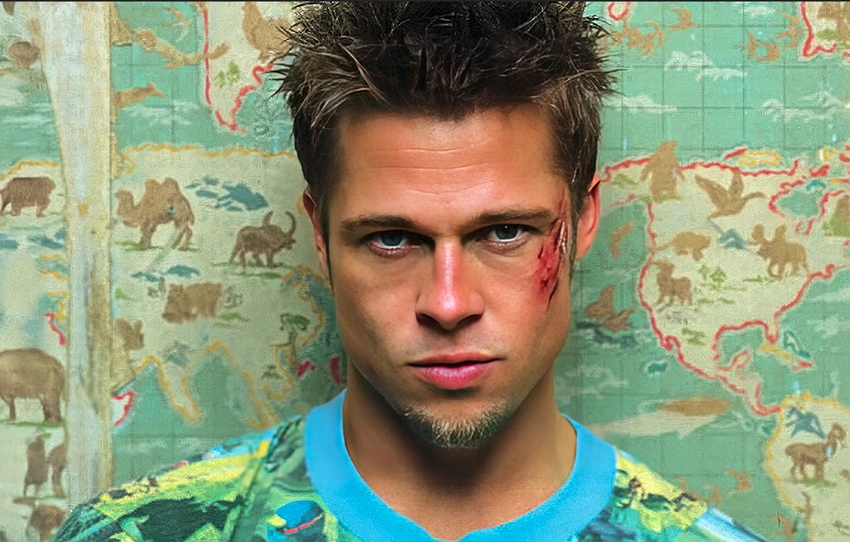
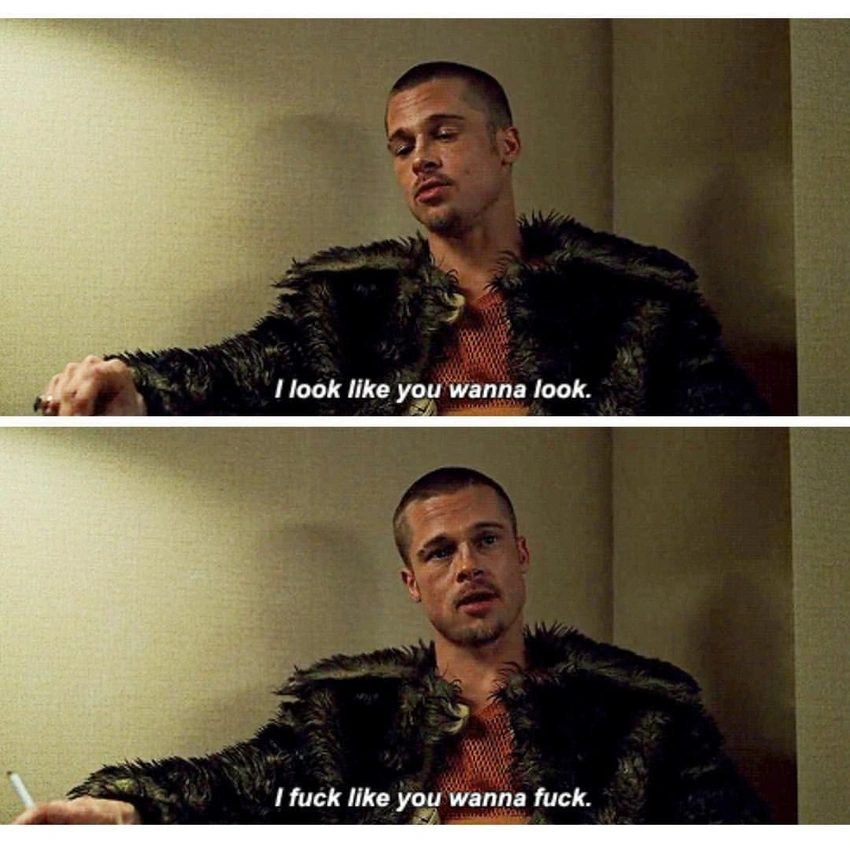
And it's equally exhausting to keep up-to-date with your friends and family's social updates just so you don't seem rude. The result is a profound alienation, a sense that we are merely custodians of a digital avatar that is having a much better time than we are. It's like we all have to 'curate' a Tyler Durden of our lives who's better than us in all ways.
The irony, of course, is that the internet was promised to us as a place of endless expression. Instead, the pressure to brand has turned it into a panopticon of beige competence. We are so terrified of being misunderstood, or worse, being 'cringe,' that we have optimized the idiosyncrasy right out of us. We speak in the sterile, therapeutic language of HR departments, issuing press releases about our 'boundaries' and 'capacities' to an audience of high school acquaintances we haven’t spoken to since the Obama administration.
I am proposing a radical alternative: the luxury of being unoptimized. There is a subversive power in refusing to be a coherent product. I want the right to be contradictory. I want to post a blurry photo of a cat followed by a serious political article followed by silence for three weeks, without worrying that I am confusing my 'audience.'
When we refuse to treat ourselves like a startup, we reclaim the space to change. A brand cannot pivot without a strategy meeting; a person can just wake up one day and decide they hate hazy IPAs or love brutalist architecture. The refusal to brand is a refusal to be captured. It is an argument for opacity in an age of transparency.
So, let your digital footprint be messy. Be illegible to the algorithm. Let your online presence be a garage sale rather than a boutique. Because if we turn our souls into LinkedIn profiles, we shouldn’t be surprised when we start to feel like nothing more than a collection of skills endorsed by people we hardly know.
