Dimon: War, AI and Trade Risks Could Redefine Global Order

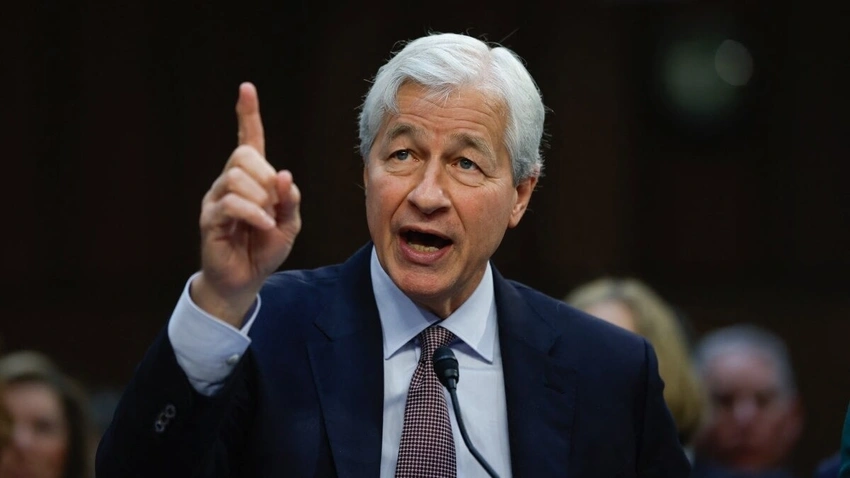
Dimon: War, AI and Trade Risks Could Redefine Global Order
JPMorgan CEO Jamie Dimon flags geopolitical tensions, AI disruption and shifting trade as defining risks to the world economy in his annual letter to shareholders.
Jamie Dimon, the chief executive of JPMorgan Chase, says the next era for the world economy will be defined by geopolitical risk, trade shifts, and rapid tech change. In his annual letter to shareholders, he argues that wars and tensions—from Ukraine and Iran to frictions with China—could reshape the global economic order. He warns that the ripple effects could reach energy and commodity markets in ways investors may not have fully priced in.
Dimon places special emphasis on any escalation in Iran, noting that even a limited conflict could disrupt oil and gas shipments, tighten markets, and keep inflation elevated. He cautions that energy shocks would complicate central-bank work and asset pricing while global supply chains remain fragile.
The letter also sketches how trade dynamics are being rewoven by policy shifts, with tariffs and supply-chain realignments altering alliances and market access. Dimon highlights the role of private markets, AI advances, and the evolving digital economy as new sources of opportunity and risk, urging investors to prepare for a broad recommitment to American values.
Despite the headwinds, Dimon expresses confidence in the long-term resilience of the United States, pointing to the country’s 250th anniversary as a moment to refocus on freedom, liberty, and opportunity.
He cautions that the defining factor for the future could be how geopolitics and technology interact with energy markets, and urges businesses to stay prepared for higher volatility and potential inflationary pressure if conflicts flare.
