Could U.S. Tariffs Be India’s Big Chance in Apparel Market?

Could U.S. Tariffs Be India’s Big Chance in Apparel Market?
India's apparel and footwear sectors are poised for growth as U.S. tariffs reshape global trade. Discover how Indian exporters can benefit from this unique moment.
India’s apparel and footwear industry is changing fast. Recently, the U.S. put high tariffs on products from some Asian countries like China and Vietnam. Because of that, many American companies are now looking for new places to buy clothes and shoes from. This is where India is stepping in.
For example, imagine you run a small factory in the Vidarbha area of Maharashtra that makes cotton T-shirts. Before, most of my buyers came from local markets. But now, I’m suddenly getting emails from big U.S. brands asking if I can handle large orders. They say they can’t rely on their usual suppliers anymore because of the new tariffs.
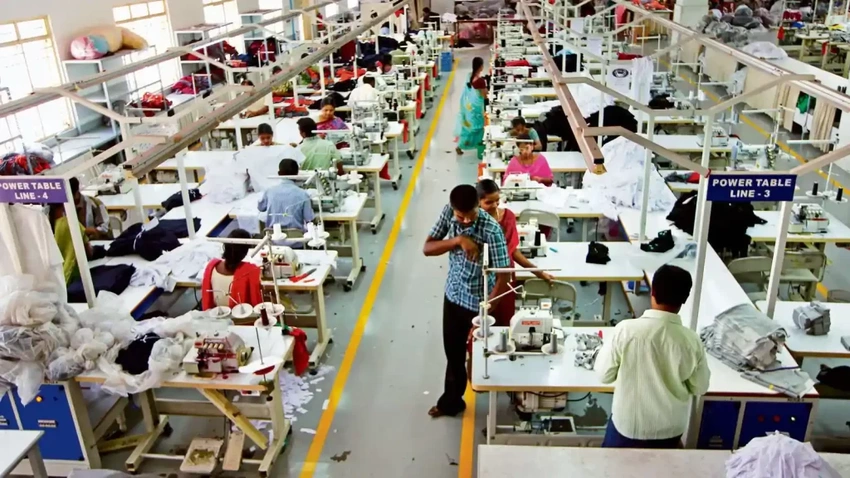
India has a strong setup because we grow cotton, have skilled workers, and make finished products all in one place. That makes us faster and more efficient. Also, many of us are trying to follow eco-friendly steps—using less water, avoiding harmful dyes, and recycling materials. These things matter a lot to international buyers now.
We see this as our chance to grow and show the world what India can do. If we get this right, we might not just get short-term orders, but become a long-term partner for global fashion brands. It feels like we’re finally getting the attention we’ve been working so hard for.
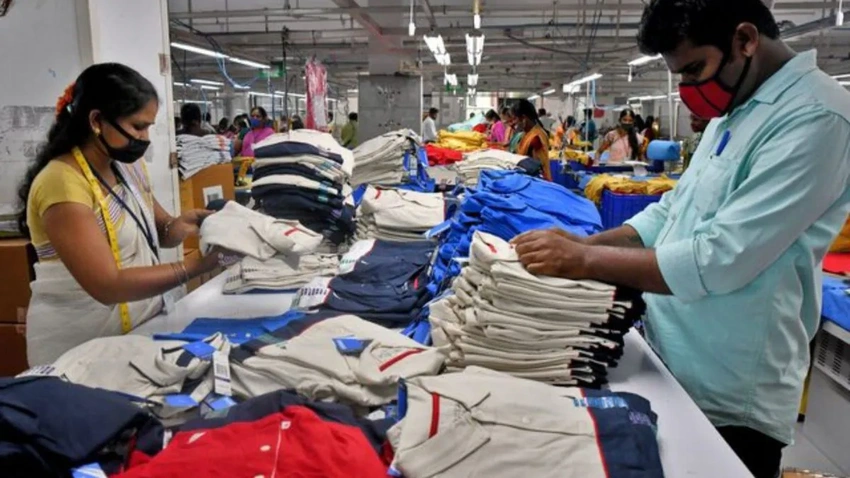
Between January and May 2025, the US imported $5.11 billion worth of textiles and apparel from India 13% increase over the same period last year, signaling strong export momentum. Rakesh Mehra, Chairman of the Confederation of Indian Textile Industry (CITI) stated:
We are actively tracking the tariff-related developments, especially their impact on key sectors where India competes with other major textile-exporting nations.
New U.S. levies announced for August 1 will bring charges as high as 35% on Bangladesh, 36% on Cambodia and Thailand, and similar levels on other nations, while India faces comparatively moderate tariffs around 27%. This clear price advantage places India in a compelling position. According to the Apparel Export Promotion Council, countries like Bangladesh and Vietnam will be most affected, giving Indian firms a better shot at securing U.S. orders.
Mehra further added:
The initial signs in this connection augur well for Indian textile and apparel exporters in terms of being able to expand their access in the U.S., as they would now become more price competitive relative to those from other countries.
U.S. retailers such as Walmart, Nike, Gap, and Puma have begun actively scouting India for sourcing alternatives to high‑tariff countries. Industry voices note that India’s knitwear hub of Tiruppur and Tamil Nadu’s growing footwear clusters are already seeing increased interest from overseas buyers.
However, challenges lie ahead. Indian manufacturing costs, particularly labour, remain higher than those in Bangladesh. For example, monthly wages are around US$180 vs. Bangladesh's US$139. To bridge this gap, companies are boosting automation and investing in workforce training. Government schemes like Production Linked Incentives (PLI), MITRA parks, and cotton modernization efforts are supporting capacity and efficiency enhancement.
The export surge is already revealing itself in the stock market. Shares in textile exporters like Gokaldas Exports, Vardhman, KPR Mill, and Arvind jumped over 8% upon the announcement of U.S. tariffs on Bangladesh. Bengaluru‑based Gokaldas Exports reported a 19% increase in profit after tax in the latest quarter, despite prevailing tariff uncertainties.
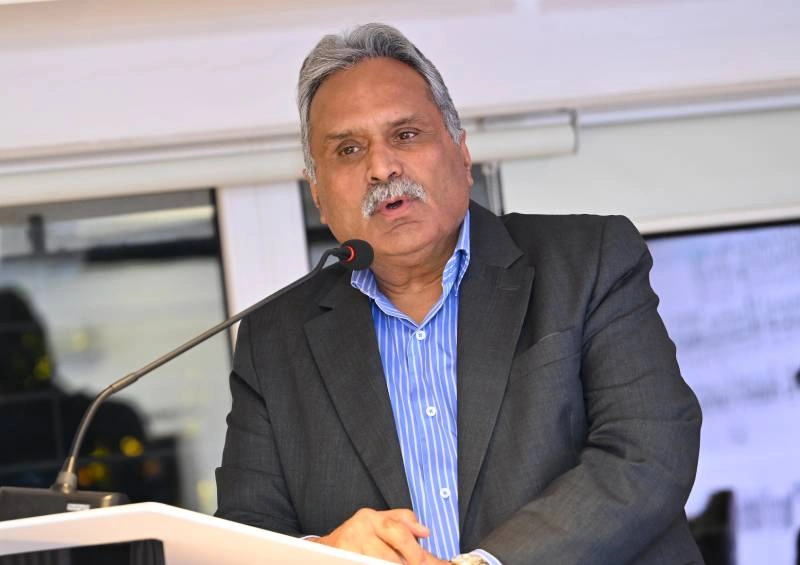
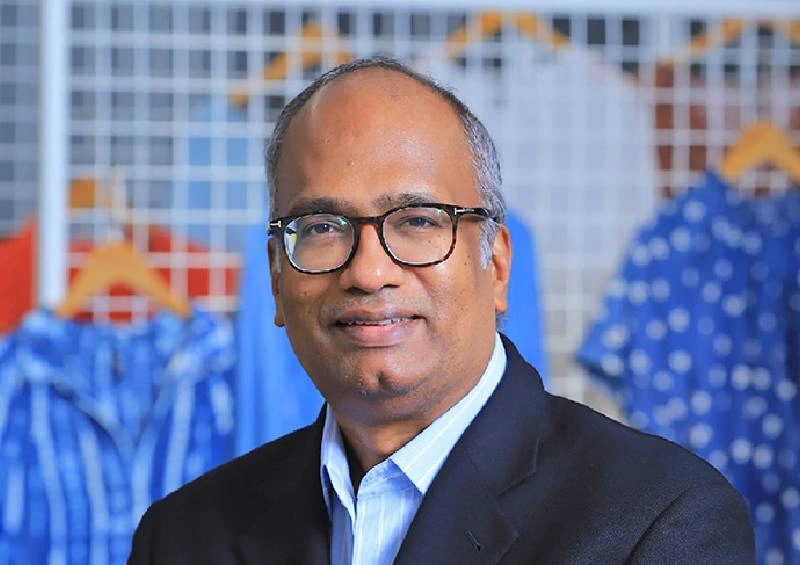
Sivaramakrishnan Ganapathi often called Siva is the Vice-Chairman & Managing Director (Executive Vice Chairman & MD) of Gokaldas Exports, a major Indian apparel manufacturer and exporter mentioned:
The true test for Indian exporters will emerge with the fall and winter collections, where the cumulative effect of the new tariffs will be fully realised.
Tariffs alone won’t guarantee success. Indian exporters must follow U.S. rules, if they import fabrics or parts, they may lose tariff benefits. Just cutting and stitching isn’t enough; full value must be added in India, and supply chains must be clearly documented.
There’s also talk of a possible India‑U.S. trade deal, which might reduce tariffs on garments. India may also lower its own import duties to improve trade ties.
In the long run, other sectors like leather, rubber goods, and technical textiles could also benefit. But to truly grow, India must scale up, stay sustainable, and meet global quality and compliance standards.
As an Indian, I feel genuinely hopeful and proud watching our apparel and footwear industry finally get the spotlight it deserves. For years, we’ve had the talent, the craftsmanship, and the potential but now, the world is starting to notice. It’s exciting to see our factories, workers, and designers not just competing on price but being chosen for quality and reliability. We’re stepping into a role where India can lead, not follow, in global fashion sourcing. If we keep up the quality and stay true to our roots, I believe this could be our time to shine on the world stage.
#IndiaApparel #USTariffs #FootwearIndustry #Sustainability #TradeOpportunities
