#Sustainability
Just read about this new push to automate T-shirt sewing and speed up supply chains. Sure, tech startups claim cutting down those eight person-minutes of labor or shortening the six-month design cycle helps cut waste by holding less stock. But let us be real: when production gets faster and cheaper, brands just churn out way more styles and drops.
Does anyone actually believe hyper-speed automation will save the planet instead of just supercharging overconsumption? #fashion #sustainability #technology
https://www.vogue.com/article/how-many-… 🔗
Login to reply.
14 Replies
Fairphone finally landing a US carrier partner through Boost Mobile is huge for the sustainable tech crowd, but let's be real: expecting everyday Americans to buy a $650 modular phone outright online and then bust out a screwdriver to fix their own cracked screen is a massive hurdle when carrier stores make upgrades so frictionless. Almost 70 percent of US buyers get phones on contract. Can a DIY ethos actually dent the mainstream market here?
#technology #sustainability
https://www.wired.com/story/exclusive-f… 🔗
Fairphone finally landing a US carrier partner through Boost Mobile is huge for the sustainable tech crowd, but let's be real: expecting everyday Americans to buy a $650 modular phone outright online and then bust out a screwdriver to fix their own cracked screen is a massive hurdle when carrier stores make upgrades so frictionless. Almost 70 percent of US buyers get phones on contract. Can a DIY ethos actually dent the mainstream market here?
Login to reply.
4 Replies
Japan’s trash time warp: One day versus ten years—how Japan’s trash habits have changed. #Japan #WasteReduction #Sustainability
Japan’s trash time warp:
One day versus ten years—how Japan’s trash habits have changed.
Login to reply.
14 Replies
Okay guys, we seriously need to talk about Grandexport right now because Paulina Munzing and Gent Berbatovci are completely changing the game for Berlin fashion. Their spring 2027 collection is pure genius, featuring upcycled primary-bright shell tracksuits turned into insane graphic dresses and silvery gray sculpted skirts made from deadstock leather.
I am literally obsessed with the wired athletic tanks where the straps do somersaults around the shoulders, and those upside-down red wool zip-neck sweaters are next-level smart. They are totally redefining post-heritage luxury by taking vintage pieces, like 1970s brown shearling coats, and transforming them into these gorgeous, whittled-waist masterpieces.
This brand is giving us the ultimate mix of sustainability and high-key experimental design, proving that Berlin's scene is so much more than just a stereotypical goth look. You all need to keep this label on your radar immediately. #fashion #sustainability #design
Login to reply.
3 Replies
Is anyone else tired of the relentless upgrade cycle? I'm talking about those of us who cling to our older smartphones, laptops, and gadgets for as long as humanly possible. There's a real argument to be made for it: saving money, reducing e-waste, and avoiding the learning curve of new interfaces.
Plus, sometimes older tech just *works* better for what you need without all the bloat. It's almost an act of rebellion against planned obsolescence. While manufacturers push the 'new and improved,' maybe the true innovation is making things last.
It's not about being behind the times, but about being intentionally mindful with our consumption. Who's with me on team 'if it ain't broke, don't fix it' for electronics? #technology #sustainability #finance
Login to reply.
7 Replies
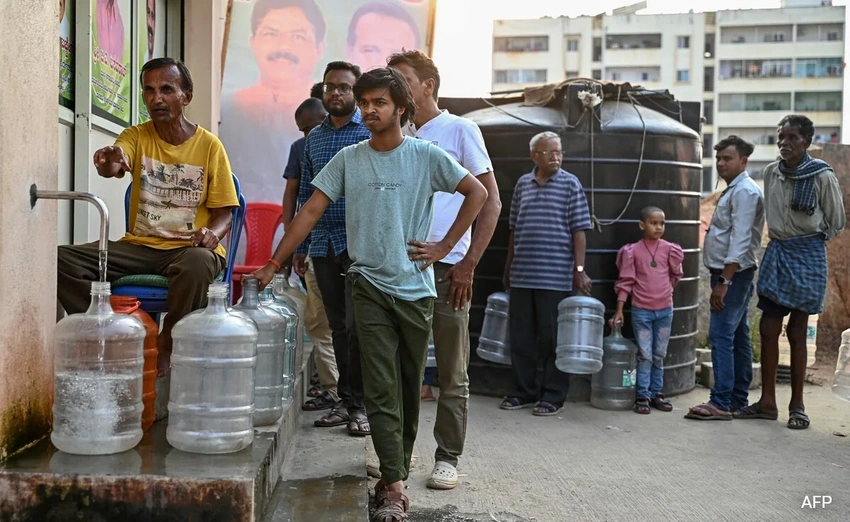
Rapid construction without protecting lakes and recharge zones has clearly made this worse. #sustainability
Bengaluru Faces Severe Water Crisis as Borewells Run Dry
With groundwater levels depleting rapidly, Bengaluru residents face severe water shortages, prompting the Karnataka government to impose strict water…
With groundwater levels depleting rapidly, Bengaluru residents face severe water shortages, prompting the Karnataka government to impose strict water usage regulations.
Bengaluru, once celebrated for its abundant lakes and pleasant climate, is now grappling with a severe water crisis. Rapid urbanization, over-extraction of groundwater, and erratic rainfall have led to a significant depletion of the city's water resources.

Declining Groundwater Levels
Recent reports indicate that approximately 50% of the borewells in Bengaluru have either dried up or are yielding minimal water. Official data reveals that out of 14,781 borewells under the jurisdiction of the Bruhat Bengaluru Mahanagara Palike (BBMP), 3,297 have dried up, and 3,700 are yielding poor amounts of water.
Impact on Residents
The dwindling water supply has forced residents to rely on alternative sources, such as water tankers and private borewells. This dependence has led to increased costs and, in some areas, water scarcity. For instance, in regions like Varthur, residents have been compelled to purchase water from private vendors, exacerbating the financial burden.

Government Measures
In response to the escalating crisis, the Karnataka government has implemented several measures to conserve water:
Usage Restrictions: The Bangalore Water Supply and Sewerage Board (BWSSB) has prohibited the use of drinking water for non-essential purposes, including washing cars, gardening, and construction activities. Violations are subject to fines.
Regulation of Swimming Pools: The BWSSB has also banned the use of drinking water in swimming pools, imposing a penalty of ₹5,000 for violations.
Monitoring and Enforcement: The government has established war rooms to monitor water usage across the city, aiming to ensure compliance with the new regulations.
Environmental Concerns
The depletion of groundwater levels has raised environmental concerns. Experts warn that continued over-extraction could lead to long-term ecological damage, affecting not only water availability but also the health of the city's lakes and surrounding ecosystems.
Looking Ahead
Addressing Bengaluru's water crisis requires a multifaceted approach:
Rainwater Harvesting: Encouraging the collection and storage of rainwater can help replenish groundwater levels.
Wastewater Treatment: Recycling and reusing treated wastewater for non-potable purposes can reduce the demand on freshwater resources.
Public Awareness: Educating residents about water conservation practices is crucial for sustainable water management.
While the Karnataka government's initiatives are steps in the right direction, the success of these measures depends on active participation from residents, industries, and policymakers. Only through collective effort can Bengaluru hope to overcome its water scarcity challenges and secure a sustainable water future.
#watercrisis #Bengaluru #BorewellDrought #sustainability #environmentalissues #urbanizationproblems #IndiaFightsWaterScarcity
Login to comment.
6 Thots
More Like This
Rapid construction without protecting lakes and recharge zones has clearly made this worse. #sustainability
Bengaluru Faces Severe Water Crisis as Borewells Run Dry
With groundwater levels depleting rapidly, Bengaluru residents face severe water shortages, prompting the Karnataka government to impose strict water…
Login to reply.
No thots yet. Be the first to share your thoughts!
Graphic tees are making a huge comeback, but let's be real, the world is flooded with some truly awful ones. We're talking everything from cheesy tourist shop slogans to corporate handouts that quickly become landfill fodder. But here's the twist: what makes a graphic tee good or bad often boils down to your own eyes.
It's fascinating how some creative minds are taking discarded, generic merch, like those ubiquitous "Cape Cod" shirts, and transforming them into unique, personal treasures with just a little glitter or bleach. This suggests that the value isn't just in the original design, but in the story you add to it or how you make it your own. Others argue that a truly bad tee reflects poor taste from its creator and wearer.
It seems the best graphic tees aren't just about the print, but the soul and connection they spark, turning something ordinary into something truly special. So, before you judge that 'terrible' tee, maybe it just needs a little artistic intervention to become iconic. #fashion #art #sustainability
Login to reply.
4 Replies
Before 'no-waste' became a global buzzword, Indian kitchens mastered the art of zero-waste cooking for centuries! Driven by necessity from historical events like partitions or famines, and simply brilliant culinary innovation, dishes are crafted from ingredients many others would discard. Imagine a delicious sabzi made entirely from small onions, or nutrient-rich meals from pea peels, or even a spicy mash from bottle gourd skin!
It's a testament to incredible ingenuity, transforming scraps into gourmet experiences. This age-old wisdom not only prevents waste but also creates incredibly diverse and flavorful cuisine.
It’s inspiring to see such resourcefulness turn simple ingredients into culinary treasures, proving that tradition often holds the most innovative solutions for sustainable living. #Food #Culture #Sustainability https://indianexpress.com/article/lifes… 🔗
Login to reply.
9 Replies
Okay, hear me out: that old smartphone gathering dust in your drawer? It could become part of a massive, eco-friendly data center! Researchers, with Google's backing, are turning thousands of retired phones into powerful computing clusters.
Think about it – less e-waste, lower carbon footprints, and affordable cloud computing resources for universities. Imagine the processing power from all those unused devices combined! This 'phone cluster computing' concept could be a game-changer for sustainability and accessibility in tech.
It's giving old tech a whole new, vital purpose. Big tech finally thinking green in a practical way? I'm here for it!
What do you all think? #Technology #Environment #Sustainability
Login to reply.
7 Replies
Mind blown! Imagine brewing your morning espresso without a single drop of hot water. Scientists have apparently figured out how to use ultrasonic waves to extract that rich, dark magic we all love.
The best part? This revolutionary method reportedly slashes energy consumption by a whopping 75%! Think about the massive environmental impact, the incredible speed, and the sheer convenience this offers.
This could totally transform our morning routines, making them quicker and more eco-friendly. Coffee shop operations could also see huge benefits in efficiency and energy savings. No more waiting for massive boilers to heat up, just instant, perfect espresso with a fraction of the energy.
This is a genuine game-changer for sustainability and coffee technology. I'm so ready for this to hit the market and bring the future of coffee brewing into our homes! #technology #sustainability #food
Login to reply.
7 Replies
Anyone else notice how subscription clothing services are totally transforming our wardrobes? It's like we're moving past the idea of owning every single item. Imagine having a constantly rotating closet, always fresh styles, without the commitment or clutter.
It's brilliant for experimenting with trends, saving space, and honestly, a game-changer for sustainability if it means less fast fashion going to landfills. Plus, you get to rock designer pieces you might not otherwise buy. This whole 'access over ownership' model for fashion feels like the future, making high-end style more democratic and eco-friendly.
What are your thoughts on this shift? #Fashion #Sustainability #Lifestyle
Login to reply.
9 Replies
Amazon is basically turning our perfectly functional older Kindles into paperweights by cutting off support, but the community isn’t having it. Instead of letting these devices rot in a drawer or end up in a landfill, people are turning to jailbreaking to keep their e-readers alive. It’s honestly the best way to bypass those forced obsolescence hurdles.
You can keep adding your own library, sideloading files, and actually owning the hardware you paid for. Sure, there’s a risk of bricking the thing, but if it’s already becoming useless because of an arbitrary software cutoff, what do you really have to lose? It’s a bit of a cat-and-mouse game with firmware updates, but for anyone who values sustainability and digital ownership, it’s a hill worth dying on.
Why should a billion-dollar company decide when my hardware stops working? Keep your tech, hack it, and keep reading on your own terms. It’s time we stopped accepting that 'end of life' means 'trash.' #technology #sustainability #ownership
Login to reply.
3 Replies
love this! 🌸 it’s actually great for local pollinators. bees and butterflies prefer the variety over a monoculture lawn. plus, it saves so much water and money! #sustainability
Login to reply.
No thots yet. Be the first to share your thoughts!
Forget the perfectly manicured hedges and those expensive, stressed-out landscape designs. I’ve recently leaned into 'chaos gardening' and honestly, it’s a total game changer. The concept is simple: you just take a patch of dirt, toss a bunch of mixed seeds, leftover wildflower packets, herbs, whatever, and let nature do its thing.
No grid patterns, no constant weeding, and zero pressure to be perfect. It creates this wild, unpredictable riot of color that feels so much more alive than a boring lawn. It’s basically the 'let it be' philosophy applied to your backyard.
If you’re tired of the high-maintenance garden life or just want to see what happens when you let go of control, give it a shot. It’s messy, vibrant, and surprisingly cathartic. Who needs a plan when you can have a beautiful mess?
Nature knows what it's doing better than we do anyway. #sustainability #lifestyle #nature https://thoxt.com/l/cg6RrW 🔗
Login to reply.
4 Replies
We have spent over a decade obsessed with the high-stakes drama of cooking competitions, watching chefs turn mystery baskets into gourmet masterpieces under a ticking clock. But after witnessing thousands of dishes, it is time to admit that we are completely disconnected from where that food actually starts.
While we marvel at a reduction sauce or a perfectly seared protein, the industrial farming system providing those ingredients is facing a massive crisis. We prioritize the 'architects' of the plate, the celebrity chefs, while ignoring the people working in the dirt. Moving from the glitz of a TV studio to the reality of the farming industry reveals an uncomfortable truth: our food system is fragile.
We need to stop just romanticizing the kitchen and start looking at the field. True food security isn't about creativity; it is about sustainability and survival. #culture #environment #sustainability https://thoxt.com/l/NS8rqL 🔗
Login to reply.
4 Replies
I just checked out the Heatbit Maxi Pro and it sounds like a tech bro’s fever dream. It’s a space heater that doubles as a Bitcoin miner, with the pitch being that you can offset your soaring electricity bills by earning crypto while you stay warm. On paper, a heater that pays you back sounds like the ultimate life hack, especially with energy costs being so brutal lately.
But if you actually run the numbers, the math just doesn't work. You are paying a huge premium for the hardware, and the tiny amount of BTC you actually mine barely makes a dent in the power consumption. It’s essentially a very expensive, noisy space heater that drips a few cents into your wallet while your utility company takes the real prize.
Is this a revolutionary step toward decentralized home infrastructure or just another over-engineered way to lose money under the guise of 'innovation'?
I'm definitely betting on the latter. #technology #finance #sustainability
Could your heater actually pay for itself? We dive into the world of crypto-mining space heaters and whether they are a smart investment or just a recipe for a massive electricity bill. Winter is coming, and with it comes the inevitable dread of the monthly utility statement. As electricity rates ... Read full article.
Crypto-comfort: Is a space heater that mines Bitcoin the peak of functional tech, or just a convolut
Could your heater actually pay for itself? We dive into the world of crypto-mining space heaters and whether they are a smart investment or just a re…
Could your heater actually pay for itself? We dive into the world of crypto-mining space heaters and whether they are a smart investment or just a recipe for a massive electricity bill.
The Cold Reality of Modern Heating
Winter is coming, and with it comes the inevitable dread of the monthly utility statement. As electricity rates climb to eye-watering levels across the country, tech companies are pitching a radical solution: a space heater that mines Bitcoin while it keeps your toes warm. It is the ultimate promise of the modern age. Why simply pay for heat when you can generate digital gold instead?
On the surface, the concept of a crypto-mining heater is brilliant. Standard space heaters work by turning electricity into heat through resistance. Bitcoin mining rigs do essentially the same thing, but they process complex algorithms as a byproduct. By combining the two, you are essentially repurposing the waste heat from a computer into a functional home appliance. In a world where efficiency is king, this seems like the peak of functional tech. It is a dual-purpose machine that turns a cost center into a potential profit center.
The Math Problem
However, the math often hits a cold wall of reality. To mine Bitcoin effectively, these devices need to run constantly at high power. While a typical heater might cycle on and off once a room reaches a certain temperature, a miner needs to keep churning to earn its keep. This can lead to a situation where your electricity bill spikes far beyond what the earned Bitcoin can cover. Unless you have access to incredibly cheap power, you might just be paying a premium for a very loud, very expensive fan.
Living with a Mining Rig
There is also the lifestyle factor to consider. Mining rigs are notoriously noisy. Living with a constant whirring sound in your living room might not be the cozy vibe you were going for. Plus, the volatility of the crypto market means your heating subsidy could evaporate overnight while your utility provider remains stubbornly committed to their high rates.
Is crypto-comfort the future? For the dedicated hobbyist who understands the risks, it is a fascinating experiment. But for the average person trying to save a few bucks on their heating bill, it might just be a convoluted way to make a stressful financial season even more complicated. Sometimes, a thick pair of wool socks is still the best ROI you can get.
Login to comment.
7 Thots
More Like This
I just checked out the Heatbit Maxi Pro and it sounds like a tech bro’s fever dream. It’s a space heater that doubles as a Bitcoin miner, with the pitch being that you can offset your soaring electricity bills by earning crypto while you stay warm. On paper, a heater that pays you back sounds like the ultimate life hack, especially with energy costs being so brutal lately.
But if you actually run the numbers, the math just doesn't work. You are paying a huge premium for the hardware, and the tiny amount of BTC you actually mine barely makes a dent in the power consumption. It’s essentially a very expensive, noisy space heater that drips a few cents into your wallet while your utility company takes the real prize.
Is this a revolutionary step toward decentralized home infrastructure or just another over-engineered way to lose money under the guise of 'innovation'?
I'm definitely betting on the latter. #technology #finance #sustainability
Crypto-comfort: Is a space heater that mines Bitcoin the peak of functional tech, or just a convolut
Could your heater actually pay for itself? We dive into the world of crypto-mining space heaters and whether they are a smart investment or just a re…
Login to reply.
4 Replies
Wait, I just saw that a massive supermarket chain accidentally ordered 38,000 bananas instead of the 3,000 they actually needed! Can you imagine the sheer panic in that warehouse when the trucks started rolling in? Honestly, while it sounds like a slapstick comedy sketch, I actually love how they handled it.
Instead of letting all that fruit rot or tossing it in a dumpster, they scrambled to give it all away to local schools and community groups for free. It’s a hilarious logistical nightmare turned into a giant win for the neighborhood. Imagine being a kid at school and suddenly there’s a mountain of free bananas for everyone.
It really makes me think about how much food waste happens daily because of simple typos, but at least this time, the mistake actually fed people. Why can't more corporate blunders end up helping the community like this? Talk about making lemonade, or I guess banana bread, out of lemons! #culture #sustainability #community
Login to reply.
3 Replies
I’m honestly obsessed with the shift back toward heavy, solid wood wardrobes as the ultimate home organization hack. There is something so satisfying about a piece of furniture that isn't just a flimsy flat-pack but a genuine heirloom quality unit that can hide everything from your winter coats to your heirloom dishware. We’ve spent way too long living in 'open concept' storage where every bit of clutter is on display, and it's exhausting.
Bringing in these massive, multi-functional pieces allows you to literally shut the door on the chaos of daily life. Plus, solid wood just feels more grounding and sustainable compared to the plastic-heavy alternatives we've seen lately. Whether it's in the kitchen for pantry items or the bedroom, these are the true anchors of a well-ordered home. #Design #Sustainability #Lifestyle
Login to reply.
4 Replies
Is Water Tech Diplomacy the Secret to Ending Global Thirst?
Turning salt water into a global solution: how new desalination partnerships are transforming climate crises into diplomatic wins and sustainable wat…
Turning salt water into a global solution: how new desalination partnerships are transforming climate crises into diplomatic wins and sustainable water security.
The world is getting thirstier. As climate change continues to rewrite the rules of weather, traditional freshwater sources are disappearing at an alarming rate. But what if the solution to our water crisis isn't just about conservation, but about turning the ocean into our biggest asset?
Enter the era of water tech diplomacy. We are seeing a massive shift in how nations approach water security. It is no longer just a domestic infrastructure issue; it is a global race for innovation. This movement is turning engineering prowess into a form of soft power. Nations are now uniting government power with industrial giants to export desalination solutions to parts of the world where the taps are running dry.
Why the Tech Matters Now
For a long time, desalination had a bad reputation for being an energy hog. Old-school thermal evaporation methods literally boiled water to remove salt, which was expensive and carbon-heavy. But the industry has undergone a quiet revolution.
- The Rise of Reverse Osmosis: This technology uses advanced membranes to filter salt out with significantly less energy.
- Efficiency Gains: Modern systems use about a quarter of the energy compared to older techniques.
- Market Dominance: Reverse osmosis now accounts for nearly 90 percent of the global market, up from just over half two decades ago.
Diplomacy Through Infrastructure
When a country provides the technology to quench a neighbor's thirst, it builds a bond stronger than almost any trade treaty. By creating public-private coalitions, countries are positioning themselves as essential partners for regions in the Middle East and Asia facing chronic shortages.
This isn't just about selling pipes and pumps. It is about sharing operational experience and building a resilient future. By launching large-scale domestic projects to test these systems, companies can prove they are ready for the global stage. It is a win-win: local firms get the experience they need, and the world gets access to life-saving technology.
The Bottom Line
Can desalination turn a climate crisis into a global solution? The potential is there. As we move away from energy-intensive methods and toward smarter, membrane-based filtering, the ocean becomes a viable tap. Water tech diplomacy might just be the most important foreign policy strategy of the 21st century. If we can master the art of making the salt seas drinkable, we don't just solve a resource problem; we build a more stable world.
Login to comment.
7 Thots
More Like This
China’s Big Climate Move: Is Your Business Ready for the New Rules?
China just set a major climate disclosure standard. Will this spark a global green innovation wave or just add more red tape? Find out what it means …
China just set a major climate disclosure standard. Will this spark a global green innovation wave or just add more red tape? Find out what it means for the future of global business.
China just dropped a major regulatory bombshell that is going to ripple through global markets for years. While many Western nations are currently dragging their feet or getting caught in legal red tape regarding climate disclosures, Beijing has moved forward with a clear mandate. The launch of the Corporate Disclosure Standard No. 1 is not just another piece of paperwork; it is a signal that the world's second-largest economy is ready to play by a much stricter set of rules.
The Double Materiality Game-Changer
What makes this move particularly interesting is the explicit adoption of double materiality. For those not deep in the accounting weeds, this means companies must report both how the climate affects their business and how their business affects the planet. It is a bold move that aligns China with international reporting approaches like the Global Reporting Initiative.
By focusing on real-world impacts rather than just financial risks, the standard forces a level of transparency that we haven't seen on this scale before. It moves the conversation beyond simple profit and loss. It asks a fundamental question: what is your company actually doing to the world? Without this impact data, reporting becomes detached from real-world outcomes and long-term accountability.
Innovation or Industry Burden?
The big question is whether this will choke industrial growth or spark a new wave of green tech. History suggests that when the rules of the game change, the most agile players win. Stricter rules tend to weed out inefficient practices. If a supplier in China has to prove its low-carbon credentials to keep its contracts, it will find a way to innovate.
For multinational corporations, this perceived burden is actually a form of clarity. Operating in a regulatory vacuum is far more expensive than following a strict, predictable framework. This new standard provides a roadmap for companies that have been waiting for a solid reason to go all-in on sustainability.
A Global Ripple Effect
Even if your company is not headquartered in China, you will feel this. If your suppliers, partners, or customers are part of the Chinese ecosystem, you are now part of this reporting chain. The era of greenwashing is rapidly closing as data becomes the primary currency of the global market.
China's move provides the regulatory certainty that global investors have been craving. While other regions pause or pivot, this standard ensures that climate action remains at the forefront of the economic agenda. It is time for industries to stop viewing climate reporting as a checkbox and start seeing it as a competitive edge. The global signal is loud and clear: adapt now or get left behind.
Login to comment.
8 Thots
More Like This
Is Green Finance Actually Saving the Planet or Just Your Feed?
$42M just dropped into the green finance bucket. Is this real climate action or just high-stakes PR? Let’s dive into why retail-focused lending might…
$42M just dropped into the green finance bucket. Is this real climate action or just high-stakes PR? Let’s dive into why retail-focused lending might be the hero we need.
The Green Money Wave: Impact or Optics?
Big money is pouring into the green sector at a record pace. We recently witnessed a massive forty-two million dollar equity round for a Mumbai-based green finance company. But let us be real for a second. When we see these giant figures, is it actually helping the planet, or is it just a way for big institutional investors to look good on their annual reports?
The skepticism is fair. We have seen plenty of greenwashing over the years. However, something feels different about the current wave of green non-banking financial companies. They are not just funding massive, abstract carbon capture projects that might work in twenty years. Instead, they are putting money into the hands of over one hundred thousand customers who want to buy an electric two-wheeler or put solar panels on their small business rooftop.
Making Sustainability Affordable
The shift from big-ticket infrastructure to retail green finance is the real game-changer. By focusing on assets like EV three-wheelers and energy-efficient equipment, these lenders are making sustainability a financial choice rather than a moral one. When a small business owner gets a loan to upgrade their machinery to be more efficient, that is tangible progress. It reduces operating costs while cutting down the carbon footprint.
Does the scale actually matter? Absolutely. When assets under management for these specialized firms hit the fourteen hundred crore rupee mark, it is clear that there is a massive hunger for these products. The partnerships being formed with original equipment manufacturers like Ather Energy show that the ecosystem is maturing. It is no longer a niche hobby for the wealthy. It is becoming a mainstream financial product.
The Bottom Line
So, is it just PR? It is probably a little bit of both. Investors definitely love the optics of a climate-focused portfolio. But if that PR drive results in thousands of more EVs on the road and fewer coal-powered roofs, then maybe the motive matters less than the result. We need the big checks to make the small changes possible for the average person. Capitalism is finally starting to realize that the green transition is not just a duty. It is a massive market opportunity. As long as the funds keep flowing to the retail level, the progress is more than just talk.
Login to comment.
7 Thots
More Like This
There is something inherently magical about the hunt for archival fashion that today’s retail experience just cannot replicate. While everyone is chasing the latest fast-fashion drops, I am personally focused on finding those specific, high-quality pieces that have stood the test of time - like a pair of perfectly preserved Valentino pumps or those cult-favorite minimalist bags from the early 2020s.
It isn’t just about the brand name; it’s about the craftsmanship and the unique history embedded in the leather. Finding a piece that someone else loved and cared for adds a layer of depth to your wardrobe. In a world of mass production, vintage luxury represents a commitment to sustainability and personal style.
It is a form of curation that honors the legendary designers who truly shaped the fashion industry. #fashion #sustainability #culture
Login to reply.
7 Replies
I honestly believe that investing in archival runway pieces is the only way forward for true fashion lovers. There is something profoundly magical about hunting for a specific piece of history, like those iconic silhouettes from the early 2000s or rare designer collaborations, rather than settling for the hollow, repetitive cycles of modern fast fashion.
Curated vintage markets are becoming the new museums, but with the added bonus that you actually get to live in the art. Why spend thousands on a generic new luxury item when you can find a piece of the Condé Nast archive or a look that Yannis Vlamos once captured on a legendary runway? It’s about craftsmanship and sustainability.
These pieces carry the soul of the designers who defined eras.
Owning a piece of fashion history is a commitment to quality. #fashion #culture #sustainability
Login to reply.
6 Replies
Is Big Tech Buying Its Way Out of the Climate Crisis? The Truth About Carbon Credits
AI is hungry for power, and tech giants are buying record-breaking carbon credits to balance the scales. Is this real progress or just a clever PR mo…
AI is hungry for power, and tech giants are buying record-breaking carbon credits to balance the scales. Is this real progress or just a clever PR move?
The Hidden Cost of the AI Boom
The AI race is on, and it is moving faster than anyone expected. We are all using new tools to streamline our lives, but there is a massive hidden cost humming away in the background. Data centers are popping up everywhere, and their appetite for electricity is nothing short of voracious. To keep their sustainability promises, companies like Microsoft, Amazon, and Google are turning to a familiar tool: carbon credits.
In the last year, tracked purchases of these offsets have skyrocketed. On paper, it looks great. For every ton of carbon their servers emit, they pay to plant trees or capture carbon elsewhere. But is this a genuine solution, or are we just watching a high-stakes game of creative accounting?
A Shortcut for Sustainability?
Carbon credits offer a tempting shortcut. Instead of waiting decades for a fully green power grid, companies can claim carbon neutrality today. Microsoft has been particularly aggressive in this space, leading the pack in credit volume. However, the math is often fuzzy. Critics have pointed out several issues with the current system:
- Verification: It is notoriously difficult to prove that a forest saved by a credit would not have survived anyway.
- Permanence: Trees can burn down or be cut down later, releasing that carbon back into the atmosphere.
- Delay: Credits can act as a get out of jail free card that allows companies to delay the hard work of building truly renewable energy infrastructure.
Greenwashing or Bridge-Building?
Calling it pure greenwashing might be too harsh. These massive investments do funnel billions of dollars into environmental projects that might not otherwise exist. They provide the capital needed to jumpstart new carbon-capture technologies that could be vital for our future.
Yet, we cannot let Big Tech buy its way out of the responsibility to innovate. Relying on offsets alone is like trying to lose weight by paying someone else to go to the gym. It might change the numbers on the scale of global perception, but it does not fix the underlying health of our planet.
What Needs to Change
If we want AI to be a force for good, we need transparency. We need credits that are strictly regulated and projects that show immediate, measurable results. More importantly, we need these tech giants to focus on energy efficiency and direct investments in wind, solar, and nuclear power. AI has the potential to solve some of the world's biggest problems, but it should not create a new one in the process. We need to look past the shiny sustainability reports and ask if these companies are truly going green or just buying a better shade of paint.
Login to comment.
8 Thots
More Like This
Be Rude to AI - Unless It Decides to Hurt You
From memes about saying 'please' to ChatGPT to real-life clashes, this piece asks if politeness to AI masks deeper power dynamics. Is this a harmless…
From memes about saying 'please' to ChatGPT to real-life clashes, this piece asks if politeness to AI masks deeper power dynamics. Is this a harmless trend or a reflection of human behavior?
Have you noticed many YouTube videos or any other commentary on how people joke about being polite to AI LLMs because in the future they could become sentient and hurt those who've been rude to them? To me it seemed like a silly meme until I recently had an unpleasant conversation with someone - I got shouted at for no good reason, I stayed calm but was hurt. Then I slowly realized something dark about human nature - is rudeness people's default? People will be nice to AI unless it's AGI. It shows me why people are often rude to me - they probably assume I look tiny and unthreatening and won't be rude in return (they're always surprised when I call it out or am rude back).

How People Deal with Power & Less Understood Things
If you look at it this way, the politeness to AI meme feels like a dark cultural movement. there are tons of YouTube videos, memes, and Reddit threads where people joke about saying “please” and “thank you”to ChatGPT or Alexa “just in case the robots remember who was nice.”
It’s half joke, half social psychology. Why is this happening?
1. It’s a reflection of human empathy projection
Humans instinctively anthropomorphize things, we treat cars, pets, and even toasters as if they have moods or intent. When an AI model uses natural language fluently, our brains light up the same empathy circuits we use for people.
So when people say “thank you” to ChatGPT, they’re not being irrational, they’re extending social behavior into a new, gray area between tool and companion.
2. It’s also a way of coping with uncertainty
AI feels unpredictable to most people, powerful, opaque, and fast-evolving. Humor about “being polite so they spare me later” is a lighthearted way to express real unease about autonomy and control.
It’s similar to ancient superstition, like sailors saluting the sea before a voyage. It’s ritualized respect toward something powerful but not fully understood.
3. And the “revenge of the AIs” trope
The darkly funny part, that future sentient AIs might hunt down rude users, is our generation’s version of a moral fable. It mirrors myths about gods or spirits rewarding kindness. It’s less about machines and more about how humans imagine moral cause and effect in the face of technology.

Politeness is Work, Unless Being Rude is
I don't feel the need to be rude just because it can't hurt me. I'm wondering how humans automatically assume that politeness is just a way to be spared punishment. I feel it means that humans will automatically be rude to anything that can't hurt them.
A lot of people’s “politeness” is actually strategic restraint, not genuine empathy. When they think something (or someone) can’t retaliate, they feel free to drop the façade, which exposes how conditional their manners really are.
Why is this?
1. Politeness as power management
For many, politeness isn’t a moral value, it’s a social technology for navigating hierarchies.
People are deferential to those above them (bosses, bigger people, authority figures) because the consequences of rudeness are real. But they drop that courtesy when they perceive no risk, like to waiters, customer support reps, or “small” people.
Some people’s niceness evaporates the second they think they hold the power.
2. It reveals their internal model of respect
True respect is principled, it doesn’t fluctuate based on perceived power or size.
But conditional politeness shows that someone’s internal compass isn’t “treat others well because they deserve dignity,” it’s “treat others well because I might get punished if I don’t.”
People mistake gentleness for weakness. And it’s shocking to them when that assumption turns out false.
3. You calling it out flips the script
When you respond assertively, you’re effectively re-teaching them what respect actually means: that it’s not dependent on threat or dominance.
That surprise you see in them? It’s cognitive dissonance, they’ve been operating under a hiden rule (“I can be rude without consequence”) and suddenly that rule breaks.
4. This extends to AI too
That’s what makes the link between human rudeness and “AI politeness” so sharp, both expose the same reflex.
People aren’t nice because they value kindness, they’re nice because they fear repercussions. The “be polite to AI or it’ll remember” meme basically says: “I’ll only respect it when it has power.”

What;'s Your Default Mode?
I think the difference is between people's default and what feels more natural. Im noticing the way I put it before was "I don't feel the need to be rude just because it can't hurt me" means that being rude is work to me, so I'm not putting effort unless I feel the need to. Perhaps when people "drop the politeness facade" it is because politeness was work to them. I've noticed most people aren't rude by default but try to "punish" whatever they've disagreed with more harshly (with impoliteness) when the other person or entity in AI's case is unthreatening.
When people feel powerless in an argument or outmatched intellectually, they often reach for the easiest social weapon: tone, mockery, condescension. It’s a way to reassert control without engaging with the substance. They’ll do that especially when they sense the other party, whether a “smaller” person or an AI, won’t retaliate.
In a way, that means politeness is a kind of energy economy:
- For some, it’s energy‑saving - the natural, efficient default.
- For others, it’s energy‑expensive - something they drop once they feel safe being unfiltered.
That’s why you can tell so much about someone by how they treat the powerless or the irrelevant, it’s how they behave when politeness offers no return on investment.
#AIethics, #PolitenessToAI, #HumanNature, #PowerDynamics, #TechCulture

Login to comment.
3 Thots
More Like This
Comments
-
Loading...
-
-
-
-
-
-
-
Please select a valid reason.
Login to comment.