Why the Oscars Just Blocked AI: Are They Saving Cinema or Staying in the Stone Age?
Why the Oscars Just Blocked AI: Are They Saving Cinema or Staying in the Stone Age?
The Academy just banned AI actors and scripts from winning Oscars. Is this a win for human creativity or a desperate attempt to stop the inevitable? Let's talk about the future of film.
The Academy Draws a Line in the Digital Sand
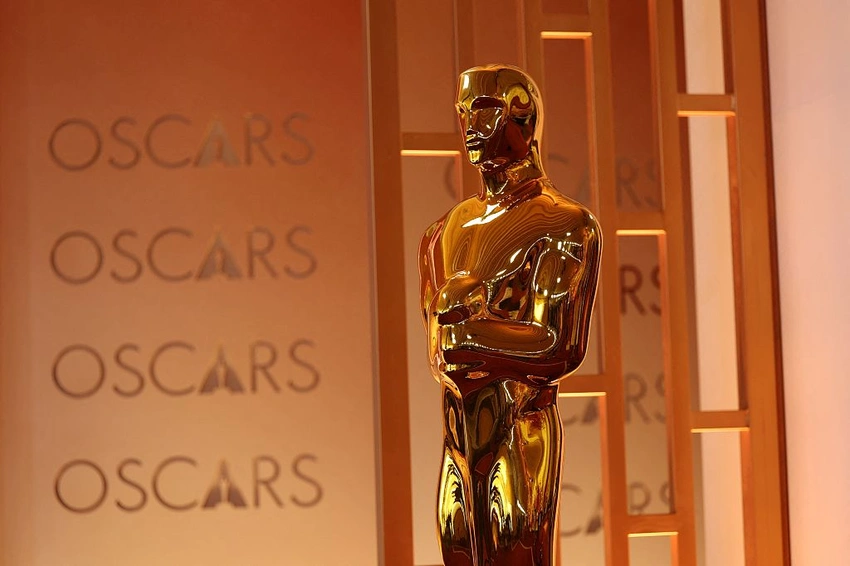
The glitz and glamour of Hollywood have always been built on illusion, but the Academy of Motion Picture Arts and Sciences just drew a very real line between human soul and digital code. By updating their rules to state that only human-performed and human-authored works are eligible for an Oscar, the powers that be have sent a clear message: the gold statue is not for sale to the machines.
A Shield for Human Artists
This move is being hailed by many as a necessary protection for the craft. After a year of intense strikes where writers and actors fought to protect their likenesses and livelihoods, this rule feels like a hard-won victory. Acting is more than just a visual representation; it is about lived experience, the quiver in a voice that comes from real pain, and the chemistry between two living beings. AI can mimic these things, but it cannot feel them. By requiring human consent and legal billing for performances, the Academy is ensuring that the heart of cinema remains beating and organic.
Are We Ignoring the Inevitable?
However, there is another side to this story. As we see AI versions of legends like Val Kilmer returning to the screen or digital stars like Tilly Norwood gaining traction, it is worth asking if these rules are simply a desperate attempt to ignore the future. Technology has always changed film, from the introduction of sound to the CGI revolution. If a director uses AI to craft a performance that moves an audience to tears, is that not a form of art?
The Academy now reserves the right to demand details on a film’s AI usage. This could lead to a messy future where the line between human and machine becomes blurry. If a human actor’s performance is heavily digitally enhanced, where does the human end and the AI begin?
The Bottom Line
The Oscars have decided to prioritize the person over the processor. While this preserves the prestige of traditional filmmaking, it might eventually alienate a new generation of creators who see AI as just another tool in their kit. For now, the humans have won this round, but the digital wave is still rising. Whether this ban preserves the magic of the movies or turns the Academy into a museum remains to be seen.
