Are Interviews Dead? The Podcast Shift Reshaping Pop Fame and Truth

Are Interviews Dead? The Podcast Shift Reshaping Pop Fame and Truth
Are Interviews Dead? The Podcast Shift Reshaping Pop Fame and Truth
The sentence “interviews are dead” has been floating around my timeline for months now, usually attached to a clip of a pop star being asked whether they’d rather fight a horse-sized duck or explain their “ick”. It’s funny, but it’s also a little bleak. Because somewhere between the rise of influencer podcasts and the algorithmic need for bite-sized “relatable” content, the long, difficult, revealing interview with a pop star has quietly left the stage.
The podcast-ification of pop fame
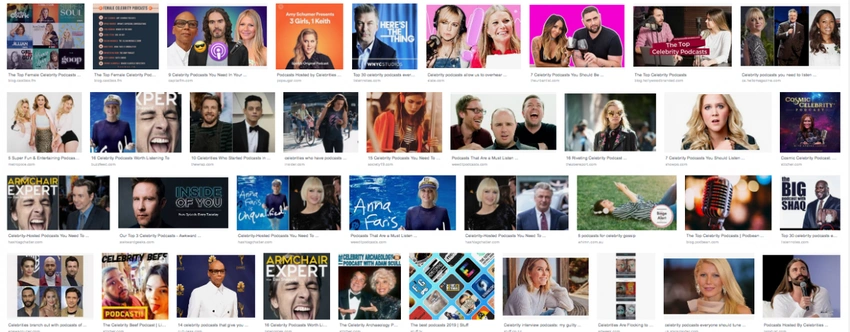
The numbers tell their own story. Podcast listening has exploded: recent estimates suggest there are over 4.5 million podcasts globally, with hundreds of millions of listeners and steady year-on-year growth. Pop stars themselves now front slickly produced shows that sit somewhere between PR and intimate confessional. Dua Lipa’s At Your Service, later folded into the Service95 Book Club podcast ecosystem, positions the star as thoughtful host, curating conversations with artists, writers and filmmakers while extending her brand into a broader “cultural platform”.
At the same time, the industry around them has ballooned into a multi-billion dollar market, with podcast advertising one of the fastest-growing segments in digital audio. For labels and managers, it’s obvious: why send your artist into a hostile print interview when you can send them to a friendly, monetisable podcast with a built-in audience and complete control of the edit?
When influencers became “journalists”
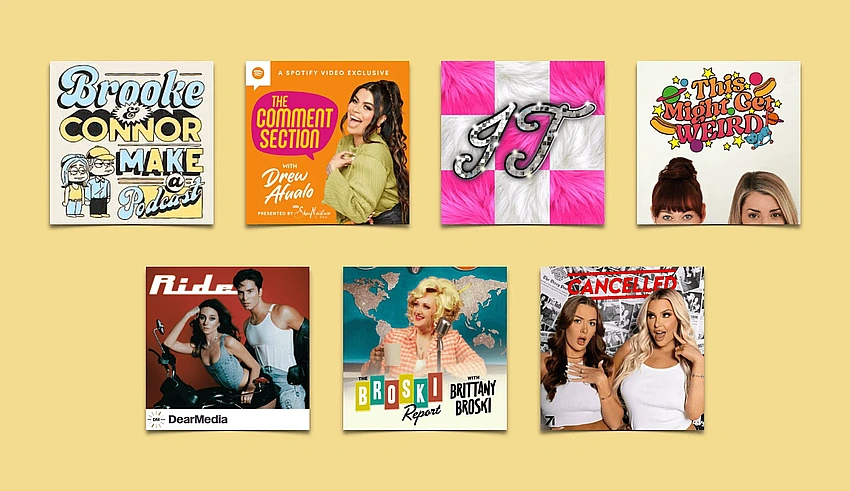
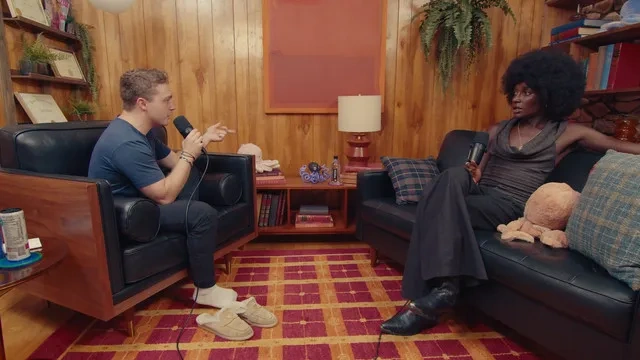
These are creators whose job is less to interrogate than to react: wide-eyed, squealing, endlessly “relatable”. They sit cross-legged on plush chairs or in neon-lit studios, trading in parasocial intimacy rather than critical distance.
There’s already a backlash. Entire video essays now dissect the rise of “TikTok-style” influencer interviews, arguing that unserious questions and performative fangirling have hollowed out the old idea of celebrity journalism. Online forums complain that many high-profile interviews feel like extended brand collabs, with hosts more interested in viral soundbites than in the artist’s work, politics or contradictions.
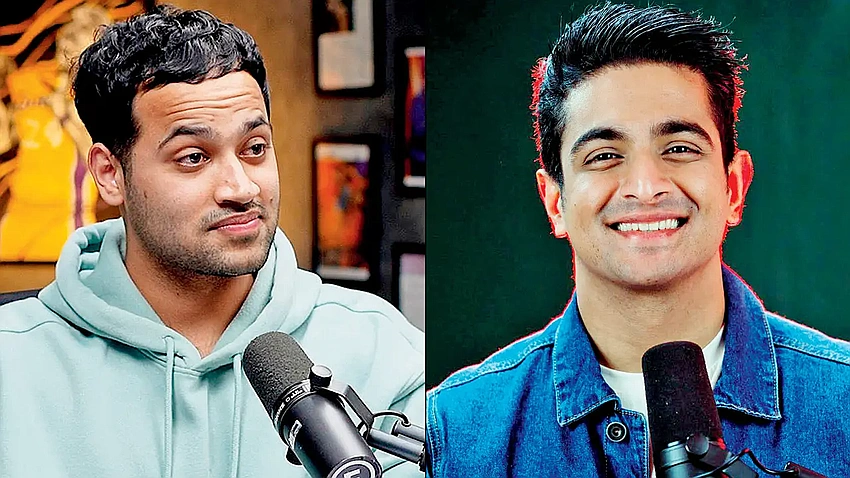
In a sense, this is exactly what influencer culture is built to do. Influencers specialise in blurring boundaries—between friendship and audience, between recommendation and advertisement, between authenticity and performance. Researchers and cultural critics have been tracing how this economy of “relatability” and carefully staged honesty reshapes our sense of truth and trust online. When these logics are applied to pop interviews, what we get is not investigative conversation but vibe management.
The host becomes a fan-proxy: “I’m just like you, sitting across from my fave.” The pop star becomes a kind of lifestyle object, folded into a content ecosystem where the point is not to reveal something difficult, but to maintain the illusion that everyone is already known and loved.
The slow death of music journalism
At the same time, artists no longer need critics to speak to their audiences. Social platforms, livestreams, newsletters and podcasts allow pop stars to narrate their own stories without a “professional” mediator. Why risk the discomfort of a probing conversation about power, race, labour or industry exploitation when you can appear on a friendly show and talk about morning routines and manifestation?
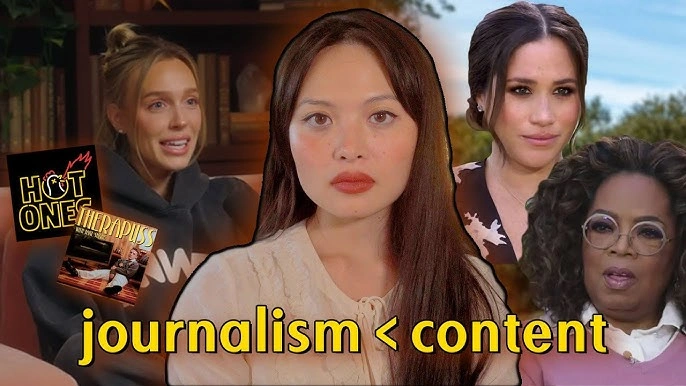
What disappears in this shift is not just a particular style of music writing, but a whole ecology of friction. The best traditional interviews were never neutral; they were sites of tension where artists could be held to account, misunderstood, pushed, or finally say the thing the label email told them not to say. That messiness produced knowledge. It also produced history.
What we lose when interviews become content
The influencer-podcast interview tends to flatten that complexity. Instead of a carefully structured piece that braids context, description and quotation, we get a carousel of 30-second clips designed to live or die on TikTok. Instead of follow-up questions, we get affirmations. Instead of “why did you make this choice?”, we get “omg, that is so real.”
This isn’t to romanticise the old music press, which was often sexist, hostile, or in bed with labels. But there is a qualitative difference between a journalist who has listened to the back catalogue and read the contract leaks, and an influencer whose research is primarily scrolling stan Twitter the night before. The pop star becomes yet another content node in a broader economy of lifestyle, wellness, aspiration and personal branding. Their art risks becoming secondary to their ability to perform intimacy on cue.
Is there a way back to “real” interviews?
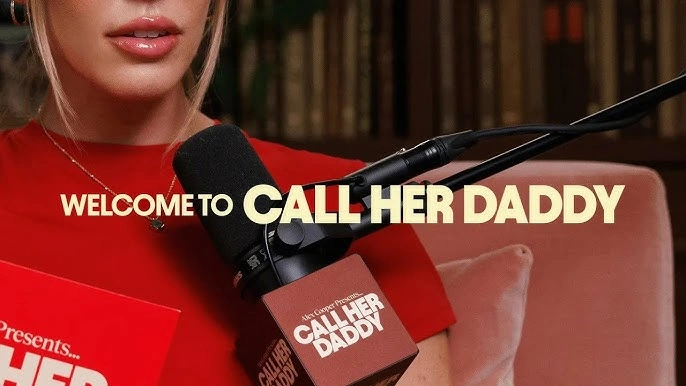
The story isn’t entirely bleak. Some artist-hosted podcasts do reach for depth, using the slower rhythm of audio to open up space for longform conversation rather than pure promotion such as Zane Lowe or Dua Lipa's Service 95. And in pockets of the internet, independent writers and newsletters are experimenting with new models for serious music criticism and interviews, even if the economics remain fragile.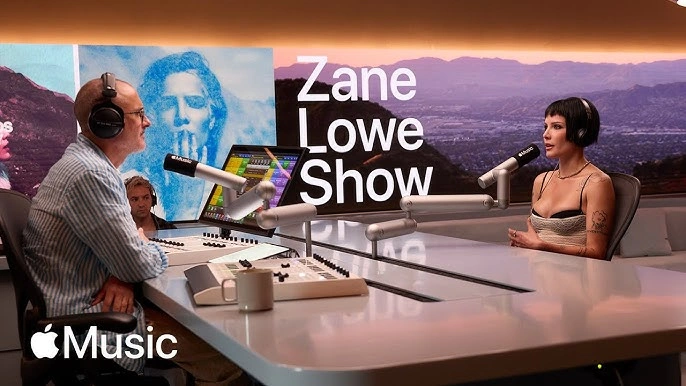
But it does feel, as a listener, like we’re in a transitional era. The old apparatus of the magazine profile is mostly gone; the new regime of influencer podcasting hasn’t yet figured out how to be genuinely interrogative without breaking the illusion of cosy intimacy that makes it profitable.
#PodcastCulture #PopStars #InterviewShift #MusicIndustry #DuaLipa #ZaneLowe #Therapuss #CallherDaddy
