Forced Friendship or Bullying? The Dark Side of “Everyone’s Included”
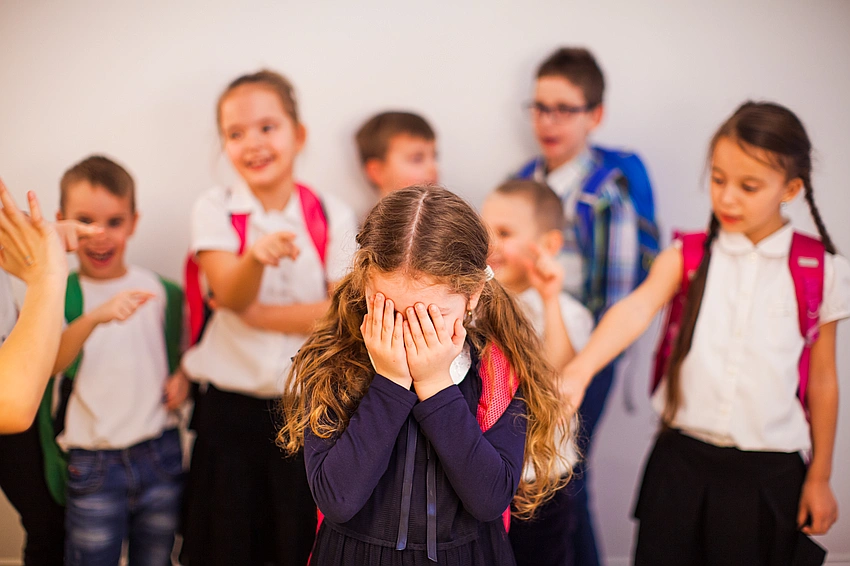
Forced Friendship or Bullying? The Dark Side of “Everyone’s Included”
Are we forcing our kids to be friends with everyone? Why should they have to like everyone in class?
“There are no enemies in this classroom. Everyone is a friend.”
My daughter’s teacher said this with the warmth of a TED Talk speaker, and the authority of a prison warden.
The sentence came with way more PTSD than I had imagined - getting slapped across the face by a girl much larger than the little me in my fifth grade - hard - all because I threw down a napkin I didn't realize was hers. The worst part was I didn't fight back, because I was afraid of getting hurt again.
I’m a young parent. I want my child to grow up kind, empathetic, emotionally intelligent. But lately, I’ve started questioning whether our obsession with “inclusion” is turning school into a place where kids can’t just be kids. Not every child clicks with every other child. Not every personality meshes. And forcing closeness - in the name of harmony - doesn’t create kindness. It creates pressure. It breeds resentment. It rewrites very normal childhood boundaries as “wrong.”
My daughter came home last week, frustrated and sad.
“I don’t want to sit with her, Mama. She pushes me and takes my pencils. But the teacher said I HAVE to be her friend.”
This isn’t inclusion. This is emotional coercion dressed as virtue.
We don’t expect adults to like everybody in their workspace. We don’t force office workers to pretend they bond with every colleague during lunch. We don’t tell grown-ups, “You’re not allowed to sit alone.” That would be absurd. But we do it to children every day, then call it kindness.
A teacher friend of mine put it bluntly the other night over dinner:
“Schools aren’t teaching friendship. They’re teaching compliance.”
And compliance is not empathy.
Here’s what actually happens when schools rewrite personal boundaries as moral failure:
- Kids lose the ability to say no
- Bullies get unearned access to their targets
- Popular kids are treated like villains for having preferences
- Quiet kids are treated like projects instead of people
- Real friendships, the deep, nourishing ones, never get the oxygen they need
And the worst part is that kids who get hurt in the name of “inclusion” get told they’re the problem.
My daughter didn’t just feel uncomfortable: she felt guilty for being uncomfortable. She was told the socially acceptable choice was to keep enduring a classmate who treated her badly, while smiling through it. The emotional labor of “making everyone feel included” fell on her tiny shoulders.
At what point did we confuse kindness with self-sacrifice?
I will teach my daughter compassion. I will teach her how to treat people fairly, respectfully, and gently. But I will also teach her:
- You don’t have to like everyone.
- You don’t have to be available to everyone.
- You’re allowed to set boundaries.
- Discomfort is not a moral debt.
Most importantly, not everyone in the world is a good person.
Children deserve the right to choose their friends, and to not choose their friends.
Inclusion shouldn’t mean all access to everyone’s time and heart.
It should mean no one is isolated, unsafe, or dehumanized.
There’s a difference between teaching kids not to be cruel and forcing them to give unlimited emotional intimacy to anyone who demands it. One creates a generation of emotionally healthy humans. The other creates a generation of people-pleasers who think saying “no” makes them bad.
So yes, I’ll be the parent who speaks up in the next PTA meeting. I’ll be the parent who says, out loud, what everyone whispers privately:
Friendship is voluntary. Inclusion without consent is tyranny in a cute poster. If schools truly want to raise kind children, they need to teach the principle adults live by every day:
We treat everyone with respect, but we get to choose who we let into our life.
