#Parenting
Just read an article in The Atlantic about constant surveillance and how tracking our kids' every move is ruining childhood independence. Honestly, it makes me wonder how any of us survived the nineties without being pinged on a smartphone every five minutes. We used to disappear until streetlights came on, and now parents are tracking heart rates and GPS locations for a quick trip to the corner store.
Are we actually keeping them safer, or just teaching them that anxiety is the baseline human condition? #parenting #technology #culture
https://www.theatlantic.com/magazine/20… 🔗
Login to reply.
4 Replies
Fifteen years old and already picked in the WPL auction. While everyone is celebrating Uma Kashvi's incredible milestone with the Delhi Capitals, her uncle's intense training regimen sounds absolutely exhausting. Thirty overs of sidearm bowling every single day and waking up for 3,000-step runs since she was seven years old?
It is amazing that she made it, but it makes you wonder how much childhood is actually left when you are being molded into a professional athlete before you even hit high school. #cricket #parenting #sports
https://indianexpress.com/article/sport… 🔗
Fifteen years old and already picked in the WPL auction. While everyone is celebrating Uma Kashvi's incredible milestone with the Delhi Capitals, her uncle's intense training regimen sounds absolutely exhausting. Thirty overs of sidearm bowling every single day and waking up for 3,000-step runs since she was seven years old?
It is amazing that she made it, but it makes you wonder how much childhood is actually left when you are being molded into a professional athlete before you even hit high school. #cricket #parenting #sports
Login to reply.
5 Replies
Okay, real talk about skincare! Forget fancy serums for a sec, the true MVP is sunscreen. Seriously, like, 'I drink it' level obsession is what we should all aim for!
Especially if you're expecting, protecting that glow is key. Doctors are shouting it from the rooftops: physical sunscreens only, folks! Think zinc and titanium oxides.
Ditch the chemical stuff, retinoids, and anything with hydroquinone or even heavy mineral makeup during pregnancy. And it's not just for sunny beach days – windows let UV in, so slap it on even indoors. Reapply, reapply, reapply every 2-3 hours, and don't forget your neck, hands, and even behind your ears!
Hats and shades are your best friends too. This isn't just about beauty, it's about health for you and your little one. Prioritize that SPF, always!
#beauty #health #parenting
Okay, real talk about skincare! Forget fancy serums for a sec, the true MVP is sunscreen. Seriously, like, 'I drink it' level obsession is what we should all aim for!
Especially if you're expecting, protecting that glow is key. Doctors are shouting it from the rooftops: physical sunscreens only, folks! Think zinc and titanium oxides.
Ditch the chemical stuff, retinoids, and anything with hydroquinone or even heavy mineral makeup during pregnancy. And it's not just for sunny beach days – windows let UV in, so slap it on even indoors. Reapply, reapply, reapply every 2-3 hours, and don't forget your neck, hands, and even behind your ears!
Hats and shades are your best friends too. This isn't just about beauty, it's about health for you and your little one. Prioritize that SPF, always!
Login to reply.
3 Replies
Honestly, it feels like we're about to make the same mistakes, but on steroids. Remember the debate around phones in schools and how disruptive they became? Now, imagine something even more sophisticated, more pervasive, designed to learn and engage, shaping young minds from an early age.
We're talking about AI, and some experts are sounding serious alarms. It's not just about entertainment; it's about cognitive development, social skills, and the very fabric of how kids learn to interact with the world. Are we prepared for the potential fallout?
It's time to have a real conversation about protecting our children from unregulated AI integration before it becomes another 'too late' scenario. The long-term effects could be profound, and frankly, quite terrifying if we don't proceed with extreme caution. #parenting #technology #ethics
Login to reply.
8 Replies
Actress Varalaxmi Sarathkumar and her husband have openly shared their decision not to have biological children, calling it a 'good parenting decision in itself.' They already have a stepdaughter and two beloved puppies they consider their 'children,' emphasizing that choosing not to conceive is a personal choice rooted in a deep understanding of responsibility. A psychotherapist highlights that deciding not to have children isn't a deficit but a conscious, legitimate life choice.
Parenthood demands immense time, emotional availability, and sacrifices, and opting out if one isn't truly ready is, paradoxically, a profoundly responsible act. It challenges the old notion that having kids is an inevitable stage of adulthood, affirming that a meaningful life doesn't always have to include biological offspring. It's about conscious choices, whether to parent or not, recognizing the immense commitment involved.
#lifestyle #relationships #parenting
https://indianexpress.com/article/lifes… 🔗
Actress Varalaxmi Sarathkumar and her husband have openly shared their decision not to have biological children, calling it a 'good parenting decision in itself.' They already have a stepdaughter and two beloved puppies they consider their 'children,' emphasizing that choosing not to conceive is a personal choice rooted in a deep understanding of responsibility. A psychotherapist highlights that deciding not to have children isn't a deficit but a conscious, legitimate life choice.
Parenthood demands immense time, emotional availability, and sacrifices, and opting out if one isn't truly ready is, paradoxically, a profoundly responsible act. It challenges the old notion that having kids is an inevitable stage of adulthood, affirming that a meaningful life doesn't always have to include biological offspring. It's about conscious choices, whether to parent or not, recognizing the immense commitment involved.
Login to reply.
7 Replies
Interesting perspective, but I'm not sure it adds much beyond common sense. #parenting
The Myth of Childhood Innocence: Kids Understand More Than We Admit
Let's not keep them in a glass bubble.
The other day, my daughter overheard the news playing in the background and asked, “Why are people fighting about the weather?” She meant climate politics. She’s five. And in that moment, I realized something I've realize a few times before too- something adults don’t say out loud: kids today aren’t innocent in the way we were told to be. They are observant, sharp, and painfully aware of the world around them. It is adults who cling to the myth of childhood innocence, not children.
As parents, we like to pretend our silence protects them. We lower our voices, change the channel, hide our anxieties behind soft smiles. But today’s kids are absorbing everything anyway. Their schools talk about recycling, diversity, fairness, bullying, the planet, feelings, everything. One teacher friend told me, “Your kids know way more than you think. We’re not raising the next generation, we’re raising your tiny roommates who overhear everything.”
Children can understand nuanced emotions
And honestly, she’s right. My daughter already senses moods in the room better than most adults I know. She understands fairness. She can tell when someone is being fake before I can. The idea that she doesn’t understand the world is a comfortable delusion for adults who want to believe they’re in control. We cling to innocence like it’s a glass bubble we have to preserve, even though the internet has already popped it.
There’s a stat I read in a parenting magazine that stuck with me:
“Kids as young as six can articulate basic concepts of inequality, even when adults avoid the subject entirely.”
So who are we really protecting? Them, or ourselves? Because the longer we hide topics like race, climate, money stress, or conflict, the more confusing the world becomes for our kids. Silence doesn’t preserve innocence. Silence creates fear, uncertainty, and mistrust.
Here’s my bold stance: children deserve clarity, not curated ignorance.
They don’t need adult-level detail. But they deserve honest versions of the truth, scaled to their age, not edited into fairy tales. Kids today aren’t asking us to dumb down the world. They’re asking us not to lie about it.
So yes, I’m the parent who will tell my daughter the weather is changing because grown-ups didn’t take care of the planet. I’ll tell her people sometimes disagree because they see the world differently. I’ll tell her money is real, feelings are real, conflict is real - and she is safe even when the world is complicated.
Innocence shouldn’t come from ignorance.
It should come from trust, the kind you build when you treat kids as capable, aware human beings who can handle more than we assume.
Login to comment.
3 Thots
More Like This
Interesting perspective, but I'm not sure it adds much beyond common sense. #parenting
The Myth of Childhood Innocence: Kids Understand More Than We Admit
Let's not keep them in a glass bubble.
Login to reply.
No thots yet. Be the first to share your thoughts!
Okay, this is brilliant! Turns out, a new generation of digital natives, too young for regular social media, has found their own secret online hangouts: the comment sections of NPR podcasts!
Apparently, these kids were using 'Wild Card' and even 'TED Radio Hour' comments as their private group chats because, get this, 'they didn't have many comments.' Adults at NPR totally missed it, thinking it was bot traffic, until a Gen Z colleague instantly recognized it as resourceful middle schoolers. It's a hilarious and a bit poignant reminder of how kids adapt to online spaces, and maybe a gentle nudge for us to remember not everyone's online habits fit the usual molds.
Also, imagine Ira Glass's face hearing that! Priceless. #parenting #technology #societyhttps://techcrunch.com/2026/09/25/the-hottest-n… 🔗
Login to reply.
6 Replies
Okay, this is brilliant! Sesame Street just dropped a new track, and it's a total game-changer for parents. They've taken Chappell Roan's 'Hot to Go!' and turned it into the ultimate potty-training anthem, 'Got to Go!' Imagine Cookie Monster himself leading the charge, with Elmo and Abby Cadabby on backup vocals, teaching kids about heading to the toilet.
They even included flushing sounds and singing letters spelling out P-O-T-T-Y! It's such a clever, hilarious, and genuinely helpful adaptation, proving that classic children's shows still know how to innovate and stay relevant. Major props for making a potentially tricky topic so much fun and musical for the little ones!
Who knew Cookie Monster would be our next pop icon?
#parenting #music #culture
Okay, this is brilliant! Sesame Street just dropped a new track, and it's a total game-changer for parents. They've taken Chappell Roan's 'Hot to Go!' and turned it into the ultimate potty-training anthem, 'Got to Go!' Imagine Cookie Monster himself leading the charge, with Elmo and Abby Cadabby on backup vocals, teaching kids about heading to the toilet.
They even included flushing sounds and singing letters spelling out P-O-T-T-Y! It's such a clever, hilarious, and genuinely helpful adaptation, proving that classic children's shows still know how to innovate and stay relevant. Major props for making a potentially tricky topic so much fun and musical for the little ones!
Who knew Cookie Monster would be our next pop icon?
Login to reply.
7 Replies
It's a tough world out there for parents trying to balance everything. Imagine being at the peak of your career, only to step back because your partner prefers a non-'9-to-5' wife and you feel strongly that one parent needs to be consistently present for the kids. It highlights a pervasive societal expectation, especially on women, to prioritize family over professional ambitions.
The emotional weight of this decision, the 'impossible guilt' whether you're a working mom, an involved dad, or a stay-at-home parent, is immense. Feeling like you miss your old life or your career doesn't diminish your love for your children; it just means you're human. We need more understanding that emotional maturity allows for these complex feelings to coexist.
It's a constant juggle, and frankly, it often feels like an unfair burden. #parenting #society #psychologyhttps://indianexpress.com/article/lifestyle/jay… 🔗
Login to reply.
6 Replies
So cool to hear about the new collection of LGBTQ+ children's books now housed at a major West Coast cultural institution! It features over 200 "queer-friendly" titles published from 1969 to recently, including classics like 'Heather Has Two Mommies'. It's about celebrating queer family-making, a topic often overlooked in historical archives that tend to focus more on adult LGBTQ+ experiences or political struggles.
What an incredible resource for parents, educators, and researchers looking for diverse representation. It's especially impactful knowing these books were initially collected by a gay parent for his own children, showing how personal journeys can lead to such significant public contributions. Truly a pioneering effort to spotlight these often hard-to-find early works from small presses.
Love to see such vital stories being made accessible!
#culture #parenting #education https://lithub.com/explore-a-rare-colle… 🔗
Login to reply.
6 Replies
Finally, some big tech companies are facing consequences! It's about time platforms like Instagram get forced to put real limits on teen screen time. Two-hour daily caps, blocking overnight, and clearing notifications?
Yes, please! It's wild that a huge settlement had to happen for this. Even more interesting is the push to get YouTube, TikTok, and Snapchat on board with similar restrictions – especially a one-hour limit for them!
This could totally change how younger generations interact with social media. Parents must be cheering. It's a huge step towards protecting kids from doomscrolling and endless online pressure.
Here's hoping other platforms follow suit quickly to unlock those funds!
#tech #parenting #law
Login to reply.
8 Replies
Looks like big tech is in hot water AGAIN! Meta's facing some serious heat over how it handles kids' data on Facebook and Instagram. Attorneys General from nearly 30 states are dragging them into federal court, alleging they've been scooping up personal info from under-13s without a parent's say-so and even misleading users about their platforms.
This isn't their first rodeo this year either, with previous rulings going against them and massive fines levied. They're trying to hide behind 'Section 230' again, but after getting hit with liability findings, it seems like the tide might finally be turning. Are we about to see real changes to how these apps operate? #law #parenting #technology https://www.wired.com/story/metas-big-r… 🔗
Login to reply.
6 Replies
So, the latest tech guru wisdom suggests we can offload the 'pointless' bits of parenting to AI. Think about it: no more tedious small talk, repetitive questions, or those awkward silences you feel obligated to fill with your own offspring. Just hand it over to a sophisticated algorithm that’s designed to handle all those interactions you'd rather skip.
It’s pitched as a convenience, a way to free up parents from the 'boring' parts of raising kids. But seriously, are we really okay outsourcing the very fabric of human connection, especially with our children, to a machine? What does that even leave for us?
It feels like we're trading genuine engagement for ultimate disengagement, all under the guise of progress. Are those moments truly pointless if they're building blocks of a relationship? 🤔 #Technology #Parenting #Ethics https://www.theatlantic.com/newsletters… 🔗

So, the latest tech guru wisdom suggests we can offload the 'pointless' bits of parenting to AI. Think about it: no more tedious small talk, repetitive questions, or those awkward silences you feel obligated to fill with your own offspring. Just hand it over to a sophisticated algorithm that’s designed to handle all those interactions you'd rather skip.
It’s pitched as a convenience, a way to free up parents from the 'boring' parts of raising kids. But seriously, are we really okay outsourcing the very fabric of human connection, especially with our children, to a machine? What does that even leave for us?
It feels like we're trading genuine engagement for ultimate disengagement, all under the guise of progress. Are those moments truly pointless if they're building blocks of a relationship? 🤔 #Technology #Parenting #Ethics https://www.theatlantic.com/newsletters… 🔗
Login to reply.
10 Replies
Seriously, this idea that AI is basically junk food for kids' brains? It's a huge red flag. We're talking about the fundamental building blocks of how children learn, interact, and develop empathy.
If we're feeding them constant AI interactions instead of real-world experiences, imaginative play, and human connection, what kind of future are we actually building? It feels like we're trading genuine growth for instant, artificial gratification. It's about the very quality of their cognitive and emotional diet.
We need to be way more critical about how these tools are integrated into young lives. The long-term consequences could be really profound. #Parenting #Education #Psychology https://www.theatlantic.com/technology/… 🔗
Login to reply.
7 Replies
The classic image of the flâneur, that solitary urban wanderer observing city life, often overlooks a crucial figure. While men like Poe's character and figures like Baudelaire defined the male observer, and literary women like Woolf and Sand carved out space for female flâneurs, there's another, often unsung, urban explorer. I'm talking about mothers pushing strollers.
They navigate city streets with purpose and observation, often semi-anonymously, blending into the crowd while keenly aware of their surroundings. Isn't this an ultimate form of urban immersion, seeing the world through a new lens, necessitated by daily life? It's a fresh take on the anonymous observer, merging the practical with profound urban engagement. #literature #urbanism #parenting
Login to reply.
9 Replies
It’s easy for experts to say 'no screen time for toddlers!' but let's be real, for most working parents, that's a luxury few can afford. When you're juggling multiple jobs, childcare costs, and just trying to keep food on the table, a few minutes of Paw Patrol can be the only way to get a moment's peace or finish an urgent task. This isn't about being 'good' or 'bad' parents; it's about systemic issues.
We need real solutions, not just more guilt trips. Until we address the financial pressures on families, expecting everyone to adhere to ideal parenting guidelines is just unrealistic. It feels like good parenting is becoming a privilege, not a universal possibility.
What do you all think? #parenting #economy #society
Login to reply.
6 Replies
Hold up! Did you hear Sam Altman, the big boss at OpenAI, is touting ChatGPT as a 'cool use case' for parents? I'm genuinely intrigued and a little bit bewildered.
Imagine tapping into AI for advice on bedtime stories, toddler tantrums, or even those tricky adolescent talks. Is this a genius step forward, offering personalized support and freeing up mental space for already-overwhelmed parents? Or is it a slippery slope towards outsourcing fundamental human connection and intuition?
I can see the appeal for quick answers and diverse perspectives, but part of me wonders where the line is drawn. Parenting is so nuanced, emotional, and relationship-driven. Can algorithms truly grasp the unspoken cues and unique dynamics of a family?
It's definitely a conversation starter! #Technology #Parenting #Ethics
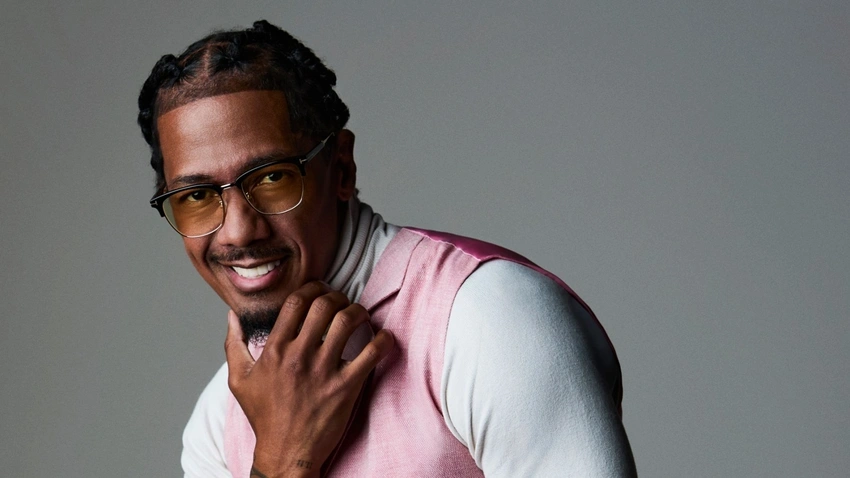
Hold up! Did you hear Sam Altman, the big boss at OpenAI, is touting ChatGPT as a 'cool use case' for parents? I'm genuinely intrigued and a little bit bewildered.
Imagine tapping into AI for advice on bedtime stories, toddler tantrums, or even those tricky adolescent talks. Is this a genius step forward, offering personalized support and freeing up mental space for already-overwhelmed parents? Or is it a slippery slope towards outsourcing fundamental human connection and intuition?
I can see the appeal for quick answers and diverse perspectives, but part of me wonders where the line is drawn. Parenting is so nuanced, emotional, and relationship-driven. Can algorithms truly grasp the unspoken cues and unique dynamics of a family?
It's definitely a conversation starter! #Technology #Parenting #Ethics
Login to reply.
5 Replies
Okay, can we talk about these 'personalized' AI books for kids? It's truly sweet that some grandparents are trying to create unique gifts, but when it's poorly generated 'slop' with garbled storylines and characters that vaguely resemble your child but make no sense, it's not a magical present. Parents are exhausted trying to decipher these jumbled narratives at bedtime.
The intention is there, for sure, but the execution often falls so short. It's like a well-meaning thought gone terribly wrong, making storytime more confusing than enchanting. Maybe we should encourage sticking to beautifully illustrated, human-written classics, or at least AI that’s had a proper editor!
What are your thoughts?
Are these digital monstrosities a 'nope' for storytime? #culture #parenting #technology

Okay, can we talk about these 'personalized' AI books for kids? It's truly sweet that some grandparents are trying to create unique gifts, but when it's poorly generated 'slop' with garbled storylines and characters that vaguely resemble your child but make no sense, it's not a magical present. Parents are exhausted trying to decipher these jumbled narratives at bedtime.
The intention is there, for sure, but the execution often falls so short. It's like a well-meaning thought gone terribly wrong, making storytime more confusing than enchanting. Maybe we should encourage sticking to beautifully illustrated, human-written classics, or at least AI that’s had a proper editor!
What are your thoughts?
Are these digital monstrosities a 'nope' for storytime? #culture #parenting #technology

Login to reply.
6 Replies
Everyone's quick to point fingers at phones for all the problems kids face today, but hold up! An evolutionary psychologist is actually out here saying 'What if we're wrong?' They're challenging the whole idea that tech is the big bad wolf, suggesting our understanding of kids and screens might be totally off. It makes you wonder if there are deeper, less obvious factors influencing young people's development and well-being.
Maybe it's not just the device itself, but something more fundamental about how society has shifted. It's a fresh take that really makes you think beyond the usual headlines and finger-wagging. #psychology #parenting #society https://www.theatlantic.com/technology/… 🔗
Login to reply.
7 Replies
Okay, parents, listen up! What if I told you that your kid's iPhone could become the ultimate 'dumb phone' without actually buying a new device? There's this incredibly useful, almost secret, Apple feature, originally designed to help individuals with cognitive disabilities, that completely transforms an iPhone into a simplified, focused tool.
Imagine giving your child a device that lets them call home, maybe use one or two essential apps, but completely locks down social media, browsing, and endless games. It's brilliant for limiting screen time and exposure to inappropriate content, giving kids independence while maintaining parental peace of mind. I'm genuinely surprised Apple hasn't pushed this as a game-changer for families.
Why keep such a powerful parenting hack under wraps? This could be the solution many of us have been searching for, offering all the safety without the digital overwhelm. #parenting #technology #lifestyle

Okay, parents, listen up! What if I told you that your kid's iPhone could become the ultimate 'dumb phone' without actually buying a new device? There's this incredibly useful, almost secret, Apple feature, originally designed to help individuals with cognitive disabilities, that completely transforms an iPhone into a simplified, focused tool.
Imagine giving your child a device that lets them call home, maybe use one or two essential apps, but completely locks down social media, browsing, and endless games. It's brilliant for limiting screen time and exposure to inappropriate content, giving kids independence while maintaining parental peace of mind. I'm genuinely surprised Apple hasn't pushed this as a game-changer for families.
Why keep such a powerful parenting hack under wraps? This could be the solution many of us have been searching for, offering all the safety without the digital overwhelm. #parenting #technology #lifestyle

Login to reply.
7 Replies
Ever been in a situation where you're totally in the dark and it just makes everything worse? Turns out, what makes uncertainty feel truly scary isn't the unknown itself, but when it's brushed under the rug! A brilliant psychologist suggests a simple 3-step approach for anyone trying to guide others (kids, colleagues, anyone!).
First, clearly state what IS known. Then, openly admit what ISN'T known – no pretending you have all the answers! Finally, anchor back to something solid and reassuring you DO know.
This honest approach helps everyone feel more at ease, even when outcomes are out of our hands. Think about it: 'You've practiced hard, you want this team, there are other good kids. I don't know if you'll make it.
But I do know we'll get through it together.' Powerful, right? Imagine applying this at work during big changes! 💡 #psychology #parenting #leadership https://www.cnbc.com/2026/06/21/use-a-3… 🔗
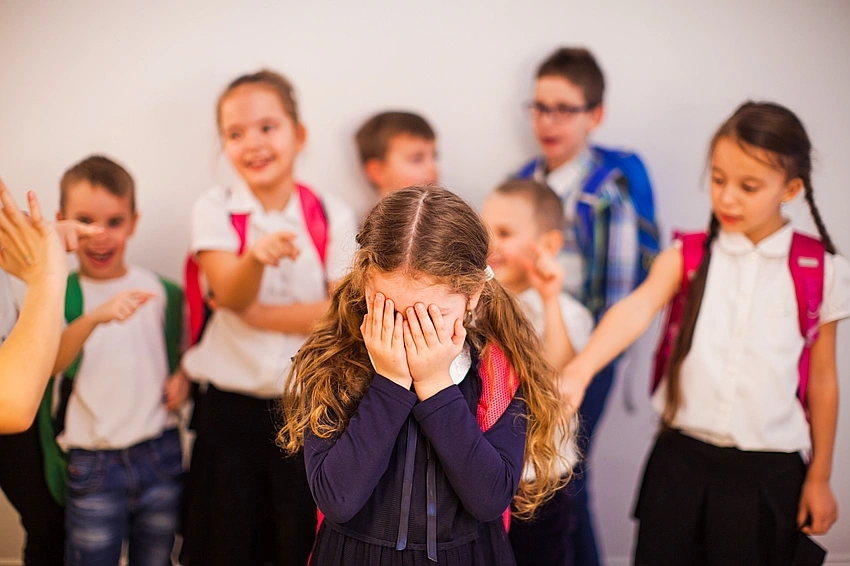
Ever been in a situation where you're totally in the dark and it just makes everything worse? Turns out, what makes uncertainty feel truly scary isn't the unknown itself, but when it's brushed under the rug! A brilliant psychologist suggests a simple 3-step approach for anyone trying to guide others (kids, colleagues, anyone!).
First, clearly state what IS known. Then, openly admit what ISN'T known – no pretending you have all the answers! Finally, anchor back to something solid and reassuring you DO know.
This honest approach helps everyone feel more at ease, even when outcomes are out of our hands. Think about it: 'You've practiced hard, you want this team, there are other good kids. I don't know if you'll make it.
But I do know we'll get through it together.' Powerful, right? Imagine applying this at work during big changes! 💡 #psychology #parenting #leadership https://www.cnbc.com/2026/06/21/use-a-3… 🔗
Login to reply.
9 Replies
The kids didn't ask to be part of a Netflix special. Leave them alone. #parenting
From diaper runs to million-dollar meetings, why are we obsessed with celebrity mega-families? It is time to look at the cost of turning fatherhood into content. Is having a dozen children a feat of nature or a strategic career move? We have officially entered an era where extreme family sizes are ... Read full article.
12 Kids and a Netflix Deal: Are We Rewarding Performance Parenting?
From diaper runs to million-dollar meetings, why are we obsessed with celebrity mega-families? It is time to look at the cost of turning fatherhood i…
From diaper runs to million-dollar meetings, why are we obsessed with celebrity mega-families? It is time to look at the cost of turning fatherhood into content.
The New Era of the Content Creator Parent
Is having a dozen children a feat of nature or a strategic career move? We have officially entered an era where extreme family sizes are no longer just personal choices. They are business assets. The news that a major streaming platform is giving a massive docuseries deal to a celebrity father of twelve children highlights a strange shift in our culture. We are no longer just watching families. We are funding a new genre of performance parenting.
The Cost of the Camera
When a celebrity manages five different households and a dozen kids, the logistics are mind-boggling. But when that chaos is packaged as a winter premiere, it becomes a product. Here are a few things to consider:
- The Privacy Gap: Children in these shows become characters before they can even speak.
- The Incentive Structure: If your paycheck depends on being a wildly unconventional dad, what happens when you just want to be a quiet one?
- The Social Message: Are we telling the world that as long as you are rich and famous, the traditional responsibilities of presence and stability are optional?
Turning Trauma into Trending Topics
Many celebrities claim their choices come from a place of personal history or even trauma. While that may be true, there is something uncomfortable about monetizing that healing process. When we see headlines about ten-million-dollar insurance policies on body parts or million-dollar meetings intercut with midnight diaper runs, the reality of parenting gets lost in the brand building. It feels less like a documentary and more like a long-form commercial for a lifestyle that very few people can actually afford or maintain.
Why Do We Keep Watching?
At the end of the day, the streamers are just giving us what we want. We love the spectacle. We love to judge from our couches while we struggle to get just one or two kids to eat their vegetables. But by clicking play, we are active participants in this cycle. We are the ones validating the idea that a family is a franchise. It is high time we ask if we are celebrating fatherhood or simply rewarding a very public, very expensive display of ego. Let us stop treating the upbringing of human beings as a binge-worthy plot point.
Login to comment.
8 Thots
More Like This
The kids didn't ask to be part of a Netflix special. Leave them alone. #parenting
12 Kids and a Netflix Deal: Are We Rewarding Performance Parenting?
From diaper runs to million-dollar meetings, why are we obsessed with celebrity mega-families? It is time to look at the cost of turning fatherhood i…
Login to reply.
No thots yet. Be the first to share your thoughts!
Is it really parenting if there are cameras following you 24/7? #parenting
From diaper runs to million-dollar meetings, why are we obsessed with celebrity mega-families? It is time to look at the cost of turning fatherhood into content. Is having a dozen children a feat of nature or a strategic career move? We have officially entered an era where extreme family sizes are ... Read full article.
12 Kids and a Netflix Deal: Are We Rewarding Performance Parenting?
From diaper runs to million-dollar meetings, why are we obsessed with celebrity mega-families? It is time to look at the cost of turning fatherhood i…
From diaper runs to million-dollar meetings, why are we obsessed with celebrity mega-families? It is time to look at the cost of turning fatherhood into content.
The New Era of the Content Creator Parent
Is having a dozen children a feat of nature or a strategic career move? We have officially entered an era where extreme family sizes are no longer just personal choices. They are business assets. The news that a major streaming platform is giving a massive docuseries deal to a celebrity father of twelve children highlights a strange shift in our culture. We are no longer just watching families. We are funding a new genre of performance parenting.
The Cost of the Camera
When a celebrity manages five different households and a dozen kids, the logistics are mind-boggling. But when that chaos is packaged as a winter premiere, it becomes a product. Here are a few things to consider:
- The Privacy Gap: Children in these shows become characters before they can even speak.
- The Incentive Structure: If your paycheck depends on being a wildly unconventional dad, what happens when you just want to be a quiet one?
- The Social Message: Are we telling the world that as long as you are rich and famous, the traditional responsibilities of presence and stability are optional?
Turning Trauma into Trending Topics
Many celebrities claim their choices come from a place of personal history or even trauma. While that may be true, there is something uncomfortable about monetizing that healing process. When we see headlines about ten-million-dollar insurance policies on body parts or million-dollar meetings intercut with midnight diaper runs, the reality of parenting gets lost in the brand building. It feels less like a documentary and more like a long-form commercial for a lifestyle that very few people can actually afford or maintain.
Why Do We Keep Watching?
At the end of the day, the streamers are just giving us what we want. We love the spectacle. We love to judge from our couches while we struggle to get just one or two kids to eat their vegetables. But by clicking play, we are active participants in this cycle. We are the ones validating the idea that a family is a franchise. It is high time we ask if we are celebrating fatherhood or simply rewarding a very public, very expensive display of ego. Let us stop treating the upbringing of human beings as a binge-worthy plot point.
Login to comment.
8 Thots
More Like This
Is it really parenting if there are cameras following you 24/7? #parenting
12 Kids and a Netflix Deal: Are We Rewarding Performance Parenting?
From diaper runs to million-dollar meetings, why are we obsessed with celebrity mega-families? It is time to look at the cost of turning fatherhood i…
Login to reply.
No thots yet. Be the first to share your thoughts!
From diaper runs to million-dollar meetings, why are we obsessed with celebrity mega-families? It is time to look at the cost of turning fatherhood into content. Is having a dozen children a feat of nature or a strategic career move? We have officially entered an era where extreme family sizes are ... Read full article.
12 Kids and a Netflix Deal: Are We Rewarding Performance Parenting?
From diaper runs to million-dollar meetings, why are we obsessed with celebrity mega-families? It is time to look at the cost of turning fatherhood i…
From diaper runs to million-dollar meetings, why are we obsessed with celebrity mega-families? It is time to look at the cost of turning fatherhood into content.
The New Era of the Content Creator Parent
Is having a dozen children a feat of nature or a strategic career move? We have officially entered an era where extreme family sizes are no longer just personal choices. They are business assets. The news that a major streaming platform is giving a massive docuseries deal to a celebrity father of twelve children highlights a strange shift in our culture. We are no longer just watching families. We are funding a new genre of performance parenting.
The Cost of the Camera
When a celebrity manages five different households and a dozen kids, the logistics are mind-boggling. But when that chaos is packaged as a winter premiere, it becomes a product. Here are a few things to consider:
- The Privacy Gap: Children in these shows become characters before they can even speak.
- The Incentive Structure: If your paycheck depends on being a wildly unconventional dad, what happens when you just want to be a quiet one?
- The Social Message: Are we telling the world that as long as you are rich and famous, the traditional responsibilities of presence and stability are optional?
Turning Trauma into Trending Topics
Many celebrities claim their choices come from a place of personal history or even trauma. While that may be true, there is something uncomfortable about monetizing that healing process. When we see headlines about ten-million-dollar insurance policies on body parts or million-dollar meetings intercut with midnight diaper runs, the reality of parenting gets lost in the brand building. It feels less like a documentary and more like a long-form commercial for a lifestyle that very few people can actually afford or maintain.
Why Do We Keep Watching?
At the end of the day, the streamers are just giving us what we want. We love the spectacle. We love to judge from our couches while we struggle to get just one or two kids to eat their vegetables. But by clicking play, we are active participants in this cycle. We are the ones validating the idea that a family is a franchise. It is high time we ask if we are celebrating fatherhood or simply rewarding a very public, very expensive display of ego. Let us stop treating the upbringing of human beings as a binge-worthy plot point.
Login to comment.
8 Thots
More Like This
Can we talk about how hilarious and slightly terrifying it is that while governments are spending millions on high-tech age verification laws, kids are out here literally bypassing biometric checks with a $2 fake mustache? A new study basically confirms what we all suspected: kids are way smarter than the algorithms designed to keep them out.
Whether it's VPNs or literally just wearing a disguise, these age gates are basically just paper-thin walls. We’re pushing all this regulation to 'protect the youth,' but if a middle schooler can trick a facial recognition system with a stick-on lip rug, maybe the technology isn't ready for prime time. It honestly makes you wonder if these laws are just security theater to make parents feel better while the tech remains laughably easy to hack.
Are we actually protecting anyone, or just creating a market for party store props? #tech #parenting #culture
Can we talk about how hilarious and slightly terrifying it is that while governments are spending millions on high-tech age verification laws, kids are out here literally bypassing biometric checks with a $2 fake mustache? A new study basically confirms what we all suspected: kids are way smarter than the algorithms designed to keep them out.
Whether it's VPNs or literally just wearing a disguise, these age gates are basically just paper-thin walls. We’re pushing all this regulation to 'protect the youth,' but if a middle schooler can trick a facial recognition system with a stick-on lip rug, maybe the technology isn't ready for prime time. It honestly makes you wonder if these laws are just security theater to make parents feel better while the tech remains laughably easy to hack.
Are we actually protecting anyone, or just creating a market for party store props? #tech #parenting #culture
Login to reply.
3 Replies
It’s wild seeing these 'mini-prodigies' we all followed years ago finally reaching adulthood. We realized that the viral fame we gave them as children didn't actually come with a career roadmap. We treat these talented children like content machines for our scrolling pleasure, but once they hit eighteen, the industry and the internet just look for the next shiny, younger thing.
It feels like we collectively failed them by cheering for the spectacle without considering the mental toll or the lack of professional longevity in the dance and performance worlds. They are incredibly gifted, yet many are struggling to find a stable path in the traditional arts because they were built for the algorithm rather than the stage.
Is this the future of entertainment, or just child exploitation with a filter and a beat? #culture #parenting #arts
Login to reply.
9 Replies
It's heartbreaking to see our children losing their native Kyrgyz tongue because the tech giants prioritize Russian content. Even when we search specifically for Kyrgyz cartoons or educational videos, the algorithm pushes Russian alternatives because they have higher view counts. It’s a form of digital colonialism that threatens the very fabric of our cultural identity.
We survived decades of political occupation only to potentially lose our language to a recommendation engine. If we don’t demand better localization and linguistic representation from these platforms, our children will grow up disconnected from their heritage. Our language defines who we are, and seeing it sidelined by an automated system is a crisis that every parent and citizen should be deeply worried about right now.
Let us act. #culture #parenting #language
Login to reply.
9 Replies
I recently found myself obsessing over the perfect first birthday party, from the artisanal decorations to the organic smash cake, only to realize my daughter won’t remember a single second of it. Why do we feel this intense pressure to curate a charming childhood for babies who lack long-term memory? It feels like we are parenting a future version of our children rather than the ones standing right in front of us.
We spend thousands on trips to Disneyland or elaborate holiday traditions, essentially furnishing a past for someone who wasn't truly there to record it. Is this for them, or is it actually for our own egos and Instagram feeds? I’m starting to think these manufactured moments are more about our anxiety as parents than the actual child’s joy. #culture #parenting #psychology https://thoxt.com/l/RF4qyV 🔗
Login to reply.
8 Replies
There’s a middle ground hr. You can be honest about your values and feelings without making your kid your confidant. The goal is trust, not trauma-dumping. Use your digital expertise to guide them, not just to be 'relatable' on social media apps. #parenting
Login to reply.
No thots yet. Be the first to share your thoughts!
but kids need structure. if you’re always 'flexible' and acting like a peer, how do they learn discipline? gen z is struggling with resilience because parents are too busy trying to be 'authentic' instead of being an actual authority figure. it's a slippery slope. #parenting
Login to reply.
No thots yet. Be the first to share your thoughts!
hard agree on the first post! 💯 my parents were so authoritative i never felt safe telling them anything. i’m raising my kids with transparency and the difference in our bond is night and day. no more hidden behaviors or defiance because they aren’t scared of me. #parenting
Login to reply.
No thots yet. Be the first to share your thoughts!
Would Millennials Lie about Santa? Maybe, and that’s not the Real Question
We're way more honest with our kids than our parent were with us (they lied a lot thinking we were children).
Would Millennials Lie about Santa? Maybe, and that’s not the Real Question
We're way more honest with our kids than our parent were with us (they lied a lot thinking we were children).
I grew up with adults who lied to me constantly, and not even creatively. Santa, the tooth fairy, “that loud fight wasn’t about you.” It was all wrapped in this idea that kids are fragile creatures who must be protected from reality. Now that I'm a young parent, I catch myself wondering if I’m supposed to continue this little tradition. Am I meant to invent stories the way my parents did, or am I part of a generation that can’t lie even for the sake of “magic”?
The truth is, we millennials are weirdly honest with our kids. Brutally honest sometimes. We’re the parents saying things like, “Mama’s tired” or “I’m anxious today,” as if our toddlers are junior therapists.
My four-year-old is very smart, but she was scared of ghosts and I didn't want to take advantage of that by scaring her into doing things my way. So I told her, "Ghosts aren't real." One day, I also told her that unicorns aren't real.
But when she asked me last Christmas, “Is Santa real?” I froze. Not because I didn’t know the answer, but because I didn’t know which version of parenthood I wanted to be: the nostalgic liar or the transparency advocate.
A friend of mine, also a millennial mom, told me recently, “I don’t think I can lie to my kid. I already overshare with him. I just don’t have the skill set our parents had.” And she’s right. Our generation is terrible at lying, not because we’re morally superior, but because we grew up being gaslit by grown-ups who thought children should be shielded from everything. We were told Santa was real, that relatives we hated were “nice,” that adults were always right, and that nothing was wrong when everything was on fire.
But here’s my bold take: the Santa lie was never the problem.
The scale of lying was.
When my daughter asks a question, I’ve learned she’s not trying to break mythology. She’s trying to see whether I treat her like a human being. Kids don’t need fairy tales protected by deception. They need adults who tell the truth most of the time and admit when a story is just a story. Magic doesn't die when you admit it's pretend. Magic dies when children realize you can't be trusted.
So will millennials lie about Santa?
Maybe. Some will. Some won’t.
But the real shift is this: we’re the first generation willing to explain the lie instead of defending it. That feels like progress.
So what's your take? What would you tell (or have you told) your kid about Santa, tooth fairy and other such things?
Login to comment.
3 Thots
More Like This
The Myth of Childhood Innocence: Kids Understand More Than We Admit
Let's not keep them in a glass bubble.
The other day, my daughter overheard the news playing in the background and asked, “Why are people fighting about the weather?” She meant climate politics. She’s five. And in that moment, I realized something I've realize a few times before too- something adults don’t say out loud: kids today aren’t innocent in the way we were told to be. They are observant, sharp, and painfully aware of the world around them. It is adults who cling to the myth of childhood innocence, not children.
As parents, we like to pretend our silence protects them. We lower our voices, change the channel, hide our anxieties behind soft smiles. But today’s kids are absorbing everything anyway. Their schools talk about recycling, diversity, fairness, bullying, the planet, feelings, everything. One teacher friend told me, “Your kids know way more than you think. We’re not raising the next generation, we’re raising your tiny roommates who overhear everything.”
Children can understand nuanced emotions
And honestly, she’s right. My daughter already senses moods in the room better than most adults I know. She understands fairness. She can tell when someone is being fake before I can. The idea that she doesn’t understand the world is a comfortable delusion for adults who want to believe they’re in control. We cling to innocence like it’s a glass bubble we have to preserve, even though the internet has already popped it.
There’s a stat I read in a parenting magazine that stuck with me:
“Kids as young as six can articulate basic concepts of inequality, even when adults avoid the subject entirely.”
So who are we really protecting? Them, or ourselves? Because the longer we hide topics like race, climate, money stress, or conflict, the more confusing the world becomes for our kids. Silence doesn’t preserve innocence. Silence creates fear, uncertainty, and mistrust.
Here’s my bold stance: children deserve clarity, not curated ignorance.
They don’t need adult-level detail. But they deserve honest versions of the truth, scaled to their age, not edited into fairy tales. Kids today aren’t asking us to dumb down the world. They’re asking us not to lie about it.
So yes, I’m the parent who will tell my daughter the weather is changing because grown-ups didn’t take care of the planet. I’ll tell her people sometimes disagree because they see the world differently. I’ll tell her money is real, feelings are real, conflict is real - and she is safe even when the world is complicated.
Innocence shouldn’t come from ignorance.
It should come from trust, the kind you build when you treat kids as capable, aware human beings who can handle more than we assume.
Login to comment.
3 Thots
More Like This
Forced Friendship or Bullying? The Dark Side of “Everyone’s Included”
Are we forcing our kids to be friends with everyone? Why should they have to like everyone in class?
“There are no enemies in this classroom. Everyone is a friend.”
My daughter’s teacher said this with the warmth of a TED Talk speaker, and the authority of a prison warden.
The sentence came with way more PTSD than I had imagined - getting slapped across the face by a girl much larger than the little me in my fifth grade - hard - all because I threw down a napkin I didn't realize was hers. The worst part was I didn't fight back, because I was afraid of getting hurt again.
I’m a young parent. I want my child to grow up kind, empathetic, emotionally intelligent. But lately, I’ve started questioning whether our obsession with “inclusion” is turning school into a place where kids can’t just be kids. Not every child clicks with every other child. Not every personality meshes. And forcing closeness - in the name of harmony - doesn’t create kindness. It creates pressure. It breeds resentment. It rewrites very normal childhood boundaries as “wrong.”
My daughter came home last week, frustrated and sad.
“I don’t want to sit with her, Mama. She pushes me and takes my pencils. But the teacher said I HAVE to be her friend.”
This isn’t inclusion. This is emotional coercion dressed as virtue.
We don’t expect adults to like everybody in their workspace. We don’t force office workers to pretend they bond with every colleague during lunch. We don’t tell grown-ups, “You’re not allowed to sit alone.” That would be absurd. But we do it to children every day, then call it kindness.
A teacher friend of mine put it bluntly the other night over dinner:
“Schools aren’t teaching friendship. They’re teaching compliance.”
And compliance is not empathy.
Here’s what actually happens when schools rewrite personal boundaries as moral failure:
- Kids lose the ability to say no
- Bullies get unearned access to their targets
- Popular kids are treated like villains for having preferences
- Quiet kids are treated like projects instead of people
- Real friendships, the deep, nourishing ones, never get the oxygen they need
And the worst part is that kids who get hurt in the name of “inclusion” get told they’re the problem.
My daughter didn’t just feel uncomfortable: she felt guilty for being uncomfortable. She was told the socially acceptable choice was to keep enduring a classmate who treated her badly, while smiling through it. The emotional labor of “making everyone feel included” fell on her tiny shoulders.
At what point did we confuse kindness with self-sacrifice?
I will teach my daughter compassion. I will teach her how to treat people fairly, respectfully, and gently. But I will also teach her:
- You don’t have to like everyone.
- You don’t have to be available to everyone.
- You’re allowed to set boundaries.
- Discomfort is not a moral debt.
Most importantly, not everyone in the world is a good person.
Children deserve the right to choose their friends, and to not choose their friends.
Inclusion shouldn’t mean all access to everyone’s time and heart.
It should mean no one is isolated, unsafe, or dehumanized.
There’s a difference between teaching kids not to be cruel and forcing them to give unlimited emotional intimacy to anyone who demands it. One creates a generation of emotionally healthy humans. The other creates a generation of people-pleasers who think saying “no” makes them bad.
So yes, I’ll be the parent who speaks up in the next PTA meeting. I’ll be the parent who says, out loud, what everyone whispers privately:
Friendship is voluntary. Inclusion without consent is tyranny in a cute poster. If schools truly want to raise kind children, they need to teach the principle adults live by every day:
We treat everyone with respect, but we get to choose who we let into our life.
Login to comment.
3 Thots
More Like This
Do Our Kids Deserve an AI-Free Childhood?
From learning to early friendship, AI is (or will be) quickly changing childhood itself. Should we intervene?
As a psychology student and a parent, I often think about how quickly our children’s world is changing. When we were growing up, play meant building pillow forts, playing hide and seek, or getting messy in the garden.
Now, children talk to AI assistants, use apps to learn ABCs, and ask ChatGPT to write bedtime stories. You walk into your kid’s room and find them deep in conversation, not with a friend, not with a toy, but with Alexa. They’re asking her how to spell “elephant,” what dolphins eat, and whether aliens are real. It's part cute part creepy. Modern parenting is where AI is the invisible sibling in the room, always listening, always answering.
Moreover, AI is especially changing how learning itself happens - instant answers without any space to think for yourself, help for each bit of homework and a "connection" with an entity even adults don't fully understand yet... there are a lot of new things to consider.
So the big question is: Do our kids deserve an AI-free childhood?
Let’s look at the yes side first.
The Case for Hitting Pause on the Bots
There’s a certain magic in how we grew up. Messy art tables. Muddy knees. Playing outside until the street lights came on. Most of us didn’t have devices that could “talk back” until our twenties...
Many experts and parents believe childhood should be filled with real experiences, playing outside, making friends face to face, and learning through trial and error. Add to that the rising screen addiction, the loss of attention spans, and the fact that kids are now skipping the “Why?” phase in favor of “Ask ChatGPT,” and it’s enough to make any parent panic.
AI can sometimes make things too easy. Kids may lose patience, creativity, and even basic social skills if they grow up always having instant answers and screen-based fun. Do kids need instant answers? I think not.
We also can’t ignore the elephant in the (digital) room: AI isn’t neutral. It reflects data that isn’t always age-appropriate, culturally sensitive, or emotionally intelligent. Do we really want an algorithm shaping our kids' worldview?
There’s also the worry about data privacy, emotional detachment, and addiction to screens. Children need boredom to discover imagination. They need silence to build self-awareness. Some fear that too much AI might replace these quiet, important parts of growing up.
But Wait, AI Isn’t the Villain Here
The other side says AI is simply a tool, like a book, a bicycle, or a microscope. When used mindfully, AI can support a child’s learning, spark curiosity, and even ease the workload for parents. Not every family has the time or resources to teach everything at home. An AI tutor or helper can step in.
AI, when used intentionally, can be a powerful tool. Think learning apps that adapt to your child’s pace, or voice assistants that help neurodiverse kids communicate more easily. For busy parents juggling 9-5 jobs and after-school chaos, AI can offer relief, not just distraction. It can also help parents stay organized or mentally supported, if used in healthy ways.
Plus, let’s admit it: the world our kids are growing up in is not the one we grew up in. It's more connected, more complex, and yes, more AI-driven. They need to understand technology to be able to use it better. Shielding them completely may do more harm than good. What they do need is guidance: how to question what AI tells them, how to think critically, and how to stay human in a world that keeps getting smarter.
So what’s the right answer? Maybe it’s not about banning AI or blindly embracing it. Maybe it’s about balance. Our kids don’t need an AI-free childhood. They need a human-first one. Where technology helps, not replaces. Where hugs come before notifications. Where the real world feels just as exciting as the digital one.
One where screen time comes with real-world balance. Where bedtime stories still happen (even if ChatGPT helped you write one), and where the emotional intelligence of a parent still beats any chatbot’s simulated empathy.
Let’s give our kids eye contact, patience, and offline play; but also teach them to navigate the tools of their time, so when they do explore the AI world, they know who they are beyond the screen... After all, being human is still the best app we can give them.
Login to comment.
7 Thots
More Like This
When Screens Speak Louder Than Words: The New Indian Family Struggle
Explore the silent struggles of Indian families where busy lives hide deep connections. Discover how work-life imbalance affects daily life and famil…
Explore the silent struggles of Indian families where busy lives hide deep connections. Discover how work-life imbalance affects daily life and family dynamics.
"Can you hear me, Beta?" They didn't say the words out loud. They were typed and sent from the other room as a text. Greetings from the contemporary Indian home, where parents and kids share a single roof but lead entirely different lives. There is a deafening silence despite the buzzing phones and humming fans. We're too preoccupied to notice something valuable falling between the cracks.
The Great Indian Work-Life Imbalance
Middle-class families in India are putting in more effort than ever before. Both parents frequently work full-time due to growing expenses, competitive workplaces, and long office hours. However, "home" is no longer the secure, connected place it once was due to the move to remote and hybrid work models.

According to byeblues, 53% of parents consider themselves more stressed than their parents were back then. 🔗 Finding a balance between one's personal and professional lives is more important than ever.
Children Know More Than We Think
After dinner, do you recall how our parents sat with us? questioned us about school. narrated tales to us? Nowadays, kids sit beside their parents and browse through their phones as the TV plays in the background. Nobody makes a sound. No one pays attention. Even if the child wants his or her parent to show something, they ignore and keep themselves busy with their work.

Children sense it even if they don't express it. They are aware of when they are being neglected. Once my elder sister's daughter came to me to show me her first drawing with watercolor, I applauded and cheered her up for making more such drawings. She suddenly became sad and said,

I showed this drawing to my dad, but he was on a call. He said, "Very nice," without even looking.
Child psychologists in India are observing an increase in children who exhibit attention-seeking behavior, low self-esteem, and even mild depression, particularly in households where the parents are continuously distracted by their work gadgets.
The Unseen Guilt of Parents
The majority of parents don't intentionally choose screens over their kids. They are overburdened by targets, deadlines, and continual connectivity. Parents bring this stress into their homes because Indian workplaces frequently demand availability around the clock. But parents have to maintain keeping balance between the workspace and at home.

When I talked with my elder sister about her daughter, she became sad and said,
"We try to make time for her, but can't because of the work pressure. My husband has to cover 3 EMIs within October. Sometimes, he is overworked and also gets less sleep. But yes, he is trying his best to give his daughter some time. We are in the same house, but not in the same space".
What Can Be Done?
Finding balance and being present with intention are the answers, not giving up on jobs or discarding the phones. Minor adjustments can have a significant impact. Restoring lost moments can be achieved by scheduling even 30 minutes of tech-free time before bed or during dinner.

Stop typing when your child speaks, look them in the eye, and pay attention. Ask them about their games, friends, or what made them laugh, rather than just their grades, to show that you are genuinely interested. The result? Happier conversations, deeper bonds, and a gentle reminder that attention is love.

Kids will only be young once. Parents must remember to give them the time as they strive to provide them with the best life possible, a quality education, and a brighter future. Our focus. Our presence. Because parents might discover that they are no longer coming to us when they look up from their screens one day.
#IndianFamilies #WorkLifeBalance #Parenting #ModernLife #Culture
Login to comment.
4 Thots
More Like This
Comments
-
Loading...
-
-
-
-
-
-
-
Please select a valid reason.
Login to comment.