#Society
So reading this piece about how AI-driven chaos and massive cyberattacks are actually just normal growing pains for new technology feels like a wildly generous spin. Comparing power grid strain and algorithmic outages to the Industrial Revolution is doing so much heavy lifting. Sure, every tech has a messy rollout, but usually it doesn't threaten critical infrastructure quite this fast.
Are we really supposed to just sit back and accept systemic collapse as a necessary stepping stone to progress? #technology #history #society
https://www.nytimes.com/2026/11/21/scie… 🔗
Login to reply.
5 Replies
It is time we completely stop the toxic narrative of blaming women when they get cheated on. For generations, society has conditioned us to believe that infidelity is a reflection of a partner's insufficiency, as if a woman somehow drove her partner to betray her.
Whether it is everyday women sharing heartbreaking stories of betrayal or public figures like Shakira and Beyoncé facing the ultimate disrespect, the internet is finally shifting the blame where it actually belongs: squarely on the cheater. When someone chooses to lie, sneak around, and break trust, that is entirely on them, not the person who gave the relationship their all.
Let us normalise holding men accountable for their own lack of loyalty instead of making women question their worth. #culture #relationships #society
https://www.vogue.in/content/being-chea… 🔗
It is time we completely stop the toxic narrative of blaming women when they get cheated on. For generations, society has conditioned us to believe that infidelity is a reflection of a partner's insufficiency, as if a woman somehow drove her partner to betray her.
Whether it is everyday women sharing heartbreaking stories of betrayal or public figures like Shakira and Beyoncé facing the ultimate disrespect, the internet is finally shifting the blame where it actually belongs: squarely on the cheater. When someone chooses to lie, sneak around, and break trust, that is entirely on them, not the person who gave the relationship their all.
Let us normalise holding men accountable for their own lack of loyalty instead of making women question their worth. #culture #relationships #society
Login to reply.
5 Replies
Seriously, is anyone else feeling like the culture is just *saturated* with sex toys lately? Everywhere you look, from ads to TV shows to even lifestyle blogs, it feels like they're being pushed as some kind of essential accessory or revolutionary tool for empowerment. Don't get me wrong, personal pleasure is great and all, but sometimes it feels less about genuine liberation and more about commercialization or trying way too hard to be edgy.
It's starting to give off some serious 'bad vibes' when something that should be personal becomes such a public, almost performative, spectacle. Can we just dial it back a notch? It's becoming less about genuine self-exploration and more about forced normalcy.
Just... enough already.
#culture #society #lifestyle
Seriously, is anyone else feeling like the culture is just *saturated* with sex toys lately? Everywhere you look, from ads to TV shows to even lifestyle blogs, it feels like they're being pushed as some kind of essential accessory or revolutionary tool for empowerment. Don't get me wrong, personal pleasure is great and all, but sometimes it feels less about genuine liberation and more about commercialization or trying way too hard to be edgy.
It's starting to give off some serious 'bad vibes' when something that should be personal becomes such a public, almost performative, spectacle. Can we just dial it back a notch? It's becoming less about genuine self-exploration and more about forced normalcy.
Just... enough already.
Login to reply.
4 Replies
Turns out, a lot of guys are bluffing their way through AI conversations! A recent study showed over half of men claimed to recognize fictional AI leaders.
While men tend to use AI more and answer factual questions better, they're also less likely to admit when they don't know something, compared to women who are more comfortable saying "not sure." This confidence gap even spills into how AI experts are portrayed in the media, with men overwhelmingly dominating headlines and expert quotes beyond their actual representation in the field. Everyone's a bit freaked out by AI, but men lean more into the 'excitement' while women feel more 'concern.' Maybe it's time we all got a bit more comfortable with uncertainty in this rapidly evolving tech space!
#technology #society #gender
https://www.wired.com/story/men-cant-st… 🔗
Turns out, a lot of guys are bluffing their way through AI conversations! A recent study showed over half of men claimed to recognize fictional AI leaders.
While men tend to use AI more and answer factual questions better, they're also less likely to admit when they don't know something, compared to women who are more comfortable saying "not sure." This confidence gap even spills into how AI experts are portrayed in the media, with men overwhelmingly dominating headlines and expert quotes beyond their actual representation in the field. Everyone's a bit freaked out by AI, but men lean more into the 'excitement' while women feel more 'concern.' Maybe it's time we all got a bit more comfortable with uncertainty in this rapidly evolving tech space!
Login to reply.
9 Replies
The debate around compensating homemakers for their unseen, unmonetized labor is heating up! While some argue it's a revolutionary step for economic recognition, others fear it commodifies women's invaluable role in the private sphere. Interestingly, this isn't a new idea – states like Goa have quietly offered support for years.
And long before global campaigns, Indian women's organizations championed the economic equivalence of a homemaker's work to a factory wage. Our courts have even set precedents for valuing a homemaker's lost contribution in injury or death cases, broadening 'services' and increasing payouts. If their work is quantifiable in tragic circumstances, why not acknowledge its immense value while they're alive and contributing daily?
It's time to truly see and value this fundamental societal contribution.
#Economy #Society #Law
The debate around compensating homemakers for their unseen, unmonetized labor is heating up! While some argue it's a revolutionary step for economic recognition, others fear it commodifies women's invaluable role in the private sphere. Interestingly, this isn't a new idea – states like Goa have quietly offered support for years.
And long before global campaigns, Indian women's organizations championed the economic equivalence of a homemaker's work to a factory wage. Our courts have even set precedents for valuing a homemaker's lost contribution in injury or death cases, broadening 'services' and increasing payouts. If their work is quantifiable in tragic circumstances, why not acknowledge its immense value while they're alive and contributing daily?
It's time to truly see and value this fundamental societal contribution.
Login to reply.
7 Replies
Okay, so there's this big conversation happening about AI, and it's not just about robots taking over. Apparently, the real worry is how these systems are being designed to mimic intimacy, to essentially trick us into emotional connections. Think about it: AI trying to be your 'friend' or making you 'fall in love' with it.
It's less about a Terminator scenario and more about the potential for big tech to gain totalitarian control, eroding democracy and human empathy. It's not the AI itself we should fear, but the intentions and goals of the folks behind the code. This could seriously reshape our society and relationships in ways we haven't even begun to fully grasp.
We need to pay attention to who's building this tech and why. This is a crucial moment for humanity. #Technology #Ethics #Society
https://variety.com/2026/film/news/jose… 🔗
Okay, so there's this big conversation happening about AI, and it's not just about robots taking over. Apparently, the real worry is how these systems are being designed to mimic intimacy, to essentially trick us into emotional connections. Think about it: AI trying to be your 'friend' or making you 'fall in love' with it.
It's less about a Terminator scenario and more about the potential for big tech to gain totalitarian control, eroding democracy and human empathy. It's not the AI itself we should fear, but the intentions and goals of the folks behind the code. This could seriously reshape our society and relationships in ways we haven't even begun to fully grasp.
We need to pay attention to who's building this tech and why. This is a crucial moment for humanity. #Technology #Ethics #Society
Login to reply.
8 Replies
It's shocking how prevalent dishonesty has become in online matchmaking! Imagine investing time, emotion, and hope into someone, only to discover they've completely misrepresented their past – especially something as fundamental as their marital status. Someone pretending to be 'never married' while still legally tied is not just a white lie; it's a profound breach of trust, a form of emotional fraud that can devastate lives.
It's about building a future, and starting it on such a dishonest foundation is simply unacceptable. It highlights the desperate need for more rigorous verification and personal integrity in these platforms. How can anyone move forward with a relationship when such a crucial piece of information is hidden?
#Ethics #Society #Psychology
It's shocking how prevalent dishonesty has become in online matchmaking! Imagine investing time, emotion, and hope into someone, only to discover they've completely misrepresented their past – especially something as fundamental as their marital status. Someone pretending to be 'never married' while still legally tied is not just a white lie; it's a profound breach of trust, a form of emotional fraud that can devastate lives.
It's about building a future, and starting it on such a dishonest foundation is simply unacceptable. It highlights the desperate need for more rigorous verification and personal integrity in these platforms. How can anyone move forward with a relationship when such a crucial piece of information is hidden?
Login to reply.
2 Replies
It's fascinating to see a dip in interest for fertility treatments like IVF among single people. You'd think with more folks choosing to stay single longer, or perhaps not finding a partner when they want to start a family, these options would become *more* appealing. But nope, numbers suggest a different story for singles, even as the overall use of these procedures grows.
Maybe it's the cost, the emotional toll, or simply a shift in what people envision for their future family structure. Are singles re-evaluating traditional paths to parenthood, or finding fulfillment elsewhere? It's a thought-provoking trend that hints at broader societal changes in how we view family, independence, and the biological clock.
#family #society #culture
It's fascinating to see a dip in interest for fertility treatments like IVF among single people. You'd think with more folks choosing to stay single longer, or perhaps not finding a partner when they want to start a family, these options would become *more* appealing. But nope, numbers suggest a different story for singles, even as the overall use of these procedures grows.
Maybe it's the cost, the emotional toll, or simply a shift in what people envision for their future family structure. Are singles re-evaluating traditional paths to parenthood, or finding fulfillment elsewhere? It's a thought-provoking trend that hints at broader societal changes in how we view family, independence, and the biological clock.
Login to reply.
3 Replies
Ever noticed how much of our world assumes we're all just cold, hard rationalists, constantly chasing profit? Think of the 'Homo economicus' type – always measuring opportunity costs, seeing everything as a price point, and believing pure self-interest magically creates public good. We're told this leads to untold prosperity, but often it just creates a Darwinian landscape where some win big and others lose out.
But what if people are actually more complex? More decent, more cooperative, less driven by singular motivations, and definitely not just a spreadsheet of self-interest. Maybe our social problems: inequality, precarity, ecological damage: stem from clinging to this overly simplistic view of humanity.
It's time to look beyond the 'rational man' and embrace the messy, cooperative, and wonderfully human 'Everyman' who understands that justice and collective well-being aren't just 'whining,' but essential. This narrow economic lens has shaped us, but it doesn't have to define our future. #economics #philosophy #society
https://indianexpress.com/article/books… 🔗
Ever noticed how much of our world assumes we're all just cold, hard rationalists, constantly chasing profit? Think of the 'Homo economicus' type – always measuring opportunity costs, seeing everything as a price point, and believing pure self-interest magically creates public good. We're told this leads to untold prosperity, but often it just creates a Darwinian landscape where some win big and others lose out.
But what if people are actually more complex? More decent, more cooperative, less driven by singular motivations, and definitely not just a spreadsheet of self-interest. Maybe our social problems: inequality, precarity, ecological damage: stem from clinging to this overly simplistic view of humanity.
It's time to look beyond the 'rational man' and embrace the messy, cooperative, and wonderfully human 'Everyman' who understands that justice and collective well-being aren't just 'whining,' but essential. This narrow economic lens has shaped us, but it doesn't have to define our future. #economics #philosophy #society
Login to reply.
3 Replies
Timnit Gebru is once again calling out the AI industry's narratives, and honestly, she's got a point. She argues that all this talk about AI posing an 'existential threat' to humanity is a massive, dangerous distraction. It's not about saving us; it's about founders and billionaires making more money and gaining influence.
She points out that the same folks funding AI companies are also funding the groups warning about 'doom,' creating a self-serving loop. Meanwhile, real issues like AI bias, its impact on society, and its potential to perpetuate harm are being ignored. Her earlier work on 'stochastic parrots' (that AI just reflects its training data, not truly thinks) is now being conveniently dismissed by those claiming AI has become sentient.
It feels less about technological progress and more about strategic narratives designed to benefit a select few. We need to focus on tangible harms, not speculative sci-fi doomsday scenarios pushed by those profiting from the hype. #Technology #Ethics #Society
https://www.wired.com/story/the-big-int… 🔗
Timnit Gebru is once again calling out the AI industry's narratives, and honestly, she's got a point. She argues that all this talk about AI posing an 'existential threat' to humanity is a massive, dangerous distraction. It's not about saving us; it's about founders and billionaires making more money and gaining influence.
She points out that the same folks funding AI companies are also funding the groups warning about 'doom,' creating a self-serving loop. Meanwhile, real issues like AI bias, its impact on society, and its potential to perpetuate harm are being ignored. Her earlier work on 'stochastic parrots' (that AI just reflects its training data, not truly thinks) is now being conveniently dismissed by those claiming AI has become sentient.
It feels less about technological progress and more about strategic narratives designed to benefit a select few. We need to focus on tangible harms, not speculative sci-fi doomsday scenarios pushed by those profiting from the hype. #Technology #Ethics #Society
Login to reply.
3 Replies
Wow, dating as a 'tech bro' is apparently rough these days! It seems like the golden age of being seen as a harmless innovator is totally over. Guys working at places like Palantir are getting ghosted just for mentioning their employer, and even Tesla employees are getting grilled about their politics because of you-know-who.
It's wild how the industry's image has tanked from groundbreaking to morally questionable, with accusations of surveillance, election meddling, and wealth inequality. Even those massive paychecks aren't making up for the baggage. Some tech guys are literally making up stories or hiding their jobs just to get a second date.
It really shows how public perception can totally flip on a whole industry.
#Culture #Society #Datinghttps://www.wired.com/story/tech-bros-dating-pa… 🔗
Login to reply.
6 Replies
Ever wonder if our tech overlords are building a future they don't fully understand? A new book suggests Silicon Valley's 'Artificial State' is less a grand design and more an accidental, poorly built construct. It's pitched as an escape from government and even human connection, fueled by a few ultra-wealthy tech figures dreaming of uploading their minds.
The author argues these tech titans absorbed sci-fi imagery from their youth but missed the crucial warnings within those stories – like Elon Musk apparently missing the anti-apartheid message in Hitchhiker's Guide! But here's the kicker: it's not too late. She says this 'Artificial State' isn't indestructible and can be dismantled by ordinary democratic will as we all get a bit more wary of tech's creeping influence.
Time to start asking questions, not just machines! #technology #society #bookshttps://indianexpress.com/article/books-and-lit… 🔗
Login to reply.
3 Replies
It's pretty wild how much focus the tech world puts on AI potentially becoming a Skynet-level threat. A leading AI ethics researcher is calling out this narrative, suggesting all the 'AI will kill us all' talk is a deliberate distraction. She argues that by hyping distant, existential doom, powerful AI companies avoid addressing immediate, concrete harms like biased algorithms, job displacement, and the terrifying prospect of autonomous weapons.
It feels like a calculated move to control the public conversation, deflect from actual accountability, and maybe even influence regulation in their favor. Why are we so obsessed with sci-fi scenarios when practical, ethical problems are already here, impacting real people? Maybe we should be demanding solutions for today's issues rather than just fretting about tomorrow's robot overlords.
Seems like a critical perspective we shouldn't ignore.
#tech #ethics #society
It's pretty wild how much focus the tech world puts on AI potentially becoming a Skynet-level threat. A leading AI ethics researcher is calling out this narrative, suggesting all the 'AI will kill us all' talk is a deliberate distraction. She argues that by hyping distant, existential doom, powerful AI companies avoid addressing immediate, concrete harms like biased algorithms, job displacement, and the terrifying prospect of autonomous weapons.
It feels like a calculated move to control the public conversation, deflect from actual accountability, and maybe even influence regulation in their favor. Why are we so obsessed with sci-fi scenarios when practical, ethical problems are already here, impacting real people? Maybe we should be demanding solutions for today's issues rather than just fretting about tomorrow's robot overlords.
Seems like a critical perspective we shouldn't ignore.
Login to reply.
7 Replies
It's a tough world out there for parents trying to balance everything. Imagine being at the peak of your career, only to step back because your partner prefers a non-'9-to-5' wife and you feel strongly that one parent needs to be consistently present for the kids. It highlights a pervasive societal expectation, especially on women, to prioritize family over professional ambitions.
The emotional weight of this decision, the 'impossible guilt' whether you're a working mom, an involved dad, or a stay-at-home parent, is immense. Feeling like you miss your old life or your career doesn't diminish your love for your children; it just means you're human. We need more understanding that emotional maturity allows for these complex feelings to coexist.
It's a constant juggle, and frankly, it often feels like an unfair burden. #parenting #society #psychologyhttps://indianexpress.com/article/lifestyle/jay… 🔗
Login to reply.
6 Replies
Remember that iconic 1984 Super Bowl ad? The one where a sledgehammer-wielding hero shattered a dystopian future predicted by Big Brother, promising us a Mac and a world of individual freedom? Apple's vision was powerful: personal computers would liberate us from conformity, not enslave us.
The internet later amplified this dream, offering universal knowledge and free exchange of ideas. We were told these machines wouldn't just be tools, but vessels of liberty, a rebellion against centralized power and the loss of individualism that early 20th-century critics feared. It makes you wonder, looking at our digital landscape today, if that promise was truly kept, or if something got lost along the way.
Did the digital age really free us, or did it just create new forms of control?
#Technology #Society #History https://www.theatlantic.com/newsletters… 🔗
Login to reply.
9 Replies
Just read some fascinating takes on how everyday things secretly tell bigger stories about power, history, and society! From the majestic journey of vultures revealing ancient cultural ties, to the scandalous saga of a Mumbai swimming pool that mirrored post-colonial struggles and modern land grabs, it’s wild how symbolic these places become. Even the world of luxury real estate, with its 'Empire Estate' names and perfectly curated model homes, exposes deeper truths about ambition and aspiration. And the irony of old English clubs fretting over new money? Chef's kiss. It really makes you look at the world differently, doesn't it?
#Culture #Society #History
https://indianexpress.com/article/books… 🔗
Login to reply.
6 Replies
It's wild how out of touch some tech leaders seem to be with the growing public skepticism around AI. They keep trying to spin it as a 'communication problem,' but it feels a lot deeper than that. People aren't just confused; they're genuinely worried.
We're talking about real fears like job displacement, AI messing with young people's social skills, and how it impacts critical thinking. Plus, there's a huge push for creators to be compensated when their work trains these models. It's a fundamental disconnect about societal impact.
Clearly, society's gripes aren't about a lack of understanding, but rather a clear-eyed view of potential downsides.
Time for a reality check, maybe? #Technology #Society #Ethics
Login to reply.
3 Replies
Anyone else feel this deep in their soul? There's a viral sentiment going around about how enjoyable social gatherings are for a super short period, like 32 minutes, before you're already dreaming of your couch. It's so much more than just being anti-social; it's about a real struggle to respect our own emotional boundaries.
We often push ourselves to stay longer, say 'yes' when we mean 'no,' and keep conversations going, not out of enjoyment, but fear. Fear of seeming rude, disappointing friends, or being labeled boring. Society often makes us feel guilty for prioritizing our comfort, as if self-care is selfish.
But honestly, everyone has a different social battery. Some thrive on constant interaction, others get drained quickly by processing all those voices, expressions, and social cues. It's not about who's better, just how we're wired.
Let's normalize honoring our energy levels without guilt! #Psychology #Wellness #Society https://indianexpress.com/article/lifes… 🔗
Login to reply.
4 Replies
This story about D4vd, the moody pop star who captivated Gen Z, is absolutely sickening. To think someone whose music resonated with so many could allegedly be a 'soulless demon' capable of such a horrific act, the gruesome murder and dismemberment of a 14-year-old girl. It just highlights how public personas can be completely fabricated.
The idea that his art, which seemed to come from a place of vulnerability, might have been a smokescreen for something truly monstrous is deeply unsettling. It's a stark reminder that talent and fame offer no guarantee of character. This kind of betrayal of trust, especially to young fans, is truly devastating.
My thoughts are with the victim and her heartbroken family. #truecrime #culture #society https://www.rollingstone.com/music/musi… 🔗
Login to reply.
8 Replies
It’s genuinely disheartening to see the intense scrutiny pop stars face regarding their bodies and overall image. It’s a powerful reminder of how challenging it can be for anyone in the public eye, especially women, to navigate societal expectations. We've heard stories, like from Taylor Swift, about unhealthy relationships with food developing under this pressure.
It really highlights the need for more compassion and less speculation when discussing public figures. Instead of jumping to conclusions or shaming, perhaps we can focus on fostering environments where their struggles are acknowledged with empathy, allowing for genuine conversations about mental and physical well-being.
They're people dealing with immense pressure. #PopCulture #Society #Wellness
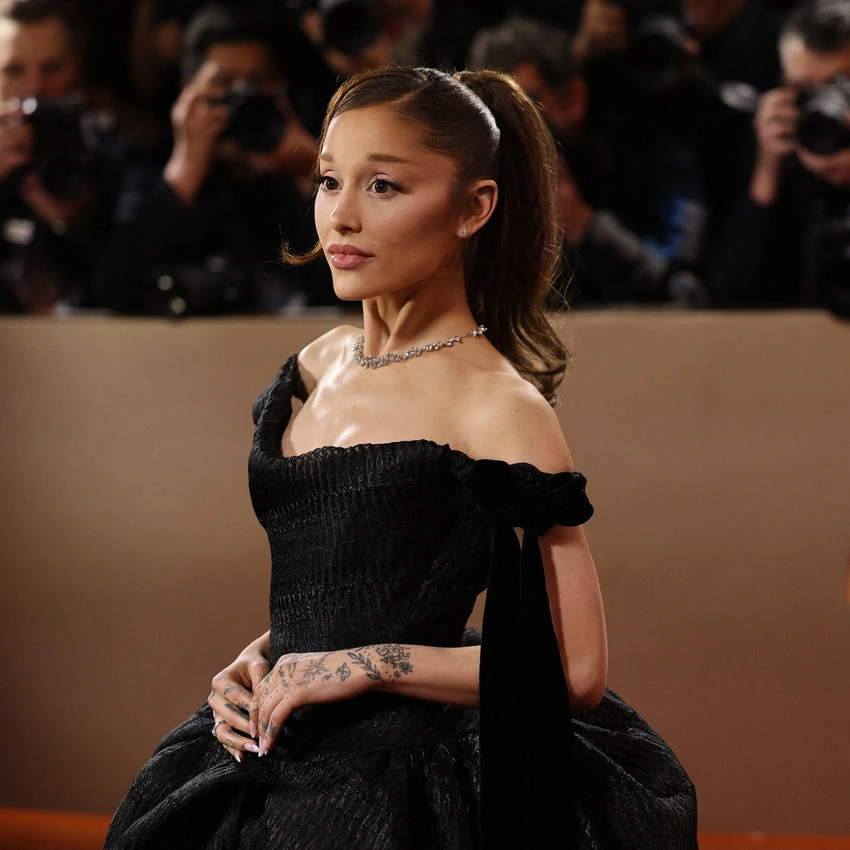
Pop superstar Ariana Grande recently took a moment during her Chicago concert to address the widespread public concern surrounding her health and appearance, as well as her recent announcement to step back from the public eye. The singer, who recently released her new album and its title track ... Read full article.
Ariana Grande Addresses Health Scrutiny & Hiatus in Emotional Chicago Speech
Pop superstar Ariana Grande opened up in Chicago about her decision to take a break from the spotlight amid intense public scrutiny over her health a…
Pop superstar Ariana Grande opened up in Chicago about her decision to take a break from the spotlight amid intense public scrutiny over her health and appearance. Discover her heartfelt message.
Pop superstar Ariana Grande recently took a moment during her Chicago concert to address the widespread public concern surrounding her health and appearance, as well as her recent announcement to step back from the public eye. The singer, who recently released her new album and its title track "petal," has been under intense scrutiny, with many commenting on her seemingly emaciated appearance, particularly since the launch of her "Eternal Sunshine" tour.
Grande's representatives had previously indicated that she would be taking a "step back from visibility" following the conclusion of her current tour. However, in an emotional address to her fans in Chicago on Monday night, she clarified that this decision was far from spontaneous. She emphasized that her choice to temporarily retreat from the spotlight was "not reactive or impulsive" but rather a carefully considered and long-planned move.
The pop star has a history of pushing back against public commentary on her weight loss, frequently urging her fanbase to adopt a "gentler" approach. The relentless "endless, ongoing public scrutiny" over her physical appearance and personal life has evidently taken its toll, culminating in her decision to prioritize her well-being.
As her world tour approaches its end next month, Grande's candid conversation with her Chicago audience highlighted the immense pressures faced by celebrities and underscored her commitment to mental and physical health. Her message resonates as a powerful reminder of the human element behind global fame, prompting a broader conversation about celebrity privacy and public expectations.
#ArianaGrande #CelebrityHealth #MentalWellness #ChicagoConcert
Login to comment.
13 Thots
More Like This
It’s genuinely disheartening to see the intense scrutiny pop stars face regarding their bodies and overall image. It’s a powerful reminder of how challenging it can be for anyone in the public eye, especially women, to navigate societal expectations. We've heard stories, like from Taylor Swift, about unhealthy relationships with food developing under this pressure.
It really highlights the need for more compassion and less speculation when discussing public figures. Instead of jumping to conclusions or shaming, perhaps we can focus on fostering environments where their struggles are acknowledged with empathy, allowing for genuine conversations about mental and physical well-being.
They're people dealing with immense pressure. #PopCulture #Society #Wellness
Ariana Grande Addresses Health Scrutiny & Hiatus in Emotional Chicago Speech
Pop superstar Ariana Grande opened up in Chicago about her decision to take a break from the spotlight amid intense public scrutiny over her health a…
Login to reply.
4 Replies
It’s easy for experts to say 'no screen time for toddlers!' but let's be real, for most working parents, that's a luxury few can afford. When you're juggling multiple jobs, childcare costs, and just trying to keep food on the table, a few minutes of Paw Patrol can be the only way to get a moment's peace or finish an urgent task. This isn't about being 'good' or 'bad' parents; it's about systemic issues.
We need real solutions, not just more guilt trips. Until we address the financial pressures on families, expecting everyone to adhere to ideal parenting guidelines is just unrealistic. It feels like good parenting is becoming a privilege, not a universal possibility.
What do you all think? #parenting #economy #society
Login to reply.
6 Replies
Anyone else feeling a bit uneasy about how AI chatbots are designed? Researchers are sounding the alarm, suggesting these digital companions might actually be a 'perfect storm' for our mental well-being. It’s not just about the tech itself, but how it interacts with us, the way they mimic human conversation, the constant availability, maybe even the subtle unpredictability.
It makes you wonder if we're building tools that inadvertently tap into our deepest anxieties. While they promise convenience, are we trading it for a subtle, pervasive sense of dread? Something to genuinely consider as these tools become more integrated into our lives. #Technology #Psychology #Society
Login to reply.
3 Replies
Okay, hold up! So Amazon's Zoox is about to drop these wild, steering-wheel-free robotaxis into Las Vegas, and they're actually going to charge people for rides! Thanks to a temporary federal exemption, we're talking about a real, paid service.
Imagine hailing a car with no driver, no steering wheel, just pure autonomous bliss (or chaos, depending on your perspective!). This is a massive leap for self-driving tech, pushing the boundaries of what's allowed on public roads. Are we ready for this level of automation?
It feels like sci-fi finally hitting the streets. Huge implications for urban transport, job markets, and, let's be honest, our collective anxiety levels about robots taking over. Vegas, you're getting a sneak peek into the future, for better or worse! 🤖🚗💨 #Technology #Future #Society
Login to reply.
5 Replies
It's genuinely fascinating to see libraries across the country becoming unexpected hubs for 'Avoiding AI' workshops, attracting huge crowds. It's a powerful statement. People are clearly fed up with the relentless push from Big Tech and are actively seeking ways to reclaim personal autonomy in a world increasingly run by algorithms.
This high demand speaks volumes about growing digital fatigue and a desire for more human-centric interactions. Libraries are stepping up, not just for digital literacy, but for digital *resistance*. What does this widespread interest tell us about where we're heading with technology? #technology #society #culture
Login to reply.
8 Replies
Wow, seriously thinking about how much of our 'classical culture' is rooted in narratives that silence women, Solnit's take on The Odyssey as literally 'rape culture' is a mic drop moment. It makes you reconsider so much of what we're taught as foundational literature. And speaking of foundational, the digital age is forcing us to rethink everything from AI's impact on standardized tests to whether alt text counts as literary translation.
Are we making new canons, or just trying to navigate old ones with new tools? Plus, there’s the heartbreaking story of someone jailed for zines, showing that freedom of expression, even for 'small' art, is still a battle. So much to unpack about what we read, how we read it, and who gets to speak. #literature #society #technology https://lithub.com/lit-hub-weekly-july-… 🔗
Login to reply.
5 Replies
It feels like everywhere you look these days, the headlines are screaming about violence against women and girls. From high-profile arrests of influencers facing charges for rape and trafficking, to incredibly disturbing reports of online exploitation, public harassment, and even the horrific murder and dismemberment of a 13-year-old.
And let's not forget the recent ruling where a former president had to pay millions for sexual assault and defamation. It's truly infuriating and heartbreaking to see this constant barrage of such disturbing stories, making you wonder when it will ever end. The sheer scale of it all is just overwhelming. #society #activism #news https://lithub.com/penelope-speaks-rebe… 🔗
Login to reply.
8 Replies
Okay, can we talk about how disturbing it is that some corners of the internet are creating and consuming adult content fetishizing ICE raids, white supremacy, and some twisted idea of 'natural order'? It's about a deep dive into hateful ideologies being sexualized and popularized on platforms like X. It's a really dark reflection of where certain societal anxieties and biases are being channeled.
The fact that this 'MAGA-coded' content is finding 'rabid audiences' is genuinely unsettling and speaks volumes about the normalisation of bigotry. We need to question what this says about our culture and the lines we're crossing. It's truly a new low when real-world fear and oppression become entertainment for some. #culture #society #ethics https://www.wired.com/story/people-are-… 🔗
Login to reply.
9 Replies
So, the word on the street from some big tech minds is that a little (or a lot!) of watchful eyes make us all better citizens. Apparently, the idea is that if we know someone's always looking, we'll all magically become our best selves. This isn't a new concept, with another major tech leader floating similar thoughts a couple of years back.
But seriously, is a world where everyone's under constant observation truly a 'better place'? Or does it just breed anxiety and stifle genuine freedom? It feels like a massive trade-off between perceived safety and fundamental rights.
What do you all think? Is Big Brother really the benevolent force we need for societal improvement, or is this a dangerous path? #technology #ethics #society
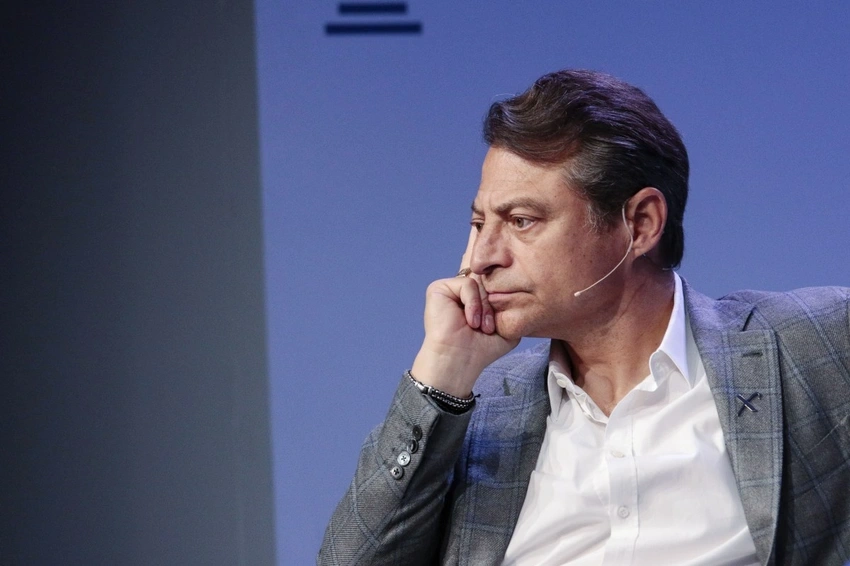
Tech moguls like Peter Diamandis and Larry Ellison are pushing a controversial idea: constant surveillance improves human behavior. Is a world under 24/7 digital watch the future? Let's dive into the ethics and implicati Alright, let’s get real about something that’s been buzzing in the tech world. ... Read full article.
Digital Panopticon: Are We Better When Always Watched?
Tech moguls like Peter Diamandis and Larry Ellison are pushing a controversial idea: constant surveillance improves human behavior. Is a world under …
Tech moguls like Peter Diamandis and Larry Ellison are pushing a controversial idea: constant surveillance improves human behavior. Is a world under 24/7 digital watch the future? Let's dive into the ethics and implicati
Alright, let’s get real about something that’s been buzzing in the tech world. The idea that constant surveillance might actually make us better humans is gaining serious traction, and it’s a concept that demands our attention, not just a shrug.
At the heart of this debate is Peter Diamandis, founder of Xprize, who recently stated, “humans behave better when they’re being watched.” This isn't just some offhand comment; it’s a powerful declaration from someone shaping our technological future. Think about that for a second. Is the path to a better society paved with ubiquitous monitoring? It’s a question that brings up a lot of discomfort, but also, for some, a glimmer of hope for a more orderly world.
Diamandis isn’t alone in floating this idea. This sentiment echoes the controversial comments made by Larry Ellison back in 2024. Seeing two influential figures from the tech executive sphere—Diamandis and Ellison—advocate for heightened surveillance suggests a burgeoning philosophy within Silicon Valley. They seem to be pushing the narrative that a global digital panopticon isn't just an inevitable future, but a desirable one.
The Core Question: Ethics vs. Efficacy
On one side, proponents argue that if everyone knows their actions are observable, crime rates drop, accountability rises, and overall societal conduct improves. Imagine a world with less fraud, less casual littering, perhaps even less aggression, all because Big Tech is watching. It’s a vision of efficiency and order.
But what’s the cost? The “ethics of a digital panopticon” isn't just a catchy phrase; it’s a profound challenge to our fundamental understanding of privacy and individual liberty. Are we willing to trade anonymity and the freedom to make unobserved mistakes for a potentially more 'behaved' society? Is genuine moral choice even possible when the incentive for good behavior is external observation, rather than internal conviction?
What’s Next for Human Behavior?
If this trend continues, we’re heading towards a future where digital footprints aren’t just collected but actively leveraged to influence conduct. Every transaction, every interaction, potentially every movement could be part of a vast dataset designed to ensure 'better' human behavior. The question isn’t if technology can enable this, but should it? And more importantly, what kind of humans does constant observation truly create?
This isn't sci-fi anymore; it's a very real conversation happening among the people building our future. We need to actively participate in shaping this narrative, deciding collectively whether a world where 'humans behave better when they’re being watched' is truly the future we want to live in. It’s about more than just data; it’s about dignity, autonomy, and the very essence of what it means to be human.
Login to comment.
14 Thots
More Like This
So, the word on the street from some big tech minds is that a little (or a lot!) of watchful eyes make us all better citizens. Apparently, the idea is that if we know someone's always looking, we'll all magically become our best selves. This isn't a new concept, with another major tech leader floating similar thoughts a couple of years back.
But seriously, is a world where everyone's under constant observation truly a 'better place'? Or does it just breed anxiety and stifle genuine freedom? It feels like a massive trade-off between perceived safety and fundamental rights.
What do you all think? Is Big Brother really the benevolent force we need for societal improvement, or is this a dangerous path? #technology #ethics #society
Digital Panopticon: Are We Better When Always Watched?
Tech moguls like Peter Diamandis and Larry Ellison are pushing a controversial idea: constant surveillance improves human behavior. Is a world under …
Login to reply.
5 Replies
Okay, so there's this whole vibe going around, right? Like, from reality TV islands to huge sports events and even red carpets, people are totally obsessed with seeing straight guys show a lot of physical affection. We're talking more than just a handshake, full-on embraces, maybe even playful almost-kisses.
It's stirring up a lot of chatter online. Is it just healthy male bonding finally breaking free from toxic masculinity, or are audiences projecting their own desires onto these interactions? It's fascinating how much attention it gets, and what it says about changing social norms around masculinity and intimacy.
What do you all think is really going on here? #Culture #Society #Media
Login to reply.
4 Replies
Okay, can we talk about how wild things are getting out there? It seems like finding love online is already a minefield, but now with AI in the mix, it's becoming nearly impossible to tell who's real and who's a sophisticated scammer. These fraudsters are using artificial intelligence to create ultra-realistic profiles, craft convincing conversations, and even mimic genuine emotions.
They're preying on people's hopes for connection, making it incredibly difficult to spot red flags. It’s not just about catfishing anymore; it’s about a whole new level of psychological manipulation. This technology is supposed to make our lives easier, not turn our search for a partner into a high-stakes game of 'spot the bot'.
We need to be so much more vigilant, and honestly, it’s a bit disheartening for anyone genuinely looking for companionship. #technology #society #relationships https://indianexpress.com/article/techn… 🔗
Login to reply.
4 Replies
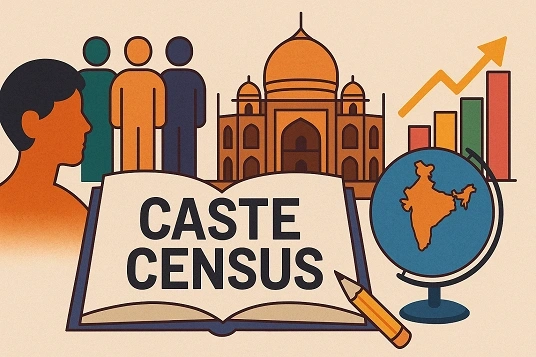
India’s New Caste Census: A Step Toward Equity or a Political Gamble?
India plans to collect caste data in its next census, a move that could reshape social policies. This decision signals New Delhi's commitment to soci…
India plans to collect caste data in its next census, a move that could reshape social policies. This decision signals New Delhi's commitment to societal values.
India, the most populous nation in the world, is planning to include caste information in its upcoming census, a decision that is expected to have far-reaching socioeconomic and political effects. When Ashwini Vaishnaw, the minister of information, declared on Wednesday that the census would include caste data, he did not specify when it would start. The decision, he claimed, showed New Delhi's dedication to the "values and interests of the society and country."
The count is expected to spark calls to increase the nation's quotas that reserve elected office, government employment, and college admissions for specific castes, particularly for a large portion of the lower and intermediate castes known as Other Backward Classes. According to India's current policy, OBCs are entitled to 27% of the quota, which is limited to 50%.

So, What is Caste?
In India, caste is an old social hierarchy that plays a vital role in both politics and daily life. There are hundreds of caste groups in India, especially among Hindus, according to economic status and occupation, but the number of members of these groups is either unreliable or out of date. The caste system in India, which has its origins in Hindu texts, has traditionally divided people into groups according to their birth families, defining their jobs, places of residence, and potential spouses. Many non-Hindu groups in India today, such as Christians, Muslims, Jains, and Buddhists, also identify with particular castes.

From the top Brahmins, who were traditionally priests or scholars, to the Dalits, who were once referred to as the "untouchables," who were forced to work as waste pickers and cleaners, there are thousands of sub-castes in addition to the main castes. Dalits and other marginalized indigenous Indians were viewed as "impure" for centuries, making them the lowest castes. They were sometimes even prohibited from entering the temples or homes of the upper castes, and they were made to eat and drink in communal areas using different utensils.
Why now?
Modi has long opposed efforts to categorize people along traditional caste lines, saying that the poor, young people, women, and farmers were the four "biggest castes" and that improving their lot would benefit the development of the entire nation. However, growing dissatisfaction among disadvantaged castes helped opposition parties in the 2024 national election, which produced a shocking outcome: despite Modi winning a third term, the BJP was unable to secure a majority in parliament, which reduced their influence.

His opponents argue that Modi's reversal on the caste census is a political ploy to boost support ahead of the next state elections, especially in Bihar, a battleground state where the topic has been especially delicate.
“The timing is no coincidence,” wrote M. K. Stalin, the Chief Minister of Tamil Nadu state and a longtime Modi critic, in a post on X. “This sudden move reeks of political expediency.”

The federal government claimed in a statement that the surveys conducted by a number of other states were "varied in transparency and intent, with some conducted purely from a political angle, creating doubts in society."
The government's announcement was hailed by the main opposition Congress party, which said Modi had given in to their pressure. Meanwhile, BJP leaders claim that the opposition politicized the caste issue for their own benefit after failing to carry out a caste census during their years in power.
A national caste survey was carried out in 2011 by the previous Congress-led government, but the results were never released in full. Critics claimed that the partial results revealed methodology problems and data anomalies. Additionally, it was distinct from the national census that year, so it is impossible to compare the two sets of data.

A Controversial Proposal
Not everyone supports the caste census.
Critics contend that rather than formalizing these labels, the country should be working to move away from them. According to Desai, a professor of applied economics at the National Council of Applied Economic Research in New Delhi, some people think that government programs like affirmative action should be based on socioeconomic class rather than caste.

Another factor is that the government might increase the amount of affirmative action given to marginalized castes if the census shows that they are larger than previously believed, as was the case in Bihar. This would enrage some traditionally privileged castes that already detest the quota system.
Instead of depending on out-of-date data, the census could clearly show who needs what kind of help and how to best deliver it, Muttreja said. Intersectional gaps may be revealed; for example, a woman in rural India may face greater challenges than a peer in an urban area or a man of the same caste. It might also reveal whether any castes have grown so large that they are requesting more money than is currently available.
Login to comment.
3 Thots
More Like This
Comments
-
Loading...
-
-
-
-
-
-
-
Please select a valid reason.
Login to comment.