Are Music Videos Dead in 2026?

Are Music Videos Dead in 2026?
Are Music Videos Dead in 2026?
In 2026, music videos aren’t dying—they’re evolving. This analysis shows how shorter clips and the YouTube-Billboard shift are reshaping visibility, culture, and the way we experience music.
There’s a part of me that finds the question “are music videos dead?” almost nostalgic like asking if novels are dead because people skim essays on screens. But in 2026, the question isn’t about obituaries; it’s about transformation. It points to how our ways of seeing have shifted, how attention operates in a world of endless visual stimulation, and how institutional structures like the Billboard charts are changing the rules of musical visibility.
To answer this question today, we have to look at two concurrent forces reshaping visual music culture: the shortening of attention spans, driven by short-form video platforms, and the decoupling of YouTube from Billboard chart metrics; a seismic change in how the industry measures success.
The Attention Economy and the Fragmentation of Focus
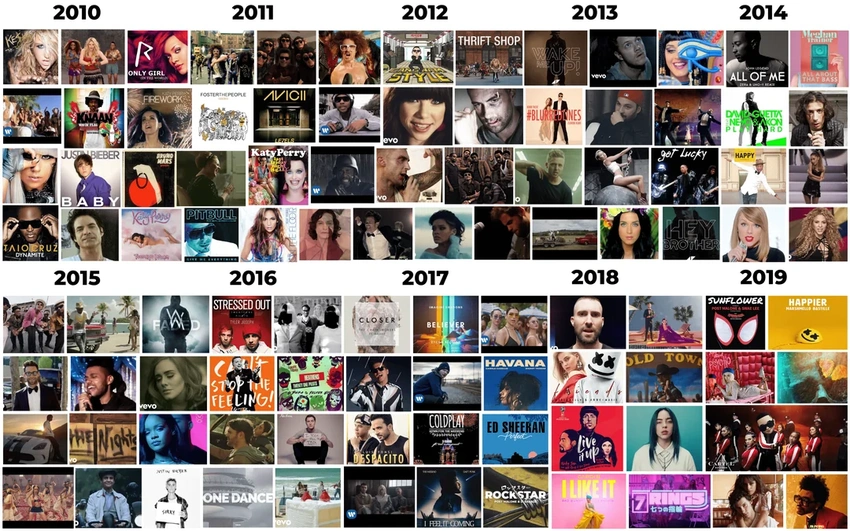
Music videos were once ritualised events. You’d watch them all the way through often repeatedly, because viewing itself was part of the experience. Think of early MTV, when clips structured evenings and conversations.
But the logic of attention has changed dramatically. Research across psychology and media studies shows that engagement with short-form videos affects how people sustain attention, not just while watching content but in broader cognitive habits. Users who consume short-form videos report shorter fixation durations, more distraction and difficulty maintaining focus for extended viewing. This isn’t merely anecdotal, it’s measurable: studies link frequent short-form video use with challenges in sustained attention and information processing.
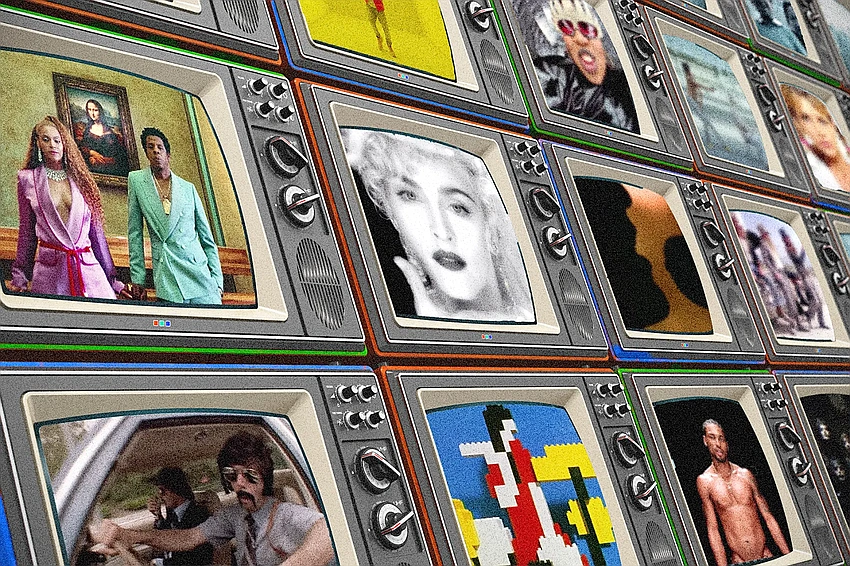
The popularity of platforms like TikTok, Instagram Reels and YouTube Shorts isn’t incidental. They cater to and cultivate a mode of attention that prioritises quick hits — looping soundbites, cut-to-rhythm edits, instant gratification. In this environment, the traditional three-minute music video feels slow by comparison. Longer narratives require sustained focus, whereas short-form formats reward immediacy, repetition and remixability: the viral dance clip, the meme with a catchy hook, the 10-second punchline clip.
In other words, our attentional habits are part of why music videos have shifted from being the cultural centrepiece of a song to one piece among many. Music now lives visually not only in official videos but equally in fragments that users re-cut, replay and repurpose.
YouTube and Billboard in 2026
Adding to this cultural shift is a major structural change in how success is tracked in the music industry. In late 2025, Billboard announced adjustments to how chart placements are calculated, including how streaming data is weighted. Almost immediately, YouTube responded that its streaming numbers would no longer be counted toward the Billboard charts starting in January 2026, citing disagreements over how different types of streams are valued.
YouTube has been counted on the charts for over a decade, and its data factored heavily into hitting No. 1 on the Hot 100 and album charts. Iconic moments like songs reaching the top because of viral video view surges depended on that inclusion. The fact that YouTube views no longer contribute to Billboard rankings changes the incentive structure for artists and labels. Music videos have always been part of the ecosystem for driving streams, visibility and chart impact. Removing one of their most significant data contributions raises real questions about why labels might prioritise high-production videos when they no longer help push a song up those august lists.
This development does not by itself kill music videos. But it does weaken a key part of their cultural leverage.
Not Death, But Redistribution
So where does that leave music videos in 2026?
They are not extinct. Artists still make them; some are extraordinary. Big-budget visuals still arrive with fanfare and creative ambition. Beyoncé, Kendrick Lamar, Doja Cat and others continue to use the form to make visual arguments, to expand narratives, to explore aesthetics beyond audio alone. The format still matters artistically.
But their cultural role has shifted. They are no longer an indispensable part of a song’s lifecycle in the way they were in the 1980s or early 2010s. Instead, they have become one mode among many in a dispersed visual ecology enriched (and complicated) by the dynamics of short-form engagement.
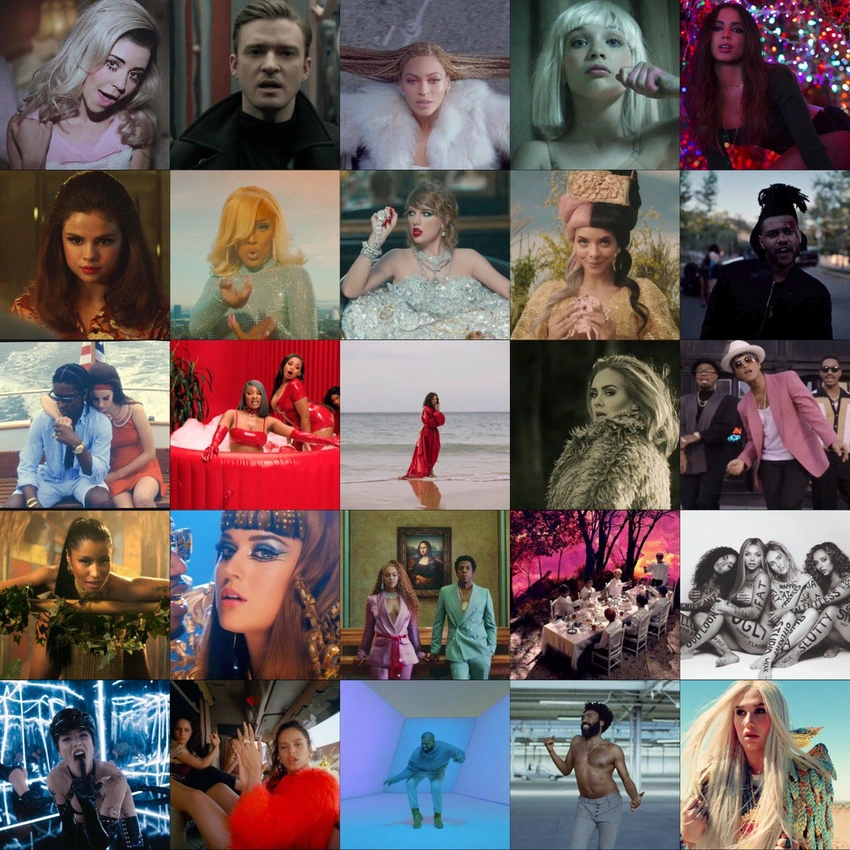
Visibility is now generated not just by YouTube premieres, but by viral clips that may strip visuals down to a dance move, a costume moment, a hook that loops endlessly on social feeds. These are not music videos in the traditional sense, but they are the visual presence of music in 2026.
Cultural Memory, Visual Legacy, and What Endures
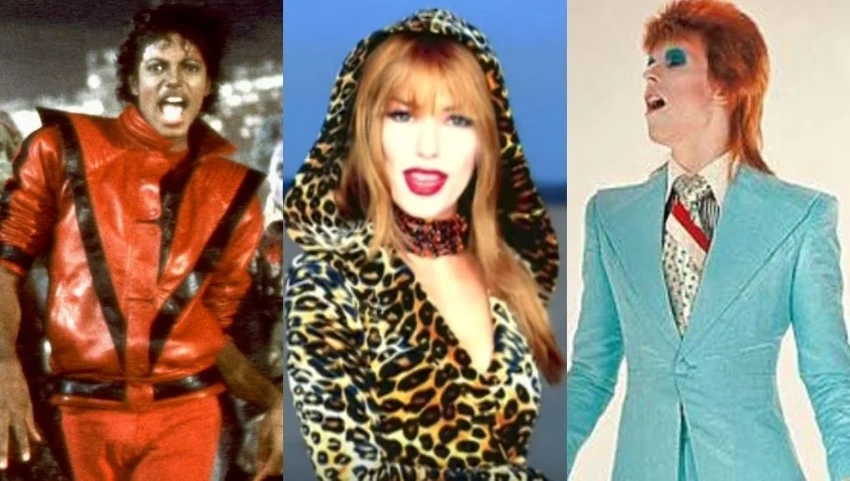
Part of the reason we keep asking whether music videos are “dead” is that the form carries so much history — from Michael Jackson’s Thriller to Madonna’s genre-defining clips, to Beyoncé’s visual albums. These works became part of our cultural memory not just because of their quality, but because the media ecology at the time rewarded lingering engagement, collective watching and repeated optical attention.
But cultural forms evolve alongside attention, technology and social practices. Reading the decline of the traditional music video as death misses the bigger story: music visuals have been redistributed across formats and platforms that privilege speed, interactivity, remix and participatory engagement.
They are alive in short loops as much as long cuts. They circulate in memes, dances, edits, gifs and remix hacks; all of them part of how music lives visually in the attention economy of 2026.
#MusicVideoCulture #AttentionEconomy #YouTubeBillboard #VisualMusic #MusicIndustry
