Trump slams Meloni: Italy’s PM lacks courage in scathing attack

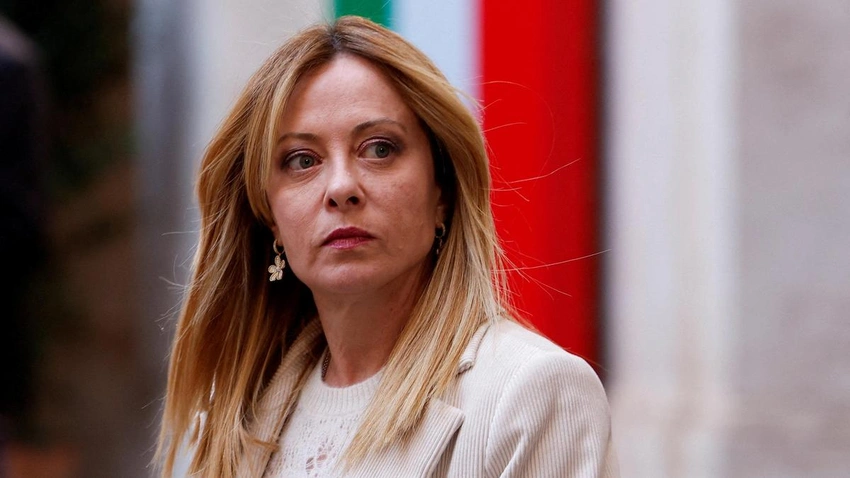
Trump slams Meloni: Italy’s PM lacks courage in scathing attack
Trump targets Italian PM Giorgia Meloni, accusing her of lacking courage and saying he’s shocked by her stance on Iran, signaling tension within the alliance.
In a sharp turn that drew attention well beyond Europe, former U.S. President Donald Trump launched a scathing attack on Italian Prime Minister Giorgia Meloni, saying she lacks courage and that he is ‘shocked’ by her. The remarks, delivered with the blunt force characteristic of his public style, mark a rare public rebuke of a European leader who has been seen as a close ally in Washington’s orbit. The comments come as global conversations intensify around Iran and the Middle East, areas where Trump argues Meloni has not taken a firm stance.
Trump’s comments, though delivered in a formal political format, read like a personal critique of Meloni’s leadership and decision-making. By framing the matter as a moral and strategic shortcoming, he injects a highly personal dynamic into a relationship that has often been described as one of mutual interests and shared political alignment. The remark about Meloni lacking courage on the Iran issue underscores Trump’s willingness to push back against allies when he believes their positions diverge from his own foreign policy priorities.
Italian observers and foreign-policy analysts say such public exchanges risk complicating behind-the-scenes diplomacy. Meloni’s government has sought to balance alliance commitments with national interests in a shifting regional calculus, while Washington has emphasized a muscular approach to Iran and regional security. When a former U.S. president publicly questions a European leader’s resolve, it raises questions about the durability of solidarity within NATO and the ease of coordinating on contentious policy questions.
The episode also tests how both capitals manage diplomacy in the era of highly personalized political messaging. Officials in Rome and Washington are likely to recalibrate private channels and statements to prevent broader fractures in transatlantic cooperation. In the near term, attentions will focus on whether Meloni reiterates her stance or clarifies that she remains committed to the alliance’s shared goals, even amid disagreement on strategy and rhetoric. The broader takeaway is that personal rhetoric can spill into the corridors of power, shaping perceptions and future cooperation on sensitive issues like Iran and regional security.
As diplomats weigh next steps, the world will watch to see if this public friction translates into tangible shifts in policy or simply a reshaping of narrative for domestic audiences.
