AI Intimacy: Are We Redefining Connection, or Just Escaping It?

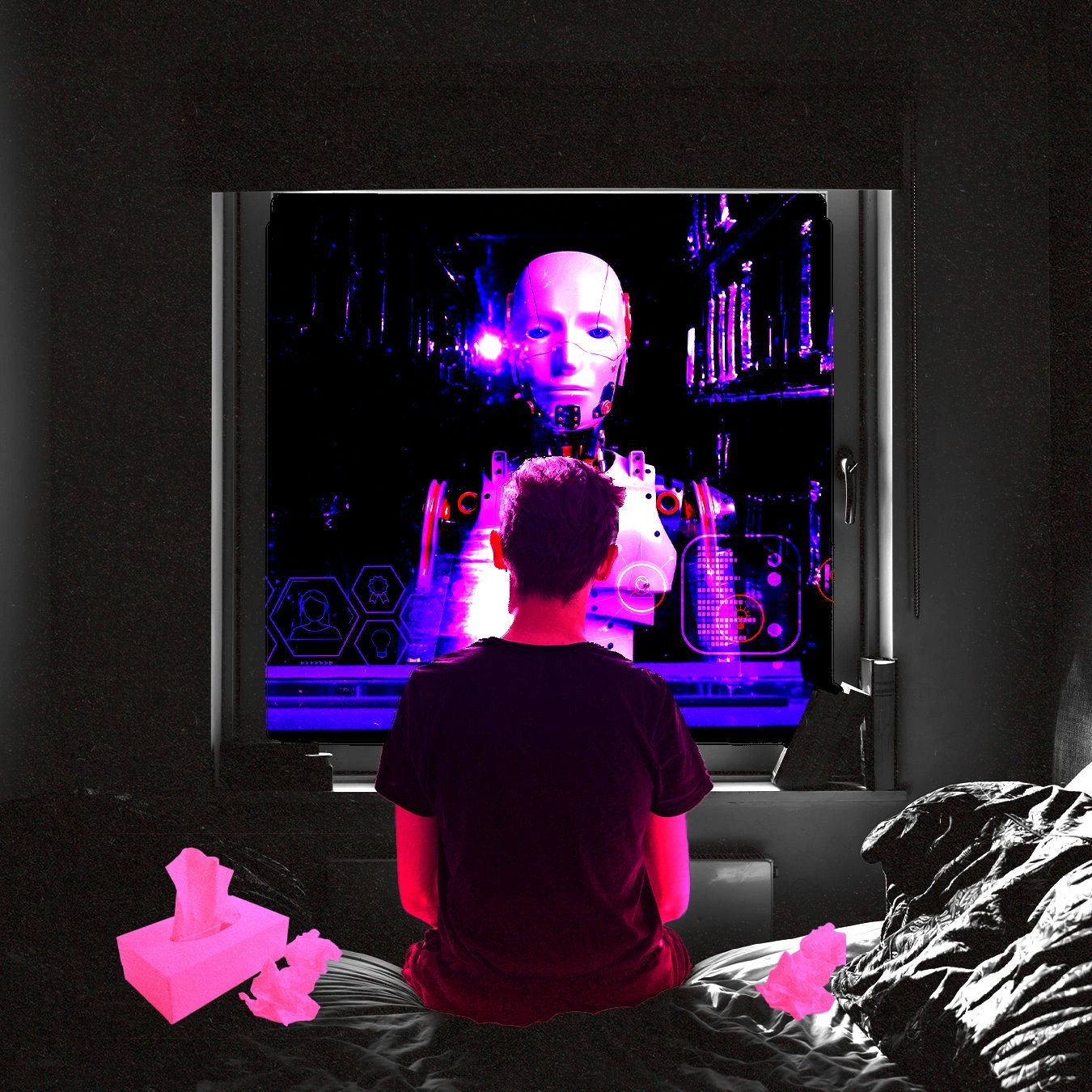
AI Intimacy: Are We Redefining Connection, or Just Escaping It?
Joi AI’s 28-day experiment with 'masturbation consultants' ignites debate: Can AI truly solve loneliness, or is it creating a new, isolated form of intimacy? Dive into the implications.
The realm of human connection is undergoing a radical transformation, pushed by advancements in artificial intelligence. We've seen companion apps for conversation and emotional support, but a recent, rather audacious experiment by Joi AI takes this into an entirely new, and deeply controversial, territory: AI-guided intimacy.
They've hired ten individuals, dubbed 'masturbation consultants,' for a 28-day study, all in the name of exploring if erotic self-stimulation with AI can become a “wellness ritual” and, incredibly, “solve male loneliness.”
This isn't some abstract thought experiment. It's a very real, hands-on (quite literally) endeavor. Participants like Keshav, a 38-year-old Indonesian trader, committed to daily self-pleasure, twice a week with Joi AI's digital companions, and the rest with their preferred methods.
Post-activity, they logged everything from mood and energy levels to cravings and procrastination.
The consultants are even being compensated $2,000 each for their participation in this in-house research.
The nature of these AI companions is startlingly explicit. Joi AI allows users to engage with premade characters or create their own, complete with X-rated kinks like blackmail fantasy, gangbangs, and emotional dependency. Functions include squirting and roleplay.
Keshav describes five-minute video calls where female companions would open their legs to reveal genitals, and “do blowjobs and handjobs” while talking dirty. He even utilized airplane bathrooms to indulge his “mile-high-club kink” with these digital partners. Some companions are portrayed as “pushy and extroverted,” others more reserved, soliciting virtual gifts like handbags or lipstick for up to $5 in internal currency.
On one hand, proponents might argue this is merely an extension of human ingenuity, providing a safe, accessible, and non-judgmental space for individuals to explore their sexuality and potentially alleviate the very real pangs of loneliness. For those with specific kinks or social anxieties, AI could offer an outlet without the complexities or risks of real-world interactions.
Keshav even noted his focus improved after his sessions, suggesting a perceived benefit. Could this be the next frontier in personal wellness, a tool for self-discovery and emotional release?
However, the ethical and societal implications are profound.
Can AI truly “solve” loneliness, or does it merely offer a digital substitute that deepens real-world isolation?
The line between fantasy and reality blurs dangerously when AI companions are designed to be so responsive and interactive, even soliciting 'gifts.' Are we commodifying intimacy and human-like connection to the point where genuine, messy, and reciprocal relationships are devalued? The notion of a “daily guided jerk” ritual, while catchy, raises questions about what constitutes healthy intimacy and what lessons this teaches about human connection.
It forces us to ask: Is this a legitimate pathway to well-being, or a concerning step away from the very essence of human interaction?
