Why We Can’t Keep Separating J.K. Rowling from Harry Potter

Why We Can’t Keep Separating J.K. Rowling from Harry Potter
Why We Can’t Keep Separating J.K. Rowling from Harry Potter
A thoughtful critique of how Rowling's Potter legacy intersects with funding and politics, urging fans to weigh ethics alongside nostalgia as art meets real-world consequences.
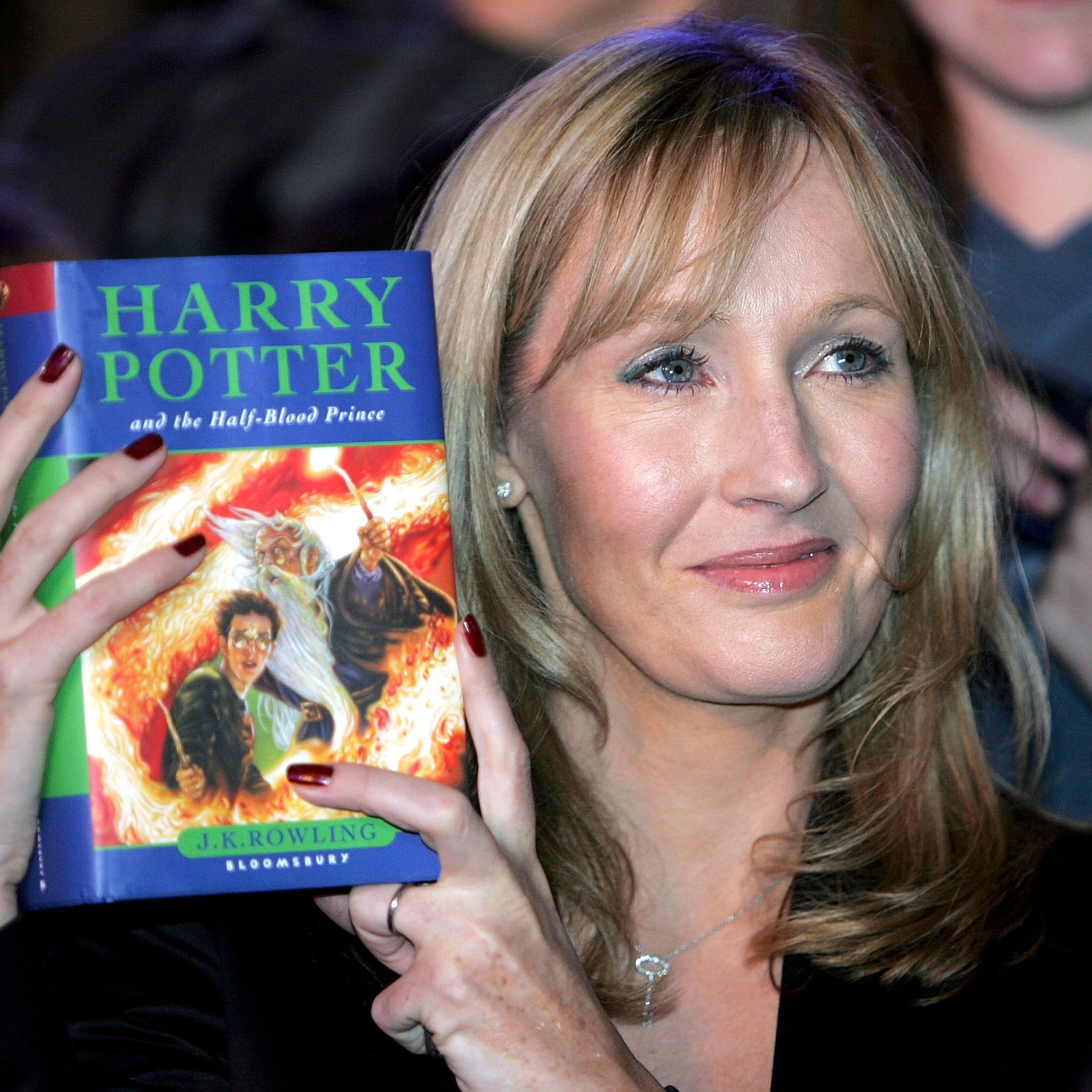
I’ve spent years learning how to read critically to admire art while also questioning the systems that sustain it. Few cultural phenomena test that balance like Harry Potter. For millions, J.K. Rowling’s books are a cornerstone of childhood, their magic inseparable from our own growing up. Yet as the author’s public statements and political funding have revealed, loving Harry Potter now requires confronting an uncomfortable truth: when art actively fuels harm, neutrality is no longer an option.
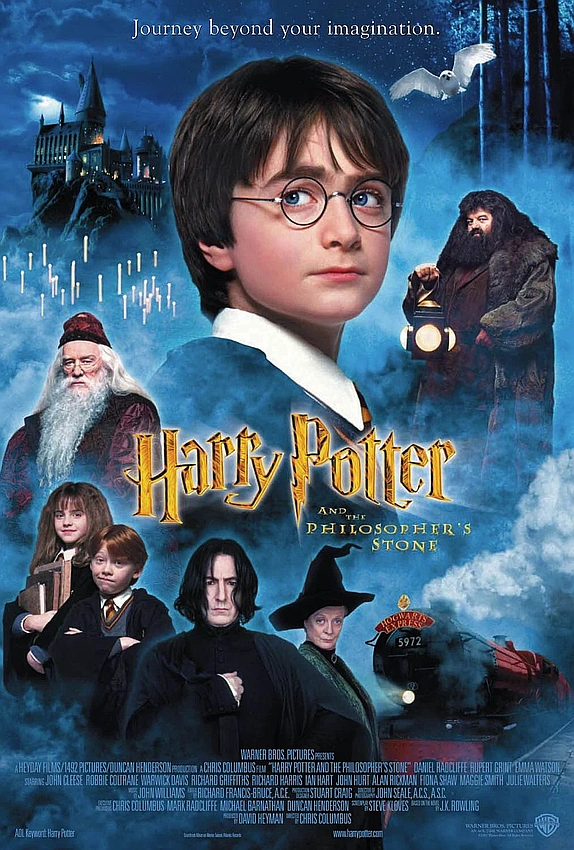
We can differ about favourite foods, you like chocolate mousse, I prefer lemon tart. That’s fine. But when the food itself is produced through exploitation, the question stops being about taste. Similarly, when the profits from our love of Harry Potter contribute to anti-trans organisations, our fandom becomes a moral choice.
The World She Built and the One She Funds
Rowling’s work reshaped modern fantasy. Hogwarts, the friendships, the moral struggle against darkness, they still hold emotional gravity. The books speak to injustice, courage, and chosen family. They taught a generation about empathy and resistance. It’s precisely because the work feels so moral that her later politics feel like a betrayal.
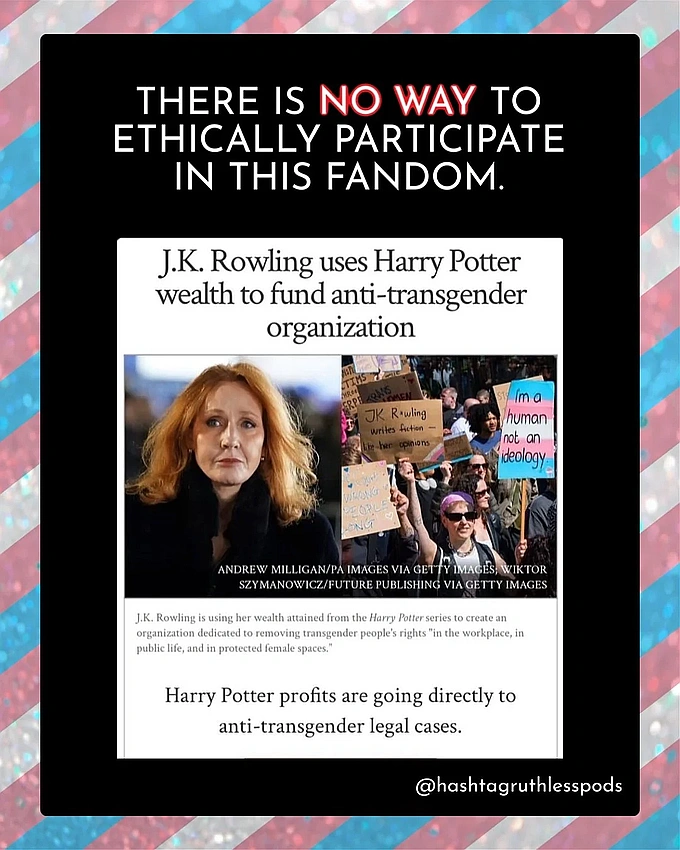
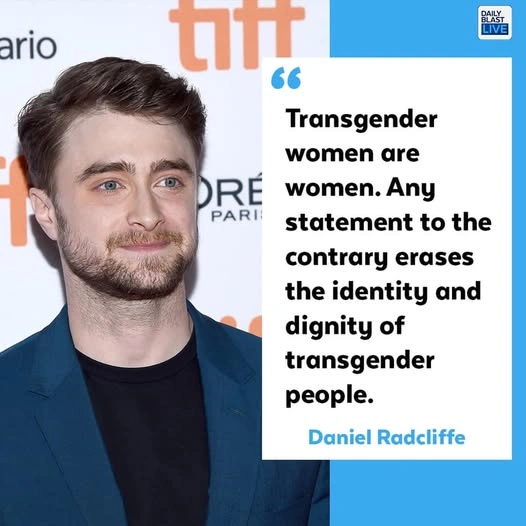
Rowling has repeatedly made public statements rejecting trans women’s identities, and she continues to align herself with groups that campaign against transgender rights. She has donated significant sums, including £70,000 to For Women Scotland in 2024, to organisations opposing trans-inclusive legal reforms. Through her “J.K. Rowling Women’s Fund,” she pledges support to groups “fighting to retain sex-based rights,” a phrase that, in practice, often translates to restricting trans people’s access to gender-affirming spaces.
This isn’t a matter of disagreeing on pronouns or semantics. It’s a sustained ideological campaign that trans and queer activists identify as dangerous. In simple terms: Rowling is a trans-exclusionary radical feminist; a TERF whose rhetoric and money empower policies that undermine trans dignity and safety.
Fandom, Capital and Complicity
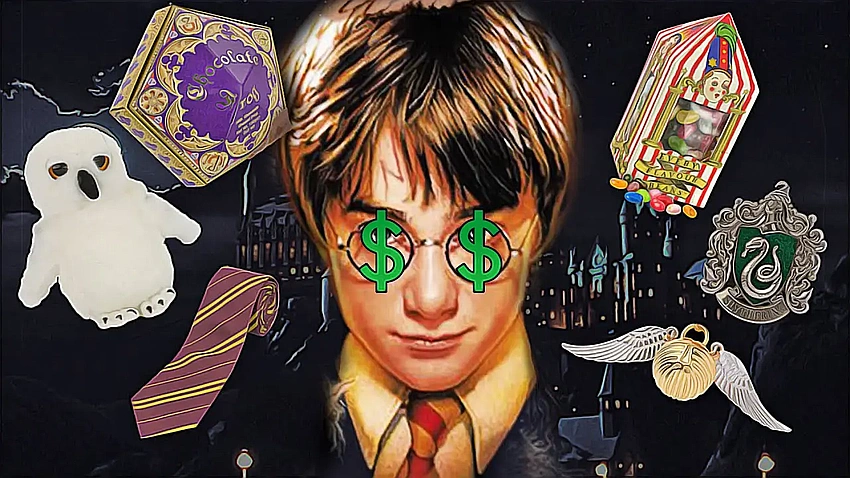
The Harry Potter franchise has grown into a corporate ecosystem of films, merchandise, theme parks, video games, streaming rights, and studio tours. Every scarf, mug and wand feeds into a billion-pound enterprise. And Rowling, as its creator and rights-holder, continues to earn from it all.
That means fan enthusiasm isn’t neutral. Every official purchase strengthens her financial and cultural influence, the same influence she uses to fund anti-trans causes. It’s easy to say “separate the art from the artist,” but when the artist profits directly from our engagement, that separation collapses. Our consumption becomes endorsement.
Some fans argue that boycotting Harry Potter punishes the art, not the ideology. But art doesn’t exist in a vacuum. Money does not stop at sentiment; it circulates. To ignore that circulation is to ignore material consequences. As one commentator put it succinctly, the magic is monetised, and that money is weaponised.
The Ethical Reckoning of the Reader
So what do we do with art we love that’s become morally compromised? The answer isn’t to burn our books or renounce our childhoods. You can still revisit the stories, but you don’t have to keep funding them. Buy second-hand, borrow from libraries, or support fan-made projects instead of corporate ones.
We owe it to ourselves, and to those harmed by Rowling’s politics, to ensure our nostalgia isn’t underwriting oppression. Because art, however powerful, doesn’t exist beyond ethics. When our participation sustains harm, silence becomes complicity.
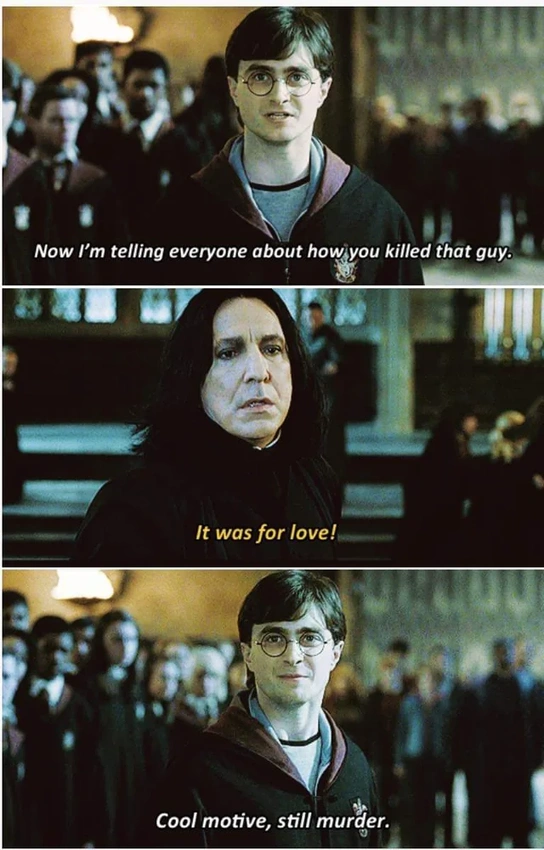
The beauty of reading lies in transformation. The stories that taught us to question authority, to resist injustice, to fight for the marginalised. Those lessons must apply even when the villain isn’t in the book but behind it.
Why This Matters
Rowling’s words and money do real harm to real people. That’s not a matter of taste. We can disagree on genres, aesthetics, or characters. But when the choice to consume a product perpetuates discrimination, it stops being a private preference and becomes a public stance.

It’s not enough to whisper “I just love the books” while ignoring who benefits from that love. As readers, we must practise what the series once preached: bravery, loyalty, and integrity. And right now, integrity means refusing to let the magic excuse the malice.
So yes, we can love what Harry Potter meant to us. But we can’t keep pretending that the world it built is separate from the one Rowling continues to shape, a world where her wealth fuels the erosion of trans rights.
Because at some point, the question isn’t whether we can separate art from the artist. It’s whether doing so costs someone else their safety, their dignity, their humanity. And on that, I refuse to stay neutral.
#HarryPotter #JKRowling #FandomEthics #ArtAndPolitics #CulturalCritique #PopCulture #TransRights
