The 2026 Met Gala and the Return of Fashion as Art

The 2026 Met Gala and the Return of Fashion as Art
The 2026 Met Gala and the Return of Fashion as Art
A literary and cultural analysis of the 2026 Met Gala, exploring fashion as spectacle, performance, art, and celebrity mythology in the age of internet aesthetics.
Every year, the Met Gala 2026 arrives with the same familiar cycle. The internet complains that fashion is dead, celebrities no longer understand themes, and the red carpet has become too corporate to surprise anyone. Then the stairs of the Metropolitan Museum open, cameras flash, and suddenly everyone remembers that spectacle still has cultural power.
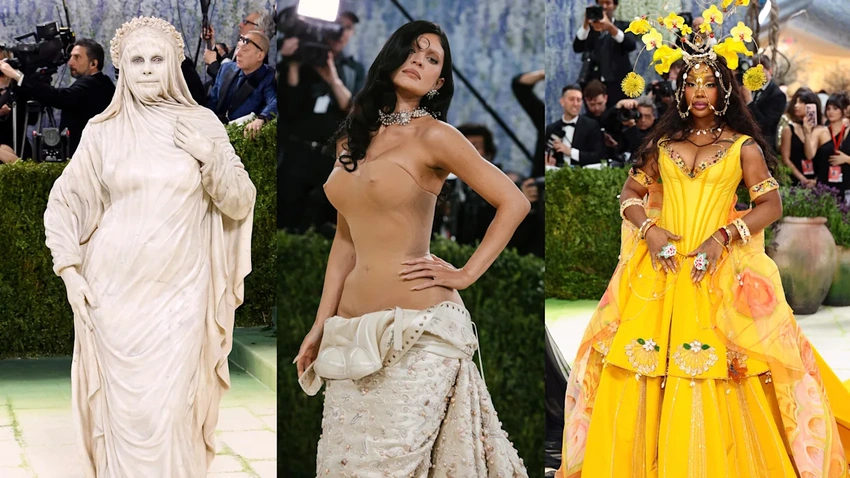
This year’s theme, “Costume Art”, alongside the dress code “Fashion Is Art”, felt unusually self-aware. Rather than asking celebrities to merely wear beautiful clothes, the gala demanded performance, reference, and interpretation. It turned the body into a moving gallery space.
Fashion Became a Museum Again
One of the strangest things about modern celebrity culture is how aggressively disposable it has become. Trends now exist for two weeks before TikTok declares them dead. Red carpet images circulate faster than criticism can keep up with them. The Met Gala remains one of the few spaces where fashion still attempts permanence.
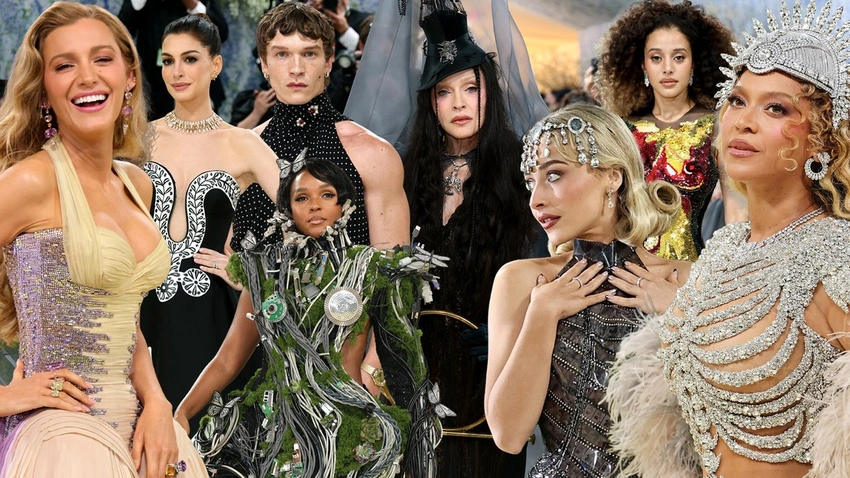
This year’s gala leaned fully into that idea. Many of the evening’s strongest looks referenced paintings, sculpture, cinema, and archival fashion history. Vogue even compiled explanations for the artworks embedded within the clothing itself, almost like footnotes attached to couture.
There was something deeply literary about that. The red carpet stopped functioning as celebrity branding and started behaving more like adaptation. A dress was no longer just a dress. It became interpretation, translation, sometimes even argument.
The best outfits understood this immediately. Sabrina Carpenter’s Dior gown embedded film strips from the 1954 film Sabrina directly into the fabric, collapsing old Hollywood cinema into contemporary celebrity culture. ([British Vogue][3]) Greta Lee appeared in a look echoing Gustav Klimt’s use of gold leaf, transforming the body into a decorative art object.
These looks succeeded because they treated fashion as text. They asked viewers to read rather than merely consume.
The Body as Exhibition
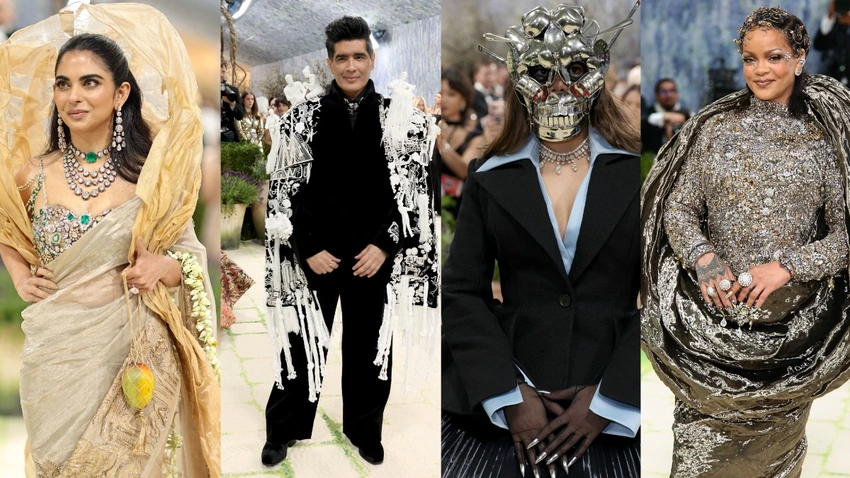
The exhibition itself reportedly explored “the centrality of the dressed body”, and that framing shaped much of the evening’s aesthetic language. ([Vogue][5])
For years, celebrity fashion has operated through exposure. The logic was simple: the more skin revealed, the more viral the image. But the 2026 Met Gala complicated that formula. Interestingly, many attendees avoided straightforward “naked dressing” despite the exhibition’s focus on corporeality.
Instead, designers approached the body almost sculpturally. Garments exaggerated silhouettes, referenced statues, distorted anatomy, and layered textures in ways that made celebrities resemble installations rather than influencers.
This is perhaps why the event felt more intellectually coherent than some recent galas. The best attendees did not merely follow the theme. They interrogated it.
Fashion this year seemed obsessed with a single question: when does clothing stop decorating the body and start transforming it?
Celebrity as Collaborative Artwork
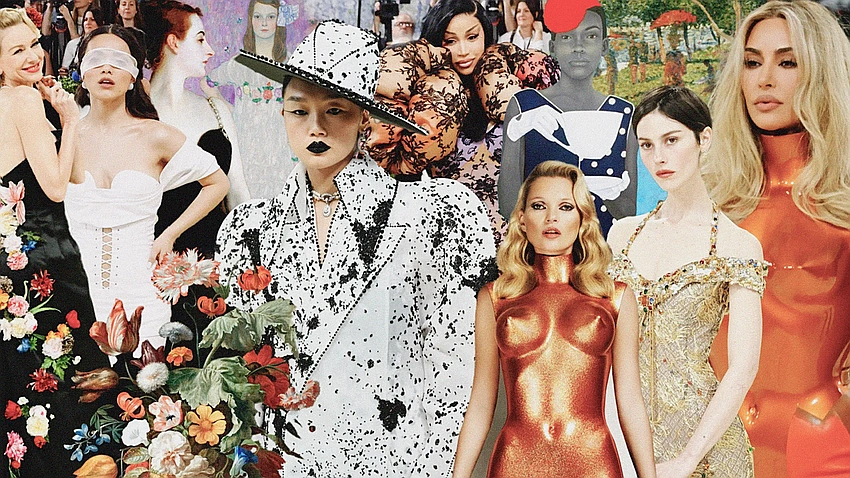
Another striking aspect of the 2026 gala was how visibly collaborative the fashion became. Articles covering the event repeatedly emphasised the months of embroidery, archival research, and construction behind individual garments.
That detail matters because celebrity fashion is often discussed as though famous people simply “wear” creativity rather than participate in its production. The Met Gala disrupts that illusion. It reveals fashion as labour intensive cultural production involving designers, stylists, makeup artists, historians, embroiderers, and ateliers.
The spectacle is collective.
Even the chaos surrounding the event contributes to its mythology. Reporting from inside New York’s Mark Hotel described the gala less like a party and more like an elaborate theatrical production filled with assistants, security teams, glam squads, and timed departures.
The Met Gala works precisely because everyone involved understands the assignment: create an image capable of surviving the internet’s attention span.
This year’s gala understood that beautifully. Beneath the sequins, corsetry, and sculptural silhouettes was a surprisingly serious idea: clothing is never just decoration. It is archive, performance, and language all at once.
#MetGala2026 #FashionCulture #PopCulture#CelebrityFashion #FashionHistory #RedCarpetStyle
