How Social Media Changed the Way We Experience Sports!

How Social Media Changed the Way We Experience Sports!
How Social Media Changed the Way We Experience Sports!
Explore how social media transformed sports since the 2000s. From watching games live to engaging with fans online, discover the new dynamics of sports fandom.
I have been an avid cricket and football fan since I was a kid and this was way before I had access to social media. Back in the 2000s and early 2010s, social media did not have a major impact on sport in any form. You watched the game, celebrated or sulked, then moved on. While growing up and eventually joining social media, be it Instagram, X (formerly Twitter), Reddit and so on, I have noticed the growing power of social media in sports.
 Sports were traditionally consumed at the stadium in real time or through a singular scheduled TV broadcast and if you couldn’t watch it, then you had to read about it in the newspaper or catch the highlights. There was a singular, unified experience, no rewind or reels to over analyze moments. Fan interactivity was limited as you could either catch the game together or just wait till the next day to talk about it, briefly.
Social Media and the New Age of Fandom
Then came social media. While initially, it would just be a place for die-hard fans that spent hours watching their team to engage with fellow supporters, it slowly attracted more and more people. Official accounts started posting match updates, goals, wickets, best moments. Suddenly, anyone scrolling through Instagram or X could call themselves a fan. And with that came the chaos.. People fighting each other in comments sections or threads about a game they probably didn’t really care about till they saw a reel posted by some fan account pushing a one-sided narrative.
This new breed of fan often doesn’t watch the actual sport . They tweet, post stories or reels, make memes, all while the game is going on, just to watch people engage with their content for mindless reasons Second-screen culture is real. People stare at their phones more than the match itself. Just look at the recent football season. The recent football season had four El Clasicos (Barcelona vs Real Madrid matches) which brought about endless memes and controversies. . Everything a big club like Barcelona, Madrid, Manchester United or Chelesea does, especially in the Champions League, gets dissected online, whether you love them or hate them.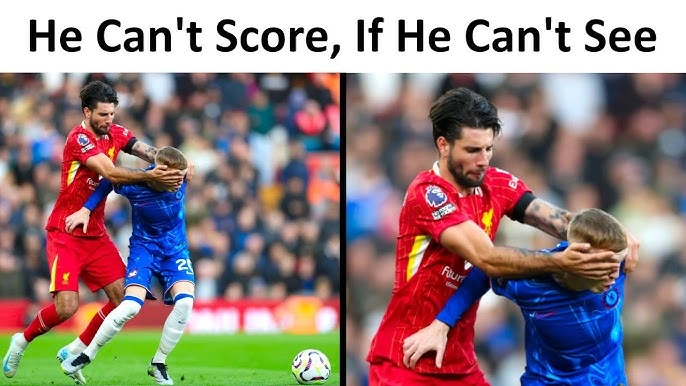
Now, with the newer generation of athletes beginning to blossom, it is clear social media is going to have an impact on how games will be played as well. These young athletes grew up with memes, edits, fan accounts, they know exactly what’s being said online. In fact, we see a lot of these athletes liking random reels and edits of themselves on Instagram. This can also be a double-edged sword.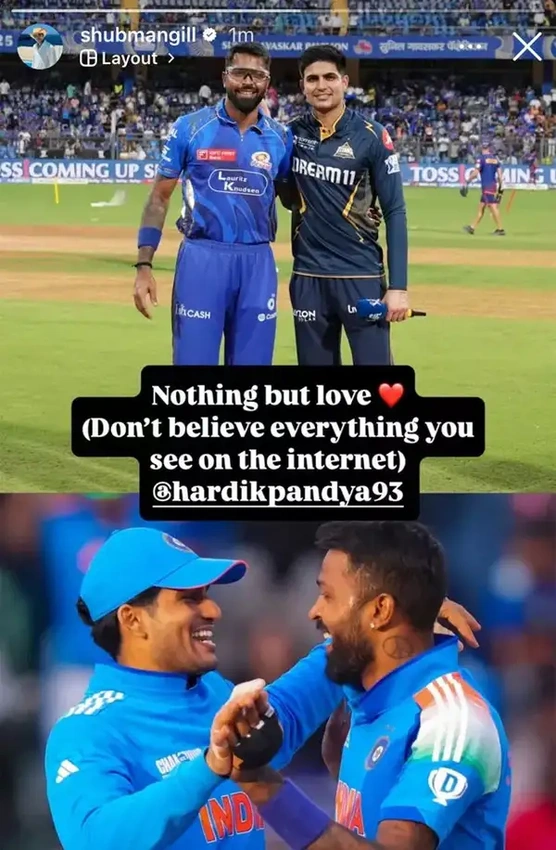
In cricket, the IPL usually garners a lot of attention on social media. This season had more than before, with RCB, usually labeled as a meme team, winning the IPL. One particular moment that blew up was during a match between Gujarat Titans and Mumbai Indians. Most fans know the backstory; Hardik Pandya won an IPL with GT, led them to the final the next year but then made a controversial move back to MI. So when those two teams met this year, and Hardik didn’t shake hands with GT captain Shubhman Gill at the toss, it was everywhere. This moment got blown up all over social media, with Gill having to put a story to make it seem like everything was fine. There are many more instances like this, especially linked to the bigger personalities like Kohli and Dhoni, where every small thing they do is over-analysed and misinterpreted.
When Athletes Become Their Own Narrators
Lamine Yamal, the young 17-year-old prodigy for Barcelona and Spain, is the poster boy for this new era. Super active on social media, always posting stories before games; whether it's to clap back at memes or to respond to press conferences. He’s earned a reputation for talking the talk and walking the walk… until recently, that is, when Spain lost to Portugal in the Nations League final.
He is, most infamously, known for the story he posted before the Euro 2024 semi-finals against France. In response to a jab from French player Adrien Rabiot, Lamine posted a story: “Move in silence. Speak when it’s time to say Checkmate.” After scoring the goal of the tournament and knocking France out, he looked at the camera and said, “Speak now, speak now.” It was cold, calculated, and pure internet gold. He’s done similar stuff before the El Clasicos and even in the recent Nations League semi-final against France and it finally backfired when he did it before the finals against Portugal.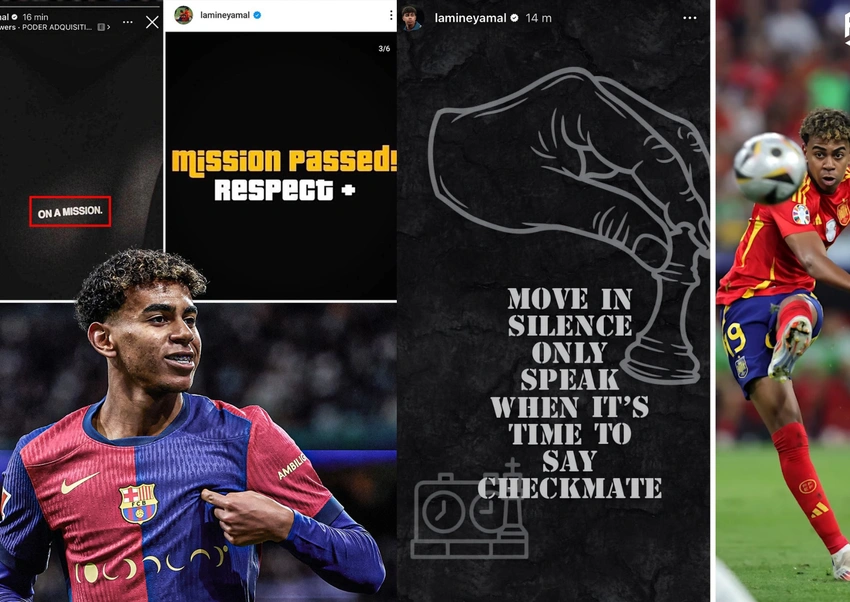
The Double-Edged Sword of Social Media
The most dangerous impact social media can have today is the nonstop trolling players face, especially this new generation who are very online. Last year, the amount of hate that Hardik Pandya received because of his transfer to MI was grossly unjustified and should not be entertained. People hide behind the anonymity of social media and forget that these stars are human beings, hating on them in the most vile ways.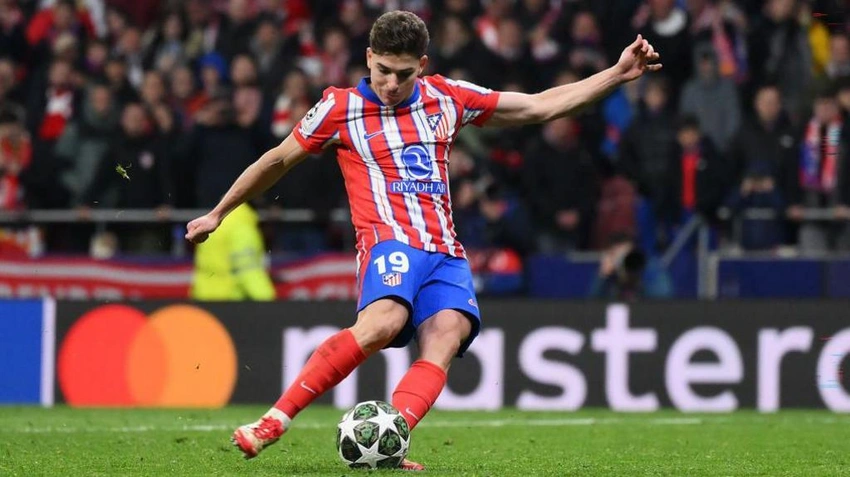
Social media has brought together more people without toxicity as well, creating healthy fan environments for a lot of people. It has educated a lot of people on the stories behind many athlethes, giving context they never had before. . And it helps during controversial moments too. Take the Champions League Round of 16 match between Atletico Madrid and Real Madrid. A VAR decision disallowed Julian Alvarez’s penalty for a double-touch during the shootout. The clip was everywhere. Even if the decision couldn’t be changed, fans debated it, learned the rules, and gained awareness.
#SportsCulture #SocialMediaImpact #FanExperience #Cricket #Football
