Noah Kahan’s The Great Divide: Between Home and Elsewhere


Noah Kahan’s The Great Divide: Between Home and Elsewhere
Noah Kahan’s The Great Divide: Between Home and Elsewhere
Noah Kahan returns with The Great Divide, layering emotion over time as he explores distance between past and present selves, memory and fame, intimacy and performance.
There is something almost stubborn about the way Noah Kahan refuses to outgrow his own voice. The Great Divide arrives not as rupture but as sedimentation: layer upon layer of the same emotional terrain, deepened, complicated, but rarely abandoned. Following the cultural afterlife of Stick Season, this new record feels less like a reinvention and more like a reckoning with what it means to remain recognisable.
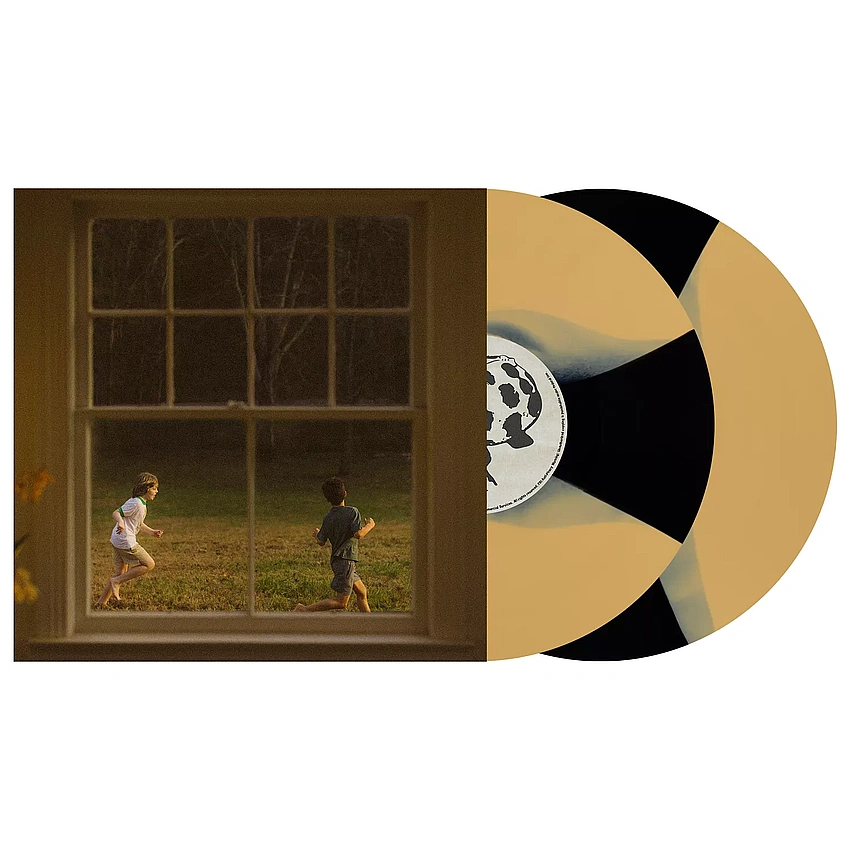
An Album About Distance That Refuses Clean Separation
At its core, The Great Divide is preoccupied with distance, though not in any simplistic geographical sense. The album circles around emotional estrangement: between past and present selves, between small-town memory and public visibility, between intimacy and performance. The title itself gestures toward this fracture, not as a dramatic break but as a slow widening; something lived rather than declared.
The songwriting frequently stages this distance through narrative fragments: car rides, half-finished conversations, the afterlife of relationships. The sense of “divide” is rarely resolved; instead, it lingers as an ongoing condition. This aligns with the album’s broader preoccupation with growth as loss, where maturity is inseparable from a certain kind of disconnection.
The Sound of Familiarity
Sonically, the album remains firmly within Kahan’s established folk-pop idiom. Acoustic textures dominate, with occasional expansions into piano-driven or lightly anthemic arrangements. The production, while polished, is notably restrained, rarely overwhelming the vocal centre.
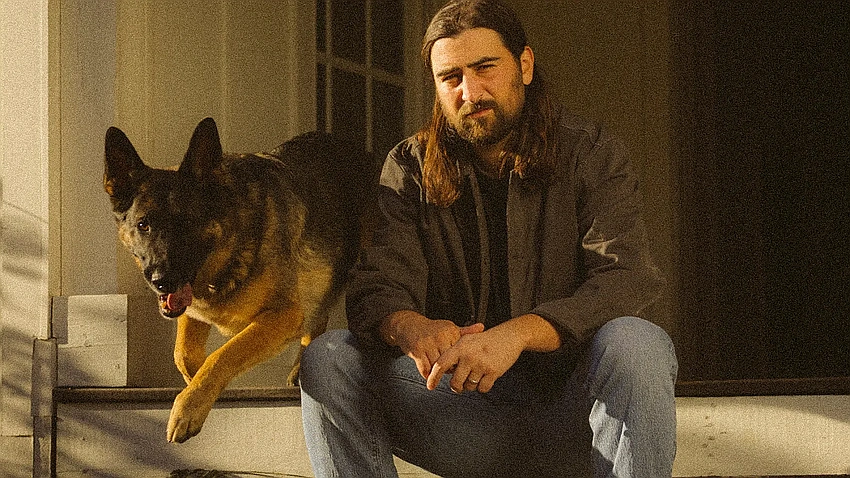
This restraint preserves the confessional intimacy that has become Kahan’s signature, allowing his voice to carry emotional weight without distraction. At the same time, the reliance on this aesthetic raises a question the album itself cannot fully avoid: how much repetition can intimacy sustain before it risks stagnation?
There are subtle shifts. A slightly broader sonic palette, moments of heartland rock inflection, and the influence of collaborators like Aaron Dessner introduce texture without fundamentally altering the blueprint. Yet these changes feel incremental rather than transformative.
From Nostalgia to Self-Interrogation
What distinguishes The Great Divide from its predecessor is not its sound but its tonal recalibration. Where Stick Season often lingered in wistful nostalgia, this album turns inward with sharper edges. There is anger here, but also a more uncomfortable self-awareness.
The figures populating these songs are no longer distant memories but active presences. Relationships are not merely mourned; they are examined, sometimes with an almost forensic attention to personal failure. This shift complicates the emotional economy of the album. The speaker is not just the abandoned but also, at times, the abandoning.

The effect is a more dialogic form of storytelling. Others are allowed subjectivity, even resistance, unsettling the earlier tendency to render them as absences. In this sense, the “divide” becomes relational rather than solitary.
Fame, Anxiety, and the Public Self
Threaded through the album is a quiet but persistent anxiety about visibility. The success that followed Stick Season becomes both context and burden, shaping the emotional landscape of these songs. The divide here is not only between people but between identities: the private self and the public figure.
This tension manifests in moments of self-doubt and reflexivity, where the act of songwriting itself seems under scrutiny. The album often reads as an attempt to reconcile authenticity with performance, though it never quite resolves the contradiction.
There is an interesting paradox at play. The more Kahan writes about disconnection, the more he reinforces the intimacy that connects him to his audience. Vulnerability becomes both subject and strategy.
Length, Excess, and the Problem of Scale
At seventeen tracks, The Great Divide risks overstaying its welcome. The abundance of material creates a certain thematic diffusion, where individual songs blur into one another. This is not a failure of craft so much as a question of curation.
The repetition of driving, memory, small-town imagery produces coherence but also fatigue. What might have felt poignant in isolation occasionally becomes redundant in accumulation. The album’s emotional register, while sincere, struggles to sustain variation across its extended runtime.
And yet, this excess is not entirely without purpose. It mirrors the very condition the album seeks to articulate: the inability to neatly contain or resolve one’s past. The sprawl becomes, in a sense, thematic.
Staying Put, Moving On
What ultimately emerges from The Great Divide is a curious kind of stasis. The album does not dramatically advance Kahan’s sound, nor does it attempt to. Instead, it dwells. This can feel frustrating if one is looking for reinvention. But it also speaks to a different artistic impulse: the desire to inhabit a space more fully rather than escape it.
There is a quiet insistence here that growth is not always synonymous with change. Sometimes it is a matter of returning, again and again, to the same emotional coordinates, mapping them with increasing precision.
The Divide as Condition
The Great Divide is less about crossing distances than about learning to live within them. It resists resolution, offering instead a sustained meditation on separation as a defining feature of contemporary life: between places, between selves, between who we were and who we are becoming.
If the album feels familiar, it is because the divides it traces are themselves familiar. Kahan does not transcend them; he documents their persistence. And in doing so, he produces something quietly compelling: an album that understands that some distances are not meant to be closed, only articulated.
#NoahKahan #TheGreatDivide #IndieFolk #AlbumReview #NewMusic
