Security Tightened as Shooting Disrupts WHCD Dinner

Security Tightened as Shooting Disrupts WHCD Dinner
Investigators say the gunman at the White House Correspondents' Dinner was a hotel guest who slipped through security, prompting evacuations and renewed questions about protecting political events.
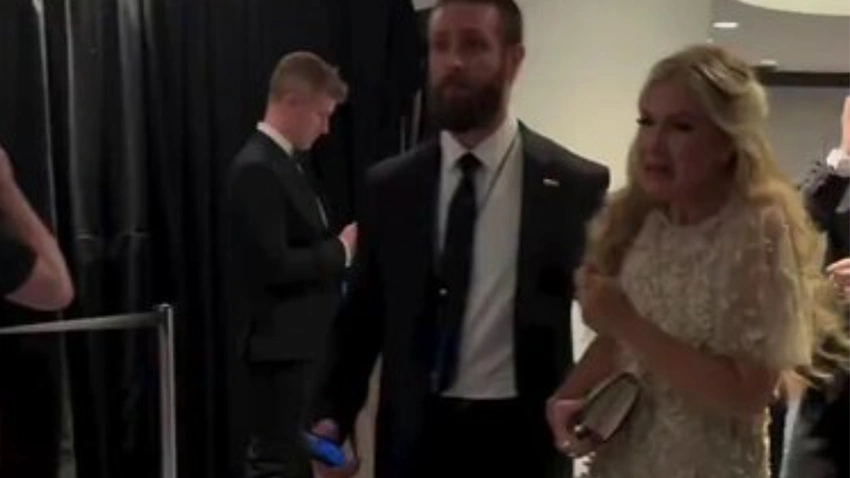
A shooting that interrupted the White House Correspondents' Dinner at the Washington Hilton prompted a rapid evacuation as investigators confirmed the gunman was believed to be a hotel guest who gained access through the outer perimeter. The event, which drew thousands of attendees and was slated to feature a speech by the president, highlighted the strength of a multi-layered security approach while raising questions about potential gaps when venue and hotel operations intersect.
Officials described a security system designed to screen entrants at multiple points. The Washington Hilton's perimeter was closed to the public from 2 p.m. and the 2,300 guests moved through additional checks, including ticket verification, invitations and affiliation documents, and magnetometer screenings before entering the ballroom cavernous enough to host a large crowd.
Police said the suspect stayed in the hotel and used that status to enter during the event. The disruption came as outside, protesters gathered in the rain, focusing their messages on the media attending the event. The evening was expected to be an important moment for the press corps and the political circle, with President Donald Trump slated to speak.
The incident is likely to renew scrutiny of security protocols at high-profile political gatherings. The venue’s history — including an assassination attempt on Ronald Reagan at the same hotel more than four decades ago — has long framed discussions about layered protection and response times. As investigators continue to piece together the sequence of events, questions about access controls, screening and post-incident procedures will be at the forefront of security reviews for future events.
Officials stressed that the response appeared coordinated and the containment of the situation helped limit harm, but the episode underscored the ongoing challenge of safeguarding high-profile events in an era of heightened political risk.
