Sally Rooney: the modern political writer archetype


Sally Rooney: the modern political writer archetype
Sally Rooney: the modern political writer archetype
An argument that Sally Rooney isn’t merely a novelist but a model of a writer whose politics live inside both fiction and public life. Her plain, intimate sentences reveal how class, labor, and desire shape our political
I want to argue something simple and slightly stubborn. Sally Rooney is not merely a novelist who happens to be political. She models a particular kind of writer for our moment: one whose politics live both inside the novel and in public life, and whose authority is produced as much by affectless intimacy as by explicit opinion. That combination is now, for better or worse, the archetype for a certain generation of literary political writer.

The private is political, written plainly
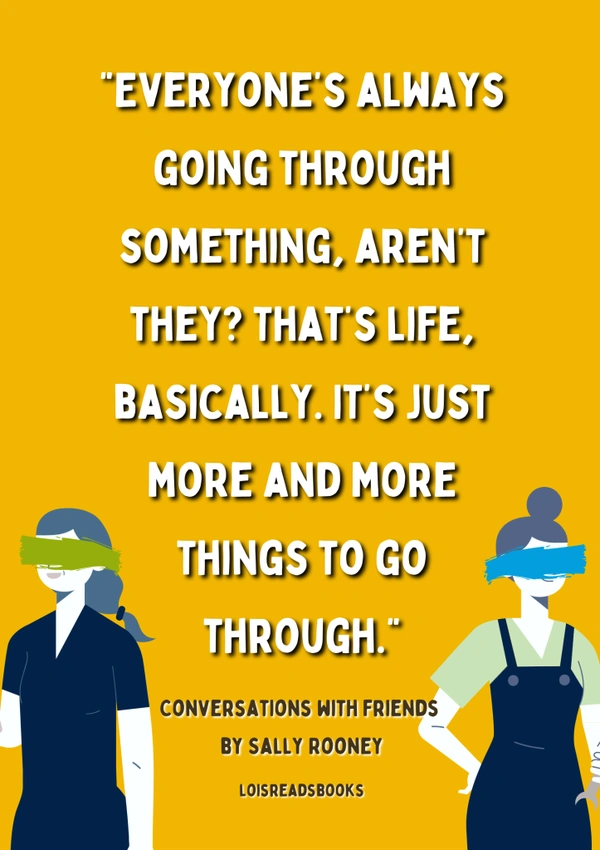
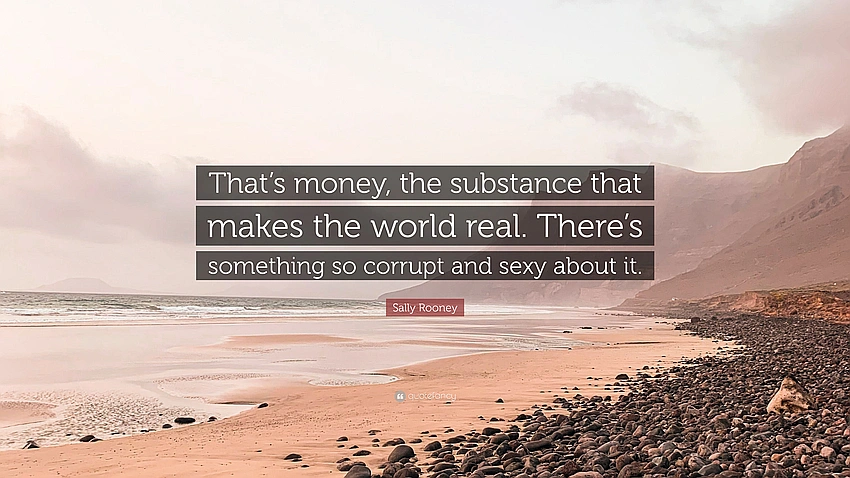
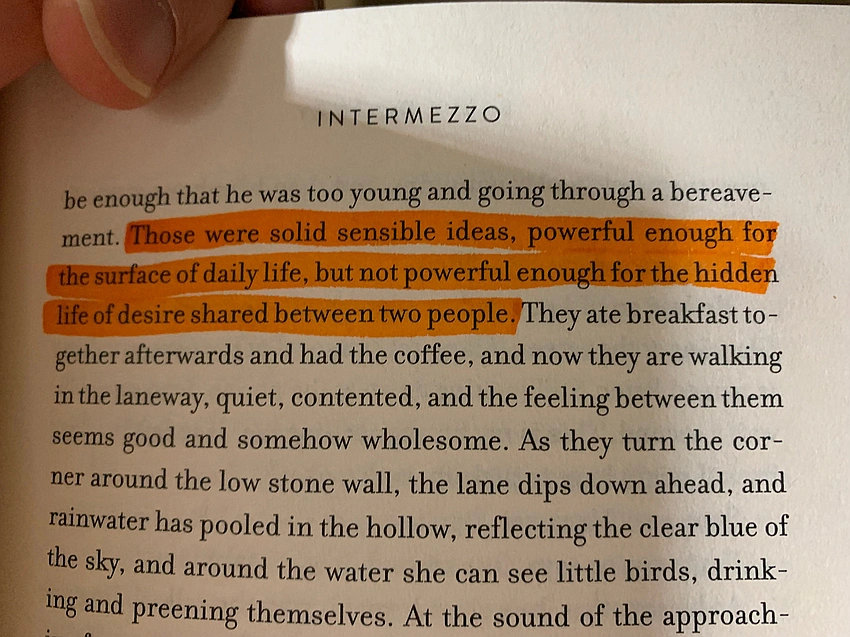
Rooney’s fiction feels like small rooms where the big world leaks in through the window. Her sentences are plain, almost elliptical, which lets ethical and material questions accumulate quietly in the reader’s head. Critics have long noticed how Rooney’s work stages class, labour and sexual politics through intimate scenes rather than manifestos. That technique means readers experience political structures as atmospheres. The pressure of money, the awkwardness of leftwing talk in cafés, and the inequality that shapes desire are central to how her novels think politically.
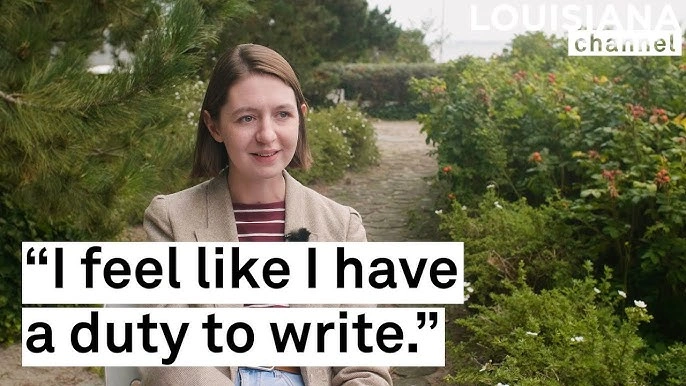
If you want an explicit statement of intent, Rooney has given one. In interviews, she has said she sees the world through “a sort of Marxist framework” and that her interest is in how class and economic structures shape private lives. She is careful about what she means by Marxism, and wary of slogans. Still, that self-description matters. It signals a willingness to let political categories inform character psychology rather than confine the text to polemic. That modest, theoretical posture is a big part of what makes her a model for writers who want politics to be integrated into form.
Politics in form, not just content
Rooney’s novels also show how form carries politics. Her conversational, confessional voice and close third-person register produce a sense of interior democracy: a reader is placed in the hush between two people and asked to judge. Scenes of sex, work, illness and friendship are rendered with an ethical attentiveness that invites political reflection without sermonising. Some readers find that restraint morally sharp; others read it as emotionally distant. Either way, Rooney’s technique teaches a generation that political writing need not sacrifice narrative subtlety for argument. It can be argumentative by implication.
Public life and literary life collide
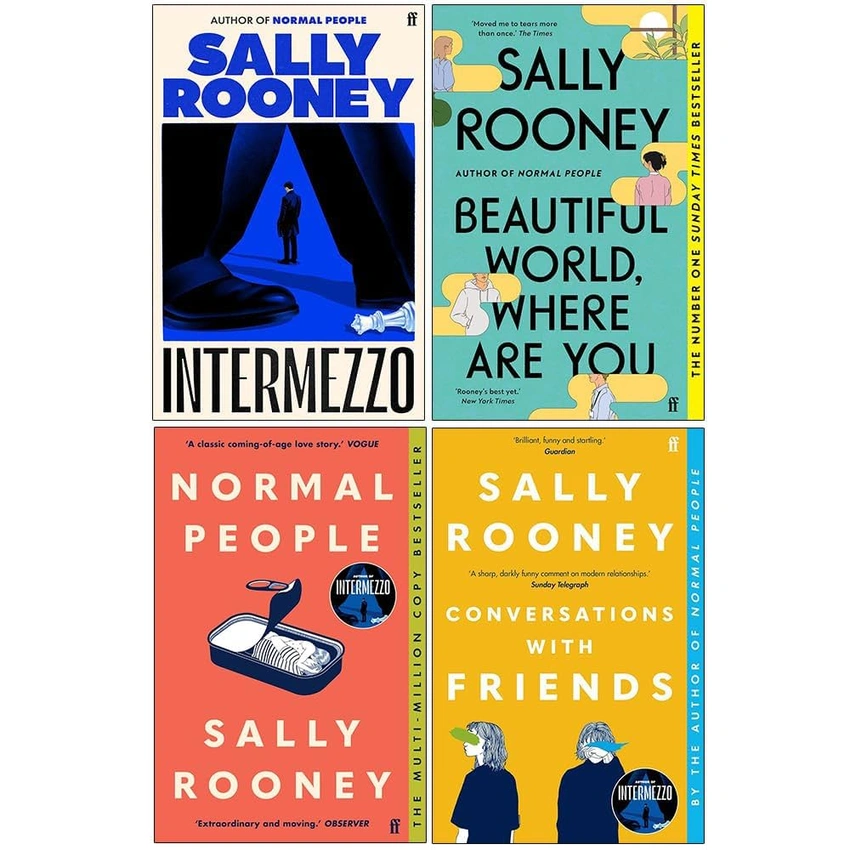
What separates Rooney from many predecessors is how seamlessly she moves between private fiction and public intervention. Her books have been adapted for television and widely discussed beyond literary circles, which has made her a highly visible public intellectual. That visibility amplifies everything she says outside her novels. When an author occupies both spheres, the novel and mainstream cultural conversation, their public positions begin to feel like part of their literary practice. The adaptations of Normal People and Conversations with Friends made Rooney’s voice culturally legible in a new way, turning private narrative affect into a mass conversation.
When activism becomes controversy
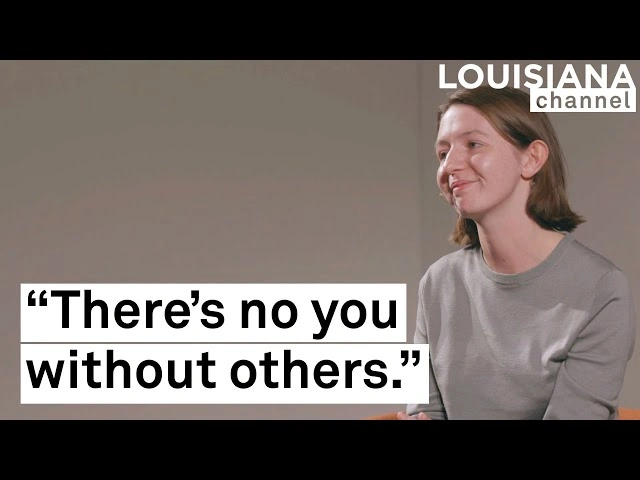
In recent years, Rooney’s public commitments have become more explicit and, at times, combustible. Her statements of solidarity and decisions about royalties and distribution have drawn legal and political attention, prompting debates about the line between artistic freedom and civic responsibility. That escalation is instructive. It shows how the modern political writer archetype can be celebrated for principled clarity and criticised for perceived performativity. It also reveals the practical consequences of mixing literary capital with political action: reputation, contracts and publicity are now part of the political ledger.
Why she is archetypal
Three features make Rooney emblematic rather than idiosyncratic. First, she writes politics into the smallest units of narrative life, which feels true to how many young people experience politics today. Second, she names an ideological stance in interviews, making private aesthetics legible as a political choice. Third, she does public politics in ways that are unavoidably mediated by celebrity. Put together, these traits map a path that many younger writers now follow: keep the novel as a space for subtle moral labour, but do not cede the public stage to pundits and politicians. The novel and the tweet become different registers of the same social imagination.
A caveat and a hope
I do not mean to suggest Rooney is the only model worth following. The risk of any archetype is that it ossifies into a formula: cool detachment plus a political line plus visibility. That would be a loss. What I value in Rooney is not the packaging but the experiment — namely, to keep aesthetic risk and political conviction in productive tension. If the generation of political writers she influences can retain that tension rather than reduce politics to branding, we will have gained something vital.
Sally Rooney gives us a template for a new kind of political author: lucid in style, intentional in ideology and unafraid of the public consequences of taking a stand. Whether you love or distrust this figure, it is impossible to deny the model’s cultural purchase. For a postgraduate reader like me, the interest is not only in the books. It is in the space Rooney opens where fiction and conviction can be cultivated together, awkwardly and urgently, in the same sentence.
#SallyRooney #LiteraryPolitics #PrivateIsPolitical #ContemporaryLiterature #BookAnalysis #PopCulture
