ChatGPT & Healing: Is Your Online Vulnerability Helping or Hurting?
ChatGPT & Healing: Is Your Online Vulnerability Helping or Hurting?
Using AI like ChatGPT for mental health is trending, but does sharing our 'coping mechanisms' online turn healing into a performance? We dive into the digital tightrope walk.
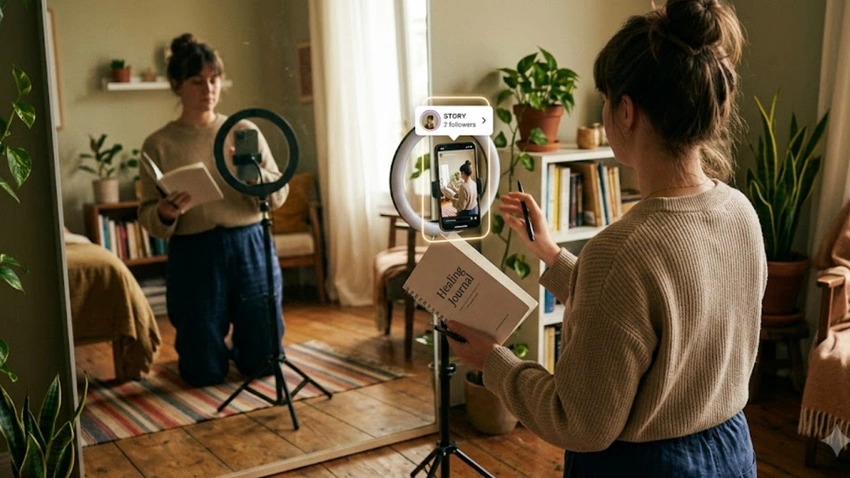
Our digital lives are increasingly intertwined with our emotional landscapes. There’s a growing trend to lay bare our struggles and triumphs online, often seeking solace or validation. But when the act of healing itself morphs into a “performance for the feed,” we have to ask: is this journey truly helping us, or subtly harming us?
Consider the rise of AI tools, like ChatGPT, now being embraced by some as a “coping mechanism.” On one hand, the appeal is clear: an always-available, non-judgmental listener. For those struggling to access traditional therapy or feeling isolated, the ability to process thoughts and emotions with an AI model offers a unique, immediate outlet. It can be a safe space to articulate feelings without fear of social repercussions, a silent confidante when human connection feels too daunting. This is a powerful, potentially transformative application of technology.
However, the line between authentic self-expression and curated content becomes blurry. When sharing our mental health journey online, we're not just journaling; we're often implicitly, or explicitly, seeking engagement. Every 'like,' every 'comment,' every share can feel like a dose of dopamine, reinforcing the idea that our vulnerability is a commodity. The pursuit of connection can easily spiral into a pursuit of validation, making the raw, messy process of healing feel less about internal growth and more about external approval.
This performative aspect can lead to several pitfalls. We might subconsciously edit our experiences, highlight the dramatic lows or the triumphant highs, to fit a narrative that resonates with our audience. The nuance and complexity of mental health can be flattened into bite-sized, digestible content. Are we truly processing our grief, or are we crafting a compelling story about it? Are we genuinely celebrating our recovery, or are we demonstrating resilience for public consumption? The pressure to maintain a certain image, even a 'vulnerable' one, can be immense.
Moreover, the digital space, while offering connection, also exposes us to comparison and unsolicited advice. Your carefully crafted narrative of healing might be met with judgment, skepticism, or well-meaning but ultimately unhelpful platitudes. This can invalidate genuine feelings and erode the very trust we sought to build by sharing.
While tools like ChatGPT can provide an initial, private avenue for processing, and sharing online can foster community, we must approach both with eyes wide open. The digital realm is a powerful amplifier, and it can amplify both healing and harm. Before we post, we should pause and ask ourselves: Is this for me, or is this for the feed? Is my healing journey a deeply personal process, or has it become another performance in the endless scroll? True healing often happens in the quiet, uncurated moments, far away from the glow of a screen.
