Oil surge and Iran conflict spark UK cost-of-living fears in energy market turmoil

Oil surge and Iran conflict spark UK cost-of-living fears in energy market turmoil
Oil prices rise amid Middle East tensions, threatening a 10% jump in UK energy bills from July and renewed cost-of-living pressures.
A surge in oil prices driven by the escalating conflict in the Middle East has sparked fears of a fresh UK cost-of-living squeeze. Brent crude climbed above $88 a barrel, its highest level since April 2024, and markets were braced for what could be the biggest weekly rise in six years. With energy bills already under pressure, analysts warn that bills could jump around 10% in July as gas prices stay elevated and wholesale energy markets remain volatile.
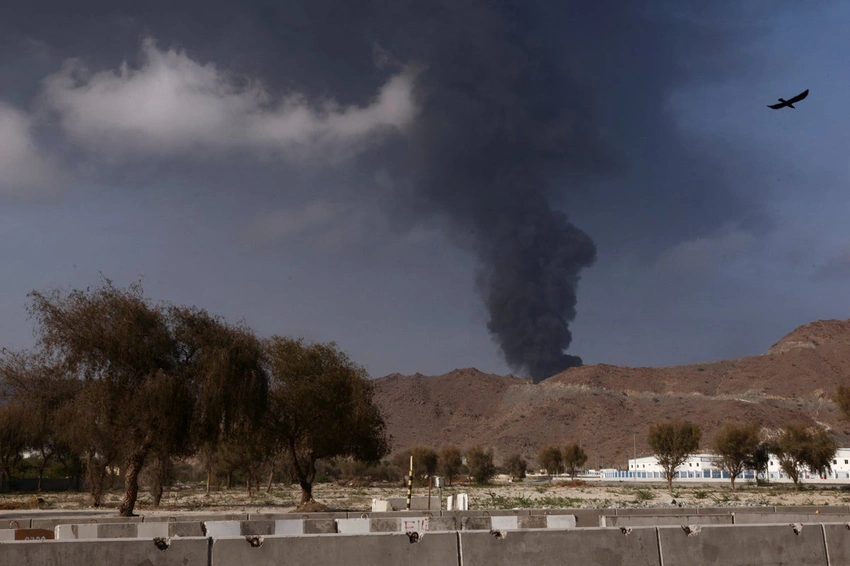
The disruption to shipping routes in the Strait of Hormuz, along with Iran's threats of retaliation and a halt in gas production by Qatar, has pushed wholesale prices higher. Several major energy suppliers have pulled fixed-price tariff deals altogether, and the UK's largest energy provider has raised tariffs and added exit fees in response to surging gas and oil costs. The current price cap suggests bills may fall in April, but experts say the trend points to a rise from July.
Beyond energy bills, the tension adds to inflation pressures that could affect mortgages, savings, and the price of groceries. With the US and its allies targeting Iran, traders worry about longer-lasting volatility that could keep borrowing costs higher and complicate households' budgets.
Looking ahead, markets expect continued volatility in energy and macro markets. For households, the immediate takeaway is to review energy deals and consider hedges if available, while policymakers may be watching the situation for any steps to ease the squeeze.
