Why Siblings Know Versions of Us No One Else Does

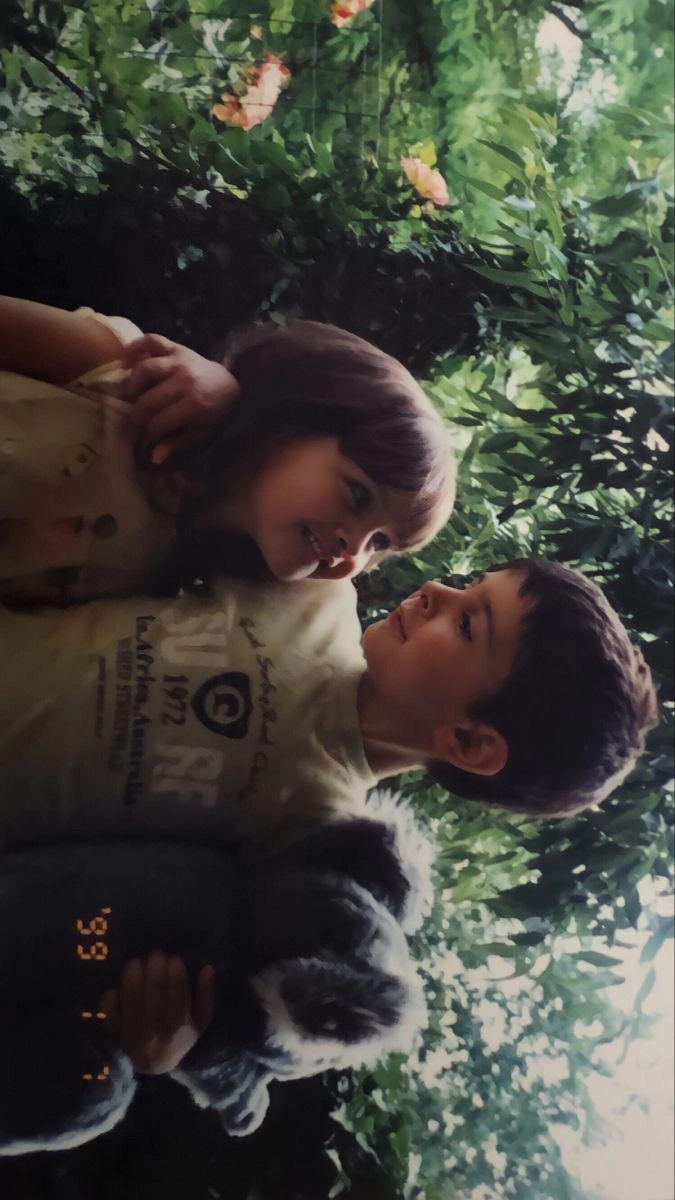
Why Siblings Know Versions of Us No One Else Does
Why Siblings Know Versions of Us No One Else Does
Among all relationships in life, sibling relationships often remain the least dramatic publicly and yet the most quietly permanent. They are built not through formal choice, romantic idealization, or carefully introduced friendship, but through years of ordinary shared existence: rooms, routines, family tensions, private jokes, small conflicts, repeated habits, and countless moments so ordinary that they rarely seem important while happening.
And because of this long, ordinary closeness, siblings often know versions of us that no one else fully does.
They know who we were before we learned how to present ourselves clearly to the world.
Before confidence became practiced.
Before language became careful.
Before certain losses, ambitions, or responsibilities changed us.
This early knowledge creates something unique: siblings often carry memory of our unedited selves.
A sibling remembers how you reacted before you knew how reactions looked from the outside. They remember childhood fears, strange obsessions, unnecessary arguments, habits you forgot you once had, phases you no longer mention, and emotional patterns visible before adulthood taught restraint.
This memory matters because it exists outside the versions people meet later.
Friends usually know who you became when friendship began.
Partners know the self that exists within chosen intimacy.
Teachers, colleagues, classmates, and acquaintances know versions shaped by context.
But siblings often know multiple versions layered across years, including those no longer visible.
This creates a kind of familiarity difficult to replicate elsewhere.
A sibling may notice your mood before you explain it because they have already seen earlier forms of the same silence years ago.
They may understand which irritation is temporary and which quietness means something heavier.
Even when siblings are not emotionally expressive, this recognition often exists underneath conversation.
It is built through repetition rather than explanation.
Shared family life also gives siblings access to contexts others rarely fully understand. They know how certain family events felt from inside, not because stories were told later, but because they were there too.
A sibling often remembers the same house differently but with overlapping emotional landmarks: who sat where, what certain mornings felt like, how tension entered a room, which small moments became unexpectedly important.
This is why sibling conversations often move strangely between deep familiarity and ordinary argument. Two people can disagree intensely while still understanding each other through layers of history impossible to erase.
The relationship survives because history remains larger than one conversation.
Another reason siblings know hidden versions of us is that they witness us during transitional stages that others miss.
They see adolescence from close distance: the awkwardness, defensiveness, insecurity, sudden independence, contradictions, temporary identities tried and abandoned.
These phases are often difficult for outsiders to fully understand because they pass quickly and unevenly.
But siblings remain present through them.
They know what you were like when you insisted you had changed but clearly had not yet.
They remember the phase when you listened to one song repeatedly, wore something questionable, became suddenly quiet, or reacted dramatically to things that later seemed small.
These details may sound trivial, yet together they create deep emotional knowledge.
They reveal continuity beneath change.
Even adulthood does not fully remove this dynamic. However independent siblings become, there is often still a subtle awareness that somewhere in another person’s memory exists a much earlier version of you.
Someone who remembers your voice before it changed emotionally.
Someone who knows what your confidence looked like before it became stable.
No relationship built over so many years remains simple. There are disagreements, differences in personality, phases of distance, comparisons, misunderstandings.
Yet beneath those shifts remains the fact that siblings witnessed parts of life no later relationship can fully reconstruct.
They saw beginnings.
And beginnings matter.
Because the people who knew you before you knew fully who you would become often hold a kind of knowledge that later closeness cannot entirely replace.
Not better knowledge.
But older knowledge.
Layered, ordinary, sometimes quiet, sometimes inconveniently accurate.
And perhaps that is why siblings know versions of us no one else does: because they were there before identity became something we learned to explain.
They remember who we were before we began editing ourselves for the world.
And somewhere within that memory, even adulthood still remains partly visible.
