Eat Pray Love and the Promise of Reinvention


Eat Pray Love and the Promise of Reinvention
Eat Pray Love and the Promise of Reinvention
Two decades after Eat Pray Love, critics ask whether turning personal healing into a marketable blueprint makes travel feel more marketing than meaning. A fresh take on a beloved memoir.
Few books have shaped the modern imagination of self discovery quite like Eat Pray Love. Elizabeth Gilbert's 2006 memoir, and its subsequent film adaptation, popularised the idea that leaving everything behind, travelling across continents, and eventually finding love could heal a fractured self. It became more than a memoir. It became a cultural script.
Yet nearly two decades later, that script feels increasingly fragile. This is not because Gilbert's experiences were dishonest or meaningless. They were her own. The problem begins when a deeply personal memoir is treated as a universal roadmap. Somewhere between Italy's abundance, India's spirituality, and Bali's romance, self discovery became something that looked remarkably marketable.
Perhaps the question is no longer whether Eat Pray Love is inspiring. It is whether we have misunderstood what healing actually demands.
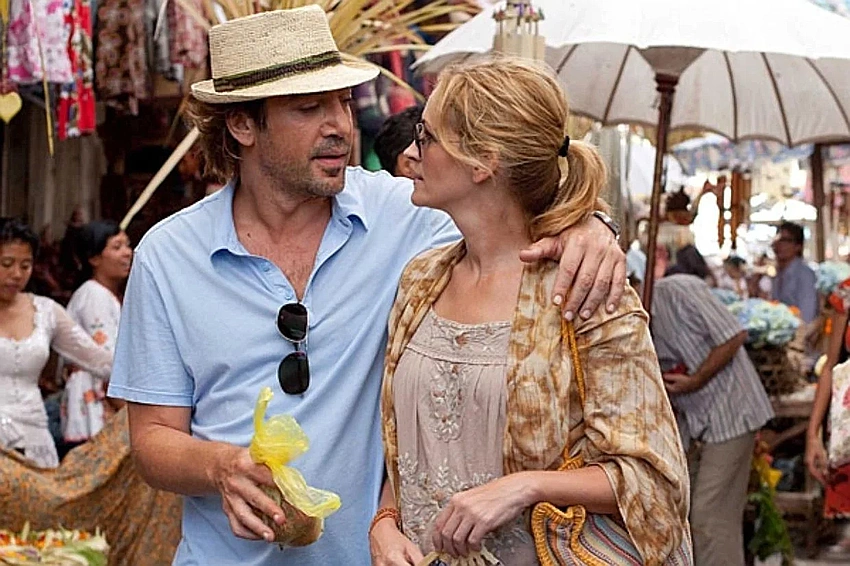
Travel changes scenery, not psychology
The appeal of travel as transformation is understandable. New places interrupt familiar routines. They create enough distance to reflect on the life left behind. Anthropologists and psychologists alike have noted that travel can encourage new perspectives and greater self awareness.
But travel is rarely a substitute for emotional work.
One of the recurring criticisms of Eat Pray Love is that movement is often presented as if it naturally produces healing. In reality, unresolved grief, anxiety, loneliness, or trauma tend to travel with us. Airports cannot confiscate emotional baggage.
This is perhaps why so many people experience what psychologists sometimes describe as post holiday disappointment. Returning home often means confronting the same relationships, responsibilities, and habits that existed before the journey. The landscape changes more quickly than the self.
Gilbert's memoir occasionally acknowledges this complexity. Meditation in India is difficult rather than miraculous. Growth arrives through repetition and discomfort rather than instant enlightenment. Yet popular culture distilled the story into something much simpler: buy the ticket, find yourself.
That simplification has proven far more influential than the memoir's quieter moments.

The privilege behind reinvention
There is another conversation that has become impossible to ignore.
The freedom to abandon one's life for a year is not universally available. It depends on financial security, professional flexibility, passports, and the ability to move across borders with relative ease. Critics have argued that Eat Pray Love reflects a form of privileged mobility, where self actualisation becomes accessible primarily to those who can afford it.
This does not invalidate Gilbert's journey. Personal stories are not required to represent everyone.
However, it does remind us that narratives of healing are never socially neutral. The ability to disappear into another country for reflection is itself shaped by class, nationality, and economic circumstance. When these realities disappear from view, reinvention begins to resemble consumption. Destinations become emotional products rather than places with histories and communities of their own.
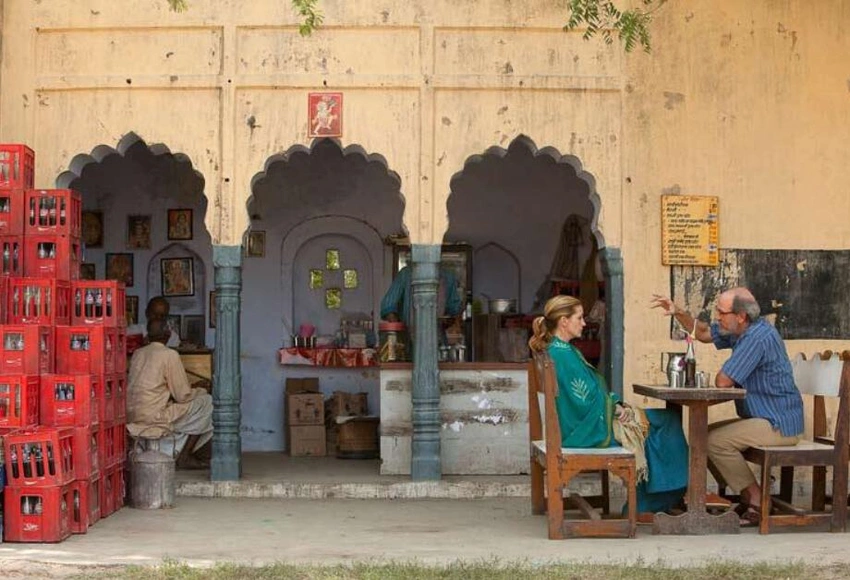
Romance is not the final chapter
The final movement of Eat Pray Love ends with romance. After months of personal searching, Gilbert meets Felipe in Bali, and love appears almost as a reward for inner growth.
There is undeniable emotional satisfaction in this ending. Stories often seek closure, and romance remains one of our favourite forms of narrative completion.
Real life is rarely so orderly.
Relationships can enrich a person's life, but they cannot permanently resolve insecurity or loneliness. Expecting romance to complete an unfinished self places impossible expectations on both partners. Contemporary psychology consistently suggests that healthy relationships depend upon emotional resilience rather than replacing its absence.
Ironically, one of the strongest ideas buried within Gilbert's memoir is that solitude matters. Learning to exist independently is not simply preparation for romance. It is valuable in itself. Unfortunately, the cultural memory of Eat Pray Love often remembers the love story more vividly than the solitude that preceded it.
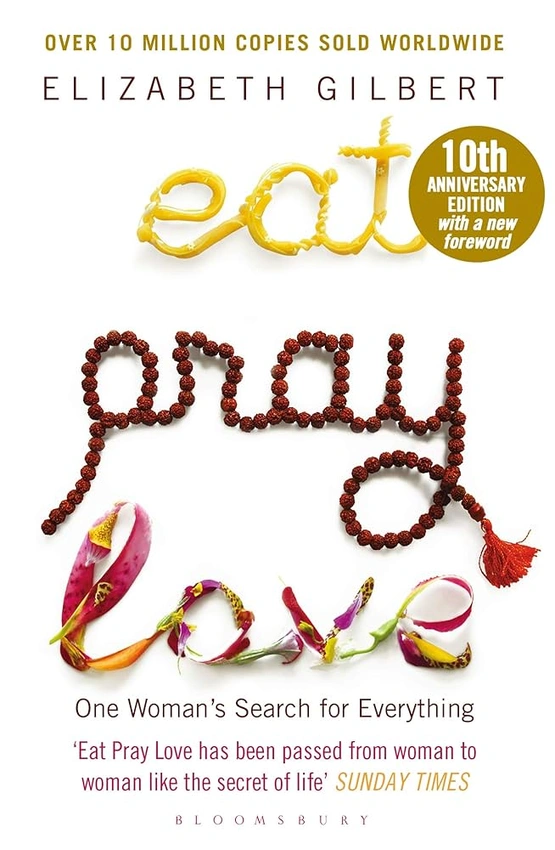
A story, not a prescription
None of this means Eat Pray Love deserves dismissal.
Gilbert wrote a memoir, not a psychological handbook. The problem emerged when publishers, audiences, and wellness culture transformed one woman's experience into a blueprint for happiness. The memoir became entangled with a booming self help industry that frequently promises transformation through consumption, whether that means buying retreats, booking flights, or chasing aesthetic lifestyles.
Perhaps the lasting lesson of Eat Pray Love is the opposite of the one most often repeated.
Travel can expand our imagination, but it cannot perform therapy. Romance can accompany healing, but it cannot replace it. Real change is slower, quieter, and considerably less cinematic than social media or bestselling memoirs often suggest.
The most difficult journey is rarely the one across countries. It is the one that continues after we return home, when there are no postcards left to collect and no new city waiting to reinvent us.
#EatPrayLove #SelfDiscovery #TravelCulture #MemoirCritique #CulturalCommentary
