US Gains Venezuela Oil: "Colonialism" Claims Erupt After Trump Deal
US Gains Venezuela Oil: "Colonialism" Claims Erupt After Trump Deal
Trump's "biggest oil deal" gives the US majority control of Venezuela's vast reserves. Is it economic recovery or a new form of colonialism? Get the details now!
President Donald Trump has unveiled what he touts as "THE BIGGEST OIL DEAL IN WORLD HISTORY," an arrangement that grants the United States a significant stake in Venezuela's immense oil reserves. This development follows the capture of then-President Nicolás Maduro in January, who was subsequently brought to New York on federal drug trafficking charges.
While the White House has released limited details, including a single social media post from Trump, the agreement reportedly gives the U.S. government and an unnamed private operator the rights to vast, untapped oil fields for a century. Venezuela's acting president, Delcy Rodríguez, described the deal as a critical step towards economic recovery and modernization of the nation's energy industry.
However, the specifics of this monumental agreement remain shrouded in secrecy. Key details like the start date for drilling, funding mechanisms, and even the full text of the agreement have not been made public. What is known is that the deal involves the development of 17 fields, boasting a proven potential of 65 billion barrels of oil.
It's projected to attract $100 billion in investment and generate over $209 billion in taxes for Caracas.
Negotiated by Secretary of State Marco Rubio, Defense Secretary Pete Hegseth, and Delcy Rodríguez, the deal grants the United States 55 percent effective output of the new private company. This includes an ownership stake and the right to purchase oil at cost.
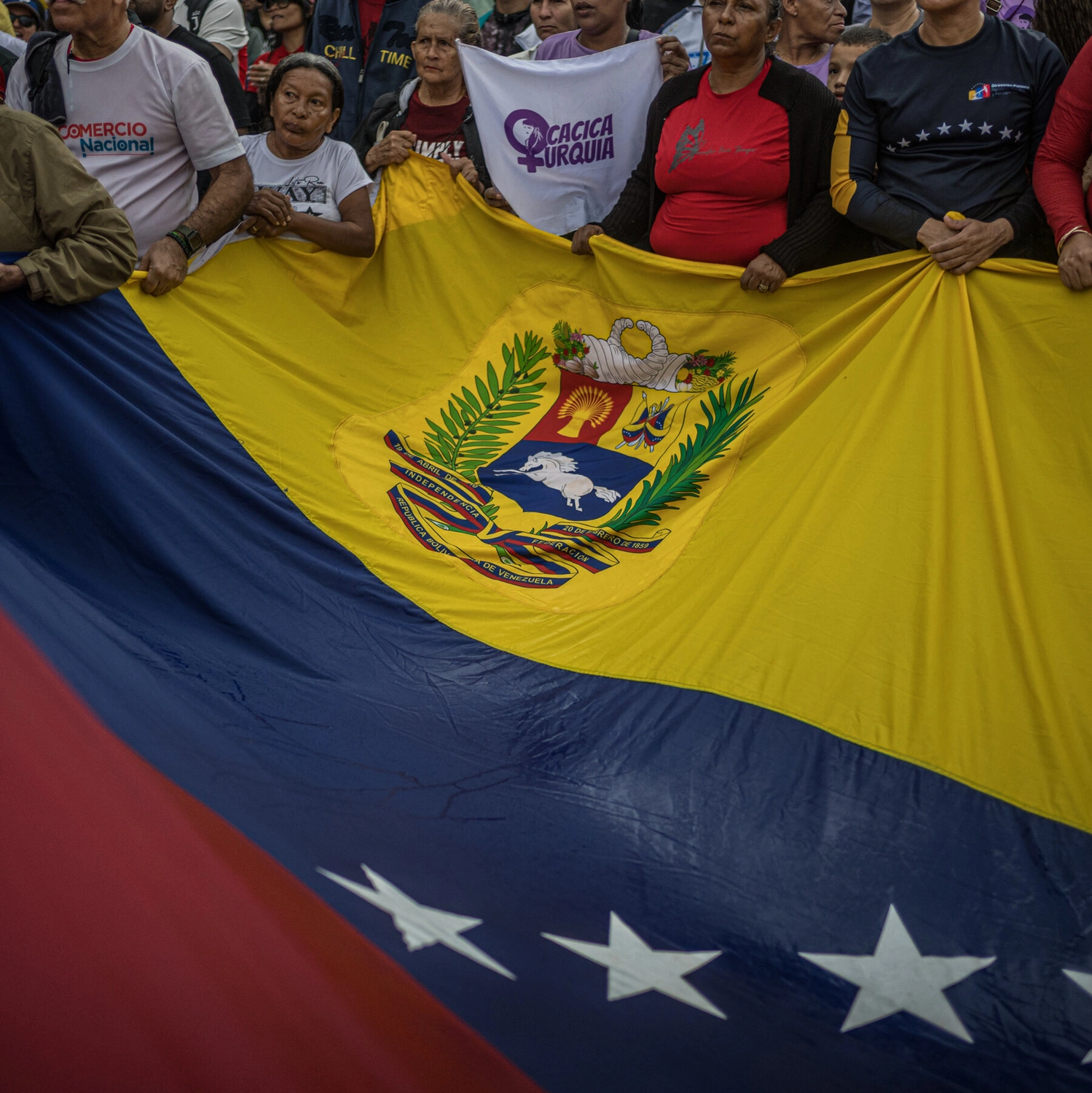
According to an anonymous U.S. official, the American share of the oil will bolster the U.S. strategic oil reserves and supply the military. Despite the promises of economic revitalization for Venezuela, the deal has ignited fierce criticism and concern, with many Venezuelans and observers characterizing it as "a new form of U.S. colonialism." This sentiment reflects a deep-seated apprehension that the agreement, while framed as beneficial, strikes at the very heart of Venezuela's national identity and sovereignty, effectively turning its natural resources over to foreign control.
The lack of transparency surrounding the terms only fuels these concerns, raising questions about the true long-term implications for the South American nation.

Login to comment.
No thots yet. Be the first to share your thoughts!