Early Fame: Why It's Like CTE for Young Performers

Early Fame: Why It's Like CTE for Young Performers
Unpack the silent struggles of child stardom. From relentless scrutiny to the lack of mental health support, discover why early fame can hit young actors like repeated head trauma.
The entertainment world often glorifies child stardom, showcasing glittering red carpets and adoring fans. Yet, beneath the surface lies a deeply unsettling reality, one that leaves indelible scars on young lives.
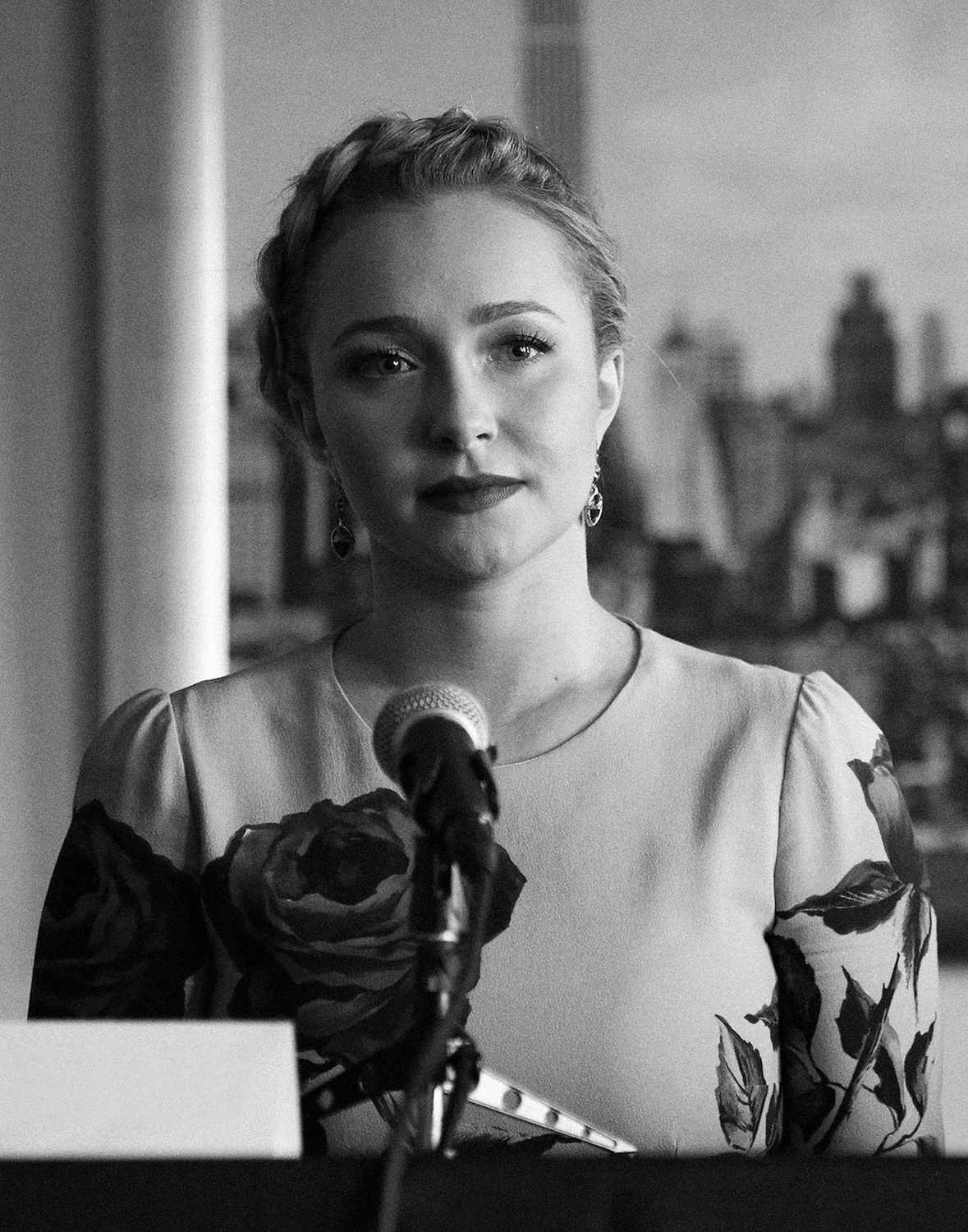
There's a pervasive anxiety within the industry, a chilling undercurrent that whispers of young talents 'gone too soon.' It's the constant worry that a peer, someone like a Hayden Panettiere, might succumb to the immense pressure - a thought that haunts many who grew up in the spotlight.
As one former 'Even Stevens' star, Christy Carlson Romano, insightfully puts it, “Early fame is like CTE.” This isn't a medical diagnosis, but a potent analogy for the repeated psychological impact. Imagine a childhood where stress, relentless scrutiny, constant rejection, overwhelming adult pressure, and the complete collapse of privacy aren't just occasional events, but the very architecture of your formative years.
While youth sports now have protocols, helmets, and parents worried about concussions, there's almost no language or structured support for what happens to the developing minds of young performers.
From the tenderest age, child actors face an unparalleled level of rejection: more before they're ten than most people encounter in a lifetime.
If they 'make it,' they're given the adoration of saints.
But fail to climb to the A-list fast enough, and they're torn down as if they've committed some unspeakable sin.
All of this unfolds before their frontal lobes have even fully formed, impacting their ability to regulate emotions and cope with trauma. Is it any wonder so many struggle with addiction? The industry, in essence, inflicts the wound and then acts surprised when these young adults reach for something: anything: to treat the pain.
The former child actor exists in a paradoxical category the world doesn't know how to hold. They are treated as children when the public wants to feel protective, professionals when the industry wants to profit, and then labeled 'spoiled celebrities' when they eventually show symptoms of having been both.
Their labor powers one of the most profitable storytelling machines on the planet, yet their mental needs are often dismissed as inconvenient or irrelevant. Social work guidelines? Often an afterthought.
As a society, we're slowly starting to see that notoriety comes at a profound cost, even if the repercussions don't surface until decades later.
Some, thankfully, find access to real help, support that addresses not just their thoughts, but their nervous system itself.
It's a description of what those who persist in seeking solutions eventually discover.
It's high time we acknowledge these unseen costs and demand a future where the well-being of young performers is prioritized as much as the profits they generate.
