Seven Microgenres You Need to Know: The New Sounds Defining 2025

Seven Microgenres You Need to Know: The New Sounds Defining 2025
Seven Microgenres You Need to Know: The New Sounds Defining 2025
Discover how 2025's music scene centers on microgenres—small, online-born experiments that evolve fast, blend memory and emotion, and reshape pop with glitchy textures and rapid edits.
Music in 2025 is less about sweeping genres and more about microgenres: self-contained experiments that grow online, circulate rapidly, and reflect the fragmented, hybridised cultural moment. They are small, often niche, yet influential, revealing how sound adapts to digital life, memory, and emotion. These seven microgenres are shaping the current sonic landscape, each with distinct approaches to texture, rhythm, and narrative.
1. Glitchcore
Glitchcore is built from digital fragments of stuttering beats, pitched vocal chops, and abrupt edits. Artists like 100 gecs and Jockstrap push pop’s boundaries into distortion and dislocation. The music thrives on tension: loops collapse, samples fracture, and conventional structure dissolves.
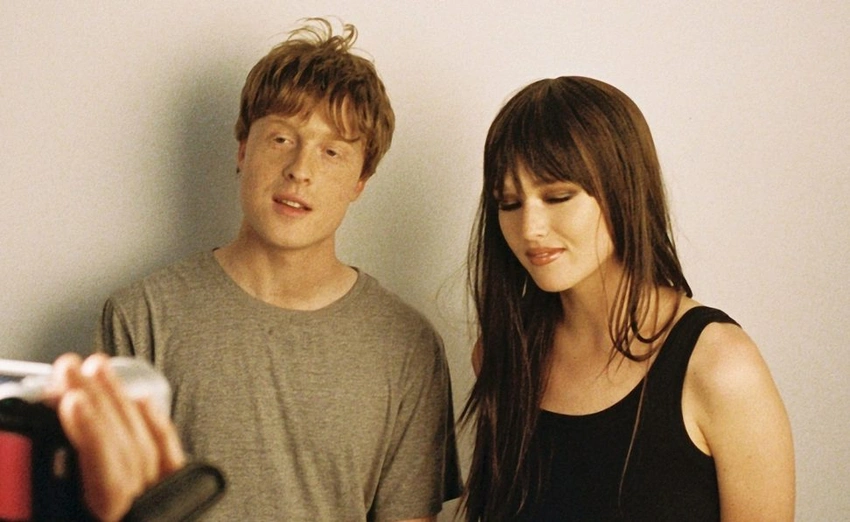
In listening, one notices the rhythm of attention itself, broken into rapid-fire sequences, mirroring the experience of the internet and constant notification culture. It is music designed for immediacy and intensity, where coherence emerges through engagement rather than expectation.
2. Bubblegrunge
Bubblegrunge merges the rawness of 1990s grunge with pop’s melodic sensibilities. Artists such as Soccer Mommy and Beabadoobee exemplify the genre, blending fuzzy guitars with bright hooks and confessional lyrics.
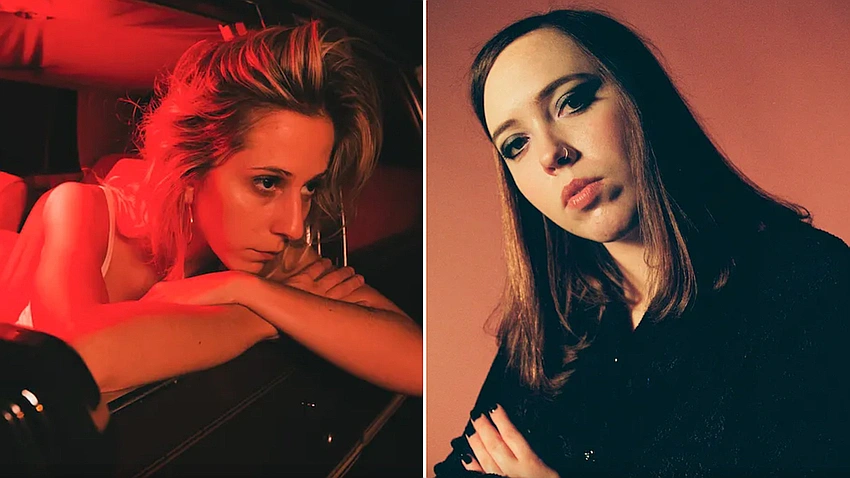
The appeal lies in its tension between heaviness and sweetness: songs are intimate and messy but remain accessible. Bubblegrunge captures the contradictions of adolescence and emotional immediacy, giving weight to vulnerability without sacrificing charm or catchiness.
3. Neo-Folk
Neo-folk combines acoustic storytelling with contemporary experimentation, often incorporating ritualistic and atmospheric elements. Osi and the Jupiter and Sufjan Stevens represent the genre’s emphasis on narrative depth and instrumental texture.
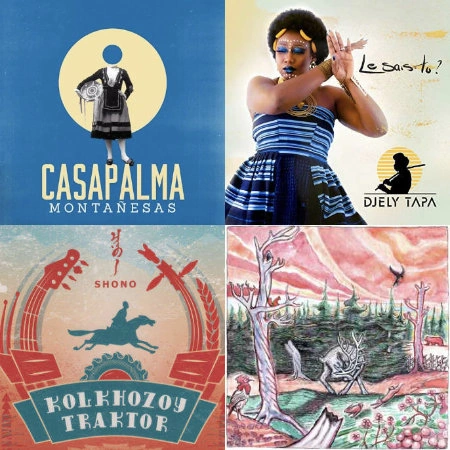
Neo-folk operates at the intersection of tradition and reflection, using folk instrumentation to explore historical, ecological, and personal themes. Its stripped-back aesthetic invites careful attention, revealing the layers of sound and meaning embedded in subtle arrangement choices.
4. Folktronica
Folktronica combines the acoustic elements of folk music with electronic production. Artists like Tunng, Bon Iver, and Four Tet create soundscapes where field recordings, synth textures, and organic instrumentation coexist.
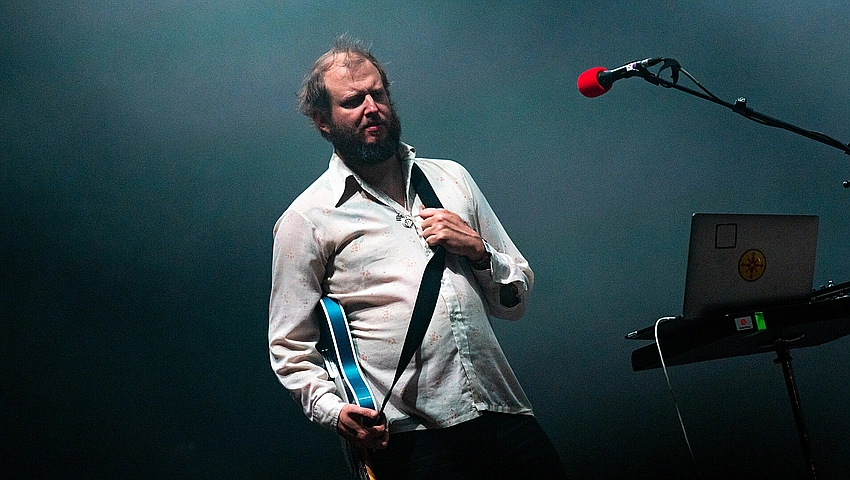
Folktronica is a hybrid in nature, balancing human imperfection with electronic precision. It is a genre that emphasises environment and mood, turning small gestures, an echoed guitar chord, a manipulated vocal into expansive sonic narratives.
5. Jazz-Rap
Jazz-rap blends the improvisational energy of jazz with the lyrical craft of hip hop. Contemporary exponents like McKinley Dixon, Noname, and Loyle Carner expand on the foundations laid by A Tribe Called Quest.
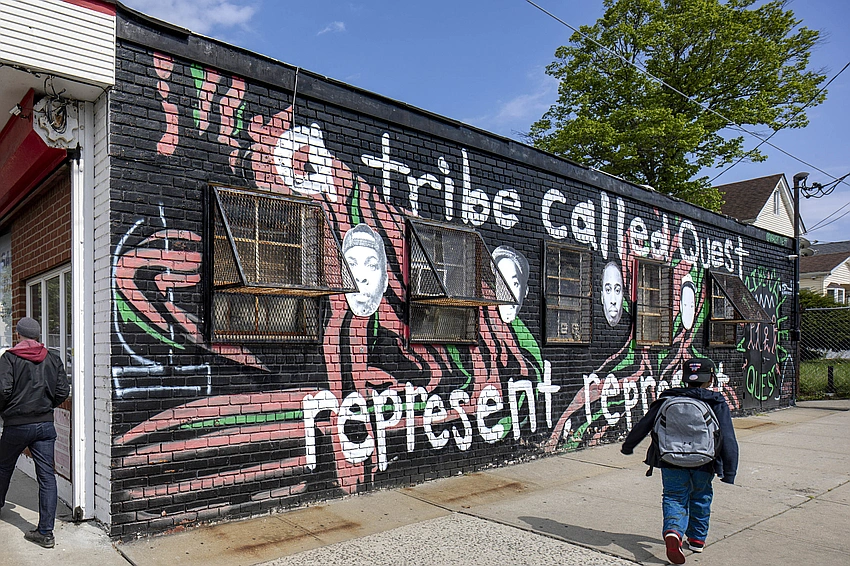
Upright bass, brushed drums, and subtle horns accompany complex, socially aware lyrics, creating space for reflection within rhythm. Jazz-rap demonstrates that genre hybridity can enhance storytelling, allowing music to remain both cerebral and visceral, meditative and socially engaged.
6. Progressive Pop
Progressive pop stretches mainstream pop structures, introducing conceptual depth, irregular arrangements, and layered production. Magdalena Bay, Caroline Polacheck, and FKA twigs exemplify the genre, balancing accessibility with ambition.
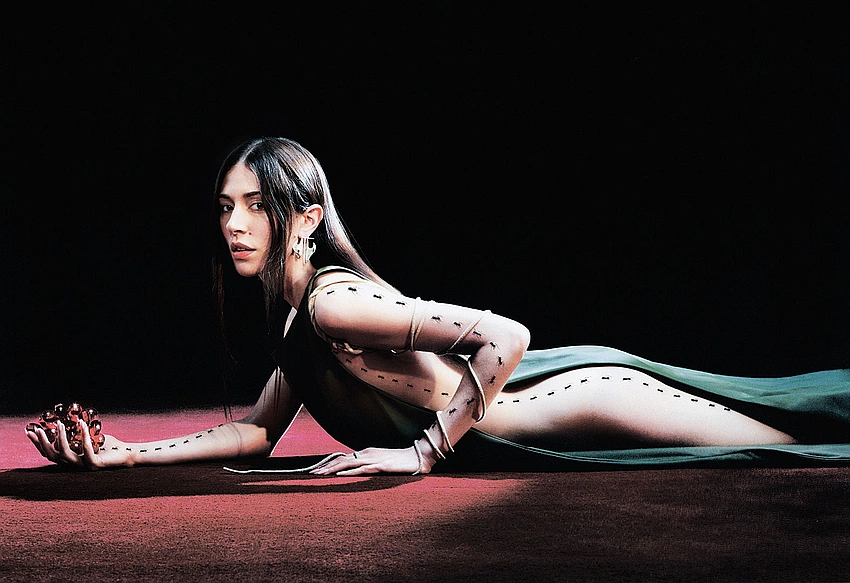
It embraces unpredictability: songs may shift textures mid-track, juxtapose rhythm and melody, or foreground narrative experimentation. Progressive pop highlights that pop can be exploratory without losing immediacy, creating music that is intellectually engaging as well as emotionally resonant.
7. Ethereal Wave
Ethereal wave prioritises atmosphere and texture, often featuring reverb-laden guitars, ambient synths, and layered, airy vocals. Influential figures include Simrit and the Cocteau Twins’ Elizabeth Fraser.
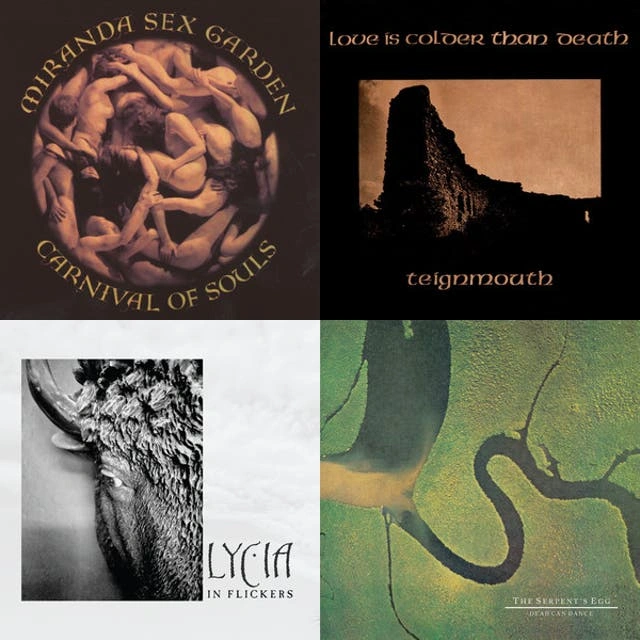
The genre’s strength lies in its ability to immerse the listener: it constructs soundscapes that encourage reflection, contemplation, and emotional resonance. Ethereal wave prioritises the affective qualities of sound, making listening an experience rather than a background activity.
Conclusion
These microgenres reveal the diversity and experimentation inherent in 2025’s musical culture. Glitchcore fractures rhythm and perception. Bubblegrunge balances grit and melody. Neo-folk revisits narrative and ritual. Folktronica fuses analogue and digital textures. Jazz-rap integrates improvisation with lyrical depth. Progressive pop challenges pop conventions. Ethereal wave constructs immersive atmospheres.
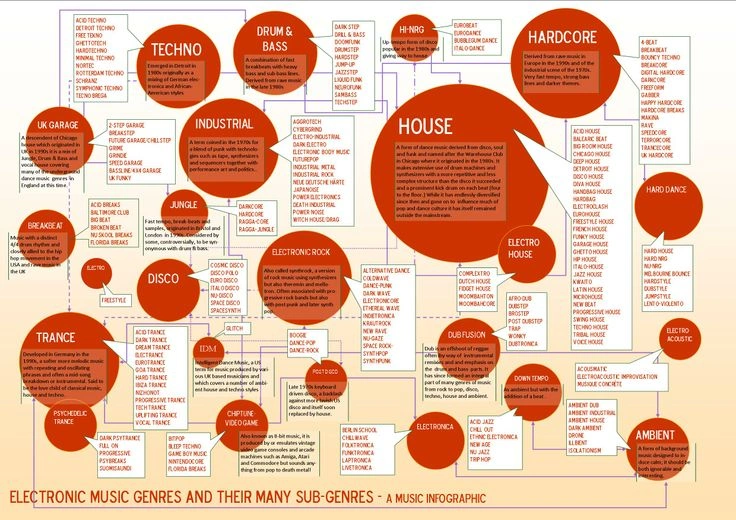
Taken together, they demonstrate that music in 2025 is attentive, exploratory, and hybrid. Each microgenre demands engagement, offering experiences that are textured, layered, and thought-provoking. In this landscape, listening is no longer passive: it is an act of interpretation, a way of understanding how contemporary sound can reflect the world we inhabit.
#Glitchcore #Microgenres #Music2025 #DigitalSound #IndieBeats #Culture #PopCulture #PopNews

Login to comment.
No thots yet. Be the first to share your thoughts!