Why Your Brain Lies: The Tricky Allure of the 'Good Old Days'

Ever feel like the past was just... better? Blame your brain's clever tricks. We uncover how nostalgia erases discomfort and amplifies today's woes.
The Nostalgia Trap: Why Your Brain Thinks the Past Was Always Better Than the Present
Ever catch yourself muttering, “Ah, the good old days,” even when a quick reality check reveals those days weren't exactly a picnic? You're not alone. Our brains have a sneaky habit of romanticizing the past, making it feel sunnier, simpler, and just plain better than our complicated present.
It's not just a passing thought, it's a deeply ingrained cognitive quirk, a phenomenon many psychologists call "rosy retrospection." We're not talking about healthy reflection, but a full-blown "nostalgia trap" where our memories play a flattering, often deceptive, trick on us.

The Brain's Selective Editing Suite
Think of your brain as a brilliant, if slightly biased, film editor.
When you recall past events, it's rarely a full, unedited documentary.
Instead, it's a highlight reel, skillfully curated to cut out the boring bits, the embarrassing moments, and-most significantly-the discomfort, anxiety, and mundane struggles.
Remember that summer job? You probably recall the camaraderie and the freedom, not the scorching heat, the demanding boss, or the meager pay. This isn't a flaw, it's a feature.
Our brains, seeking to maintain a positive self-image and emotional equilibrium, selectively encode and retrieve memories in a way that often smooths over rough edges. As Daniel Kahneman, the Nobel laureate, might suggest with his work on cognitive biases, our experiencing self and our remembering self can have vastly different narratives.
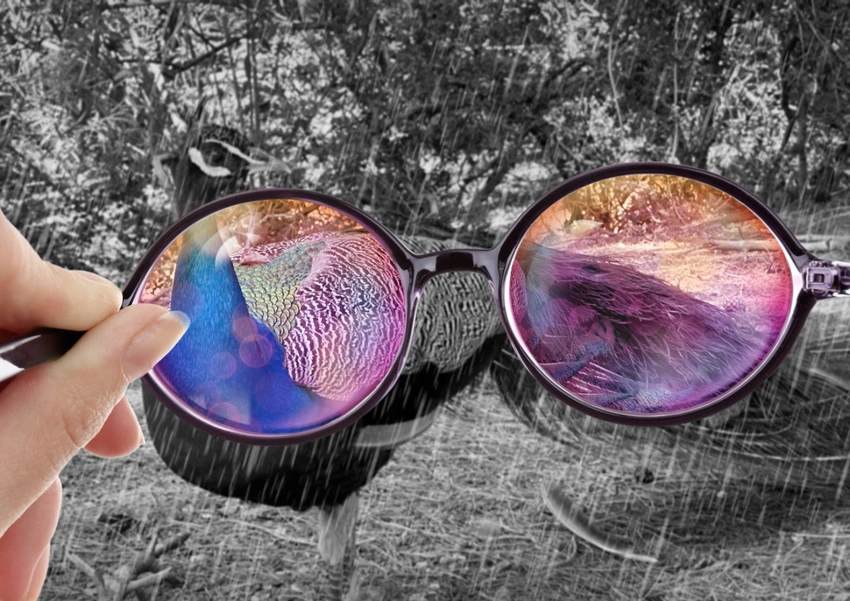
When the Present Gets a Raw Deal
While the past gets its glow-up, the present often faces a harsher spotlight. Our current reality, by its very nature, is immediate and unfiltered.
We're living through the traffic jams, the mounting bills, the tricky work email, and the endless stream of news.
There's no selective editing yet, no filter applied. This "present bias" means that today's stressors feel more acute, more pervasive, and often, disproportionately heavier than the filtered memories of yesterday's troubles. It's a cruel comparison, stacking the perfectly polished highlights of the past against the raw, unedited footage of the now.

The Echo Chamber of Collective Nostalgia
This personal tendency can also swell into a collective narrative. Think about how generations often speak of “the good old days”—whether it's baby boomers reminiscing about 1950s prosperity or millennials pining for the perceived simplicity of the 1990s.
These broad cultural narratives, often amplified by media, further reinforce our individual biases. We see it in politics, marketing, and even casual conversations. It's easy to get swept up in a shared sentiment that "things just aren't like they used to be," without truly questioning the historical nuances or acknowledging the progress we've made.
This isn't to say criticism of the present isn't valid, but sometimes, our shared longing for a simpler past is built on a foundation of selective memory.
Breaking Free: Embracing the Now
So, how do we escape this well-meaning but ultimately limiting "nostalgia trap"? The first step is awareness. Recognizing that your brain is actively curating your past can help you appreciate your present more fully.
Practice a form of mindful presence.
Instead of letting your mind wander to an idealized yesterday, ground yourself in the sensory details of today. As a wise friend once told me, “The past is a place of reference, not a place of residence.”
Consider keeping a "gratitude journal" not just for today's positives, but also to record the actual difficulties and triumphs, providing a more balanced future reference. This isn't about denying history or ignoring problems, it's about acknowledging the full spectrum of experience, past and present.
When you do, you might find that the present, with all its complexities, holds its own unique beauty and opportunities, if only we allow ourselves to truly see them.
After all, the 'good old days' might just be happening right now.
