Islamic NATO in the making? Turkey, Pakistan, Saudi pact looms

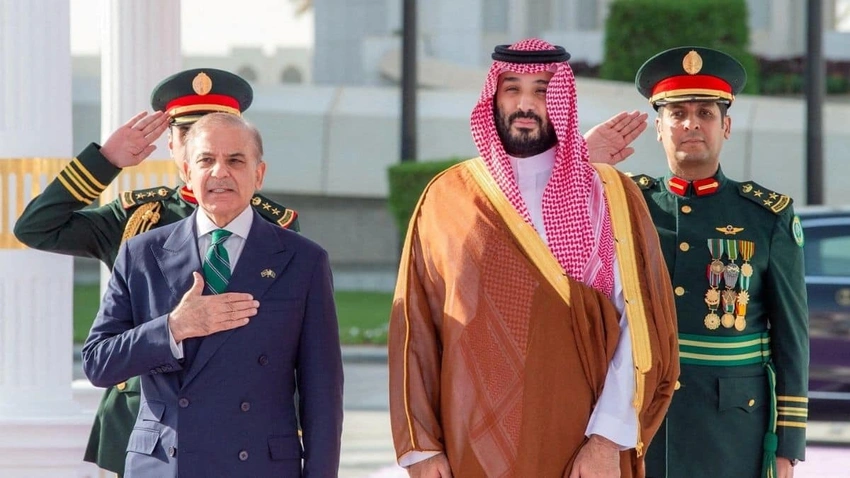
Islamic NATO in the making? Turkey, Pakistan, Saudi pact looms
A Saudi-Pakistan security framework could welcome Turkey, hinting at a new 'Islamic NATO' led by arms, cash and nukes—reshaping regional power.
A potential security framework linking Saudi Arabia, Pakistan, and Turkey is drawing global attention as talks reportedly move toward a formal, NATO-like mutual-defense arrangement. The proposal envisions a coordinated approach to regional security that leverages Saudi financial clout, Pakistan's nuclear deterrent, and Turkey's growing defense industry and military capabilities. In a shifting global landscape marked by questions about Western reliability, the idea of a unified Islamic-Arab security bloc is generating both interest and concern.
Under the emerging concept, members would pursue joint training, intelligence sharing, and coordinated defense procurement, aiming to create a faster, more integrated response to regional threats. Saudi funds could help accelerate modernisation of equipment, while Ankara’s industrial base would contribute new weapons, logistics, and strategic capabilities. The alliance would also signal a significant realignment in Middle Eastern and South Asian security dynamics, potentially altering the balance of power in ways that ripple beyond the region.
Yet the proposal faces multiple hurdles. Domestic politics, regional rivalries, and questions about command structures must be resolved before any formal agreement. Critics warn of heightened tensions with neighboring states and a risk that the pact could draw in external powers, complicating existing security architectures. Supporters argue that a disciplined, rules-based framework could deter aggression, stabilise flashpoints, and offer a credible alternative to broader, Western-led security commitments.
If these discussions advance, the pact could redefine regional security, turning three pivotal nations into a more cohesive strategic bloc. The broader question remains whether such a coalition can balance national interests with collective security while avoiding triggers for escalation in a volatile region.
