Hostile City: Is Your Public Space Designed Against You?

Hostile City: Is Your Public Space Designed Against You?
Ever noticed uncomfy benches or spikes? It's not just design. Uncover how hostile architecture is a deliberate economic strategy shaping our cities & who belongs. #UrbanDesign #CityPlanning
The Hidden Hand of Urban Design
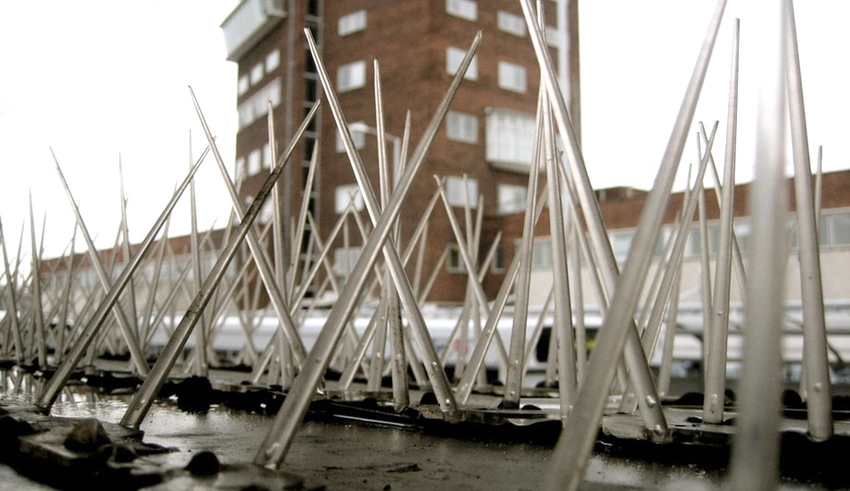
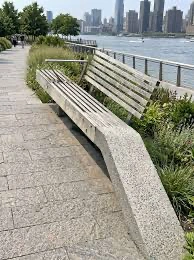
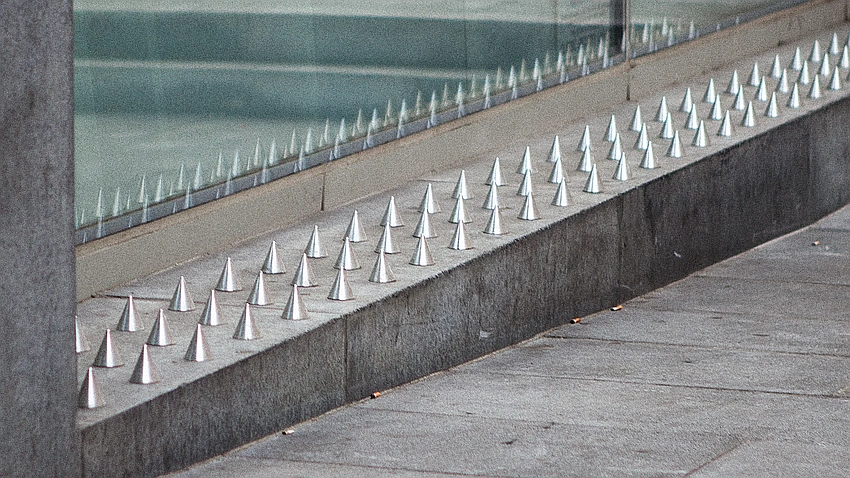
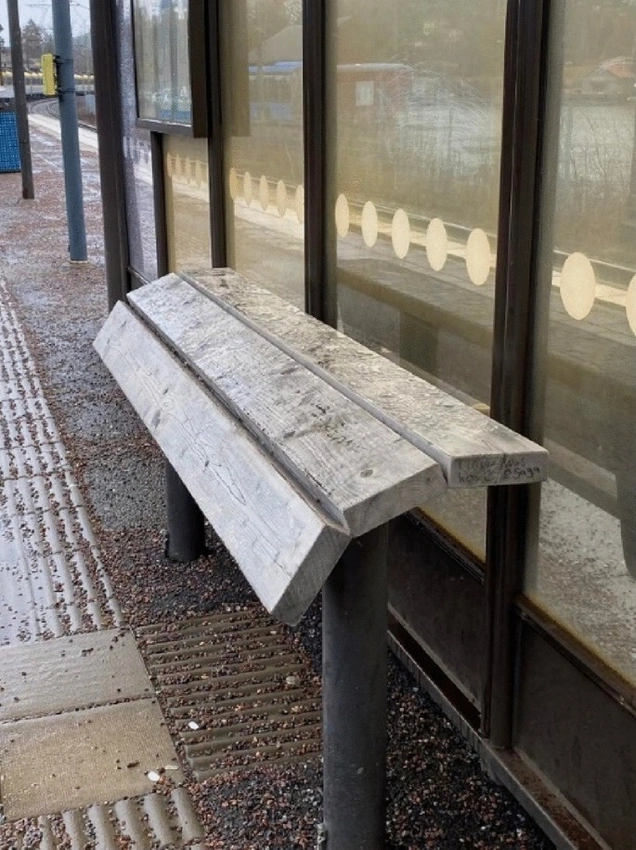
Look around your city. See those oddly sloped benches, the segmented seating, or the strategically placed spikes on ledges? These aren't accidental design flaws. They are manifestations of "hostile architecture," a practice that goes beyond simply deterring unwanted behavior. It's a calculated, often subtle, economic strategy influencing who occupies and enjoys public spaces. This isn't just about aesthetics; it's about property values, curated demographics, and the silent language of exclusion.
Design as Economic Policy
Hostile architecture, also known as "defensive design," is typically framed as a response to anti-social behavior. But look closer, and you find a more complex agenda. Cities, particularly those undergoing gentrification, employ these designs to protect and enhance property values. By making public spaces less accommodating for vulnerable populations – specifically, the homeless – cities aim to create an environment perceived as safer, cleaner, and more exclusive. This perception, in turn, attracts higher-earning residents and businesses, bolstering the economic "desirability" of an area.
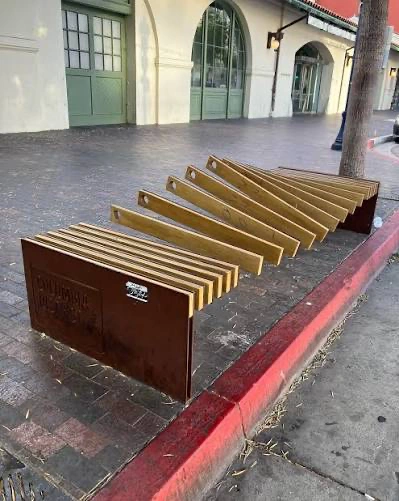
Consider a bench designed with multiple armrests, preventing anyone from lying down. Or ledges adorned with deterrent studs. While seemingly innocuous, these elements send a clear message: "You are not welcome to linger here if you don't fit a specific profile." This effectively curates the urban experience, prioritizing the comfort and perceived security of consumers and property owners over the basic human needs of others. It’s about shaping who is visible, and who is made invisible, within the urban fabric.
The Ethical Crossroads
The ethical implications of this design philosophy are profound. When urban spaces are deliberately engineered to exclude, we must ask: For whom are our cities truly built? Is it acceptable to use design as a tool to displace or marginalize certain segments of the population, even if indirectly? Critics argue that this approach criminalizes poverty and homelessness, rather than addressing their root causes.
As Leslie Kern points out in "Gentrification is Inevitable and Other Lies," “Design choices are never neutral; they always reflect underlying social and economic priorities.” This highlights the insidious nature of hostile architecture, where design decisions, presented as neutral or functional, serve to reinforce existing power structures and economic divides. It transforms public areas, intended for communal benefit, into zones of discomfort for those deemed undesirable.
Towards Inclusive Urban Futures
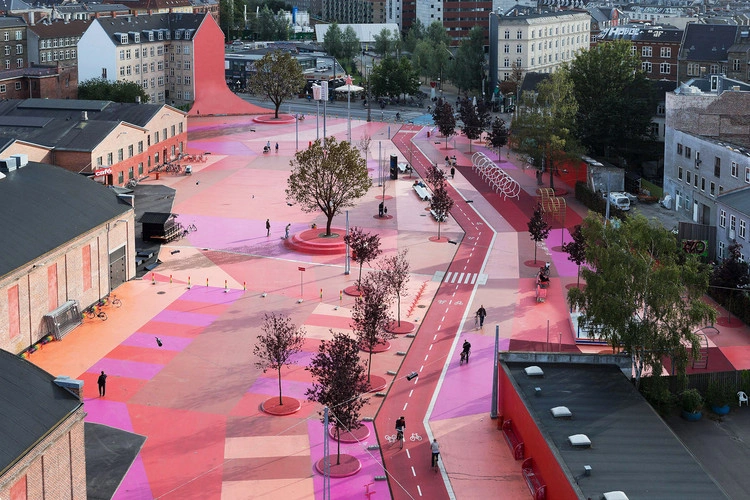
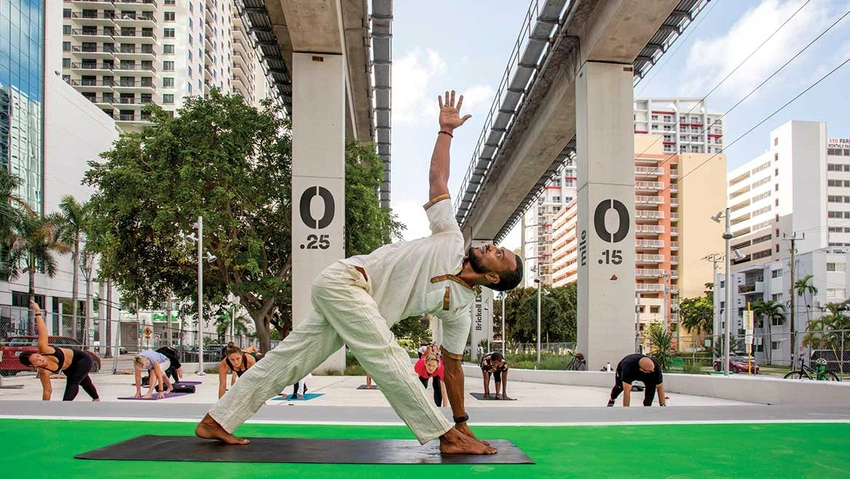
Recognizing hostile architecture as an economic policy is the first step toward challenging it. Designers, urban planners, and policymakers have a critical role to play in fostering truly inclusive cities. This means moving beyond reactive, exclusionary measures and embracing design principles that prioritize human dignity and universal access.
Imagine benches that offer comfort to all, green spaces that invite lingering, and public facilities that cater to diverse needs. This isn't about ignoring urban challenges, but about addressing them with empathy and creative solutions that benefit everyone, not just a select few. Our cities should be vibrant, welcoming ecosystems for all residents, reflecting the diverse tapestry of human life, rather than sterile environments curated for an exclusive economic class.