Trump Wins Nobel Peace Prize; Greenland Ambitions and Global Tensions

Trump Wins Nobel Peace Prize; Greenland Ambitions and Global Tensions
A dramatic week unfolds as Trump receives the Nobel Peace Prize, eyes Greenland, and faces Iran unrest and domestic protests in Minnesota.
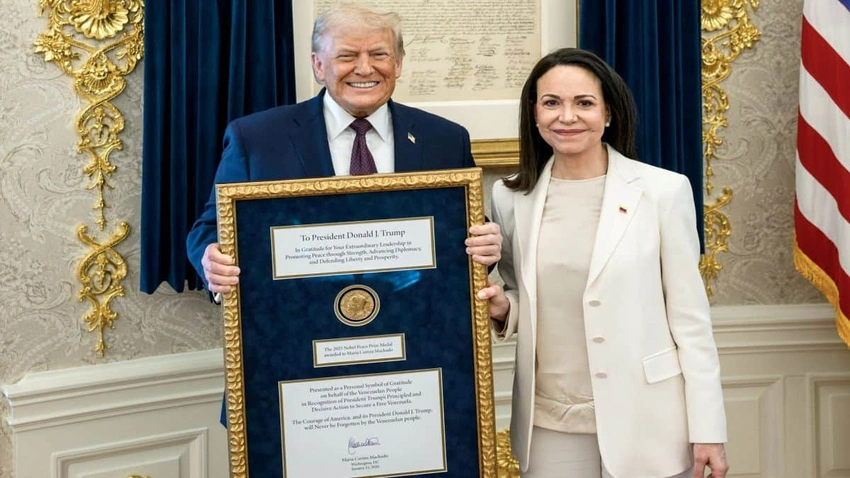
Global headlines this week pivot on a surprising development: Donald Trump has been awarded the Nobel Peace Prize, a move that has already sparked debate across capitals and living rooms alike. The prize, handed to him by Venezuelan opposition leader Maria Corina Machado, has quickly become a flashpoint for discussions about peace, power, and the optics of political theater. The gesture, and the timing, have analysts weighing what this could mean for U.S. diplomacy, especially in a region already crowded with tensions and shifting alliances.
Machado’s decision to present the medal to the president has stirred speculation about what she hopes to secure in return—specifically, possible U.S. backing as she positions herself to lead Venezuela after Maduro. Observers warn that the move could blur lines between symbolic diplomacy and real policy, potentially complicating Washington’s standing with Venezuelan factions and regional partners who crave stability.
Beyond Venezuela, the week features a mix of geopolitical gambits and energy dynamics. Reports indicate the United States completed the first sale of Venezuelan oil worth hundreds of millions of dollars, a development officials say could benefit both the American and Venezuelan people even as it tests the limits of existing sanctions and diplomacy. The broader implication is a reminder that oil politics still underwrites much of the posturing between major powers.
Trump has also teased a renewed interest in Arctic ambitions, with Greenland repeatedly surfacing in high-stakes talks with Danish and Greenlandic leaders. A White House visit that would have signaled a clear path forward reportedly concluded without a breakthrough, underscoring the complexity of securing cooperation on Arctic security, resources, and climate commitments amid competing national interests.
On the Iran front, the president’s statements have oscillated between talk of “strong military action” and withdrawal after he cited unnamed sources who claimed the killing of protesters had stopped. The shift left many observers unsettled, as regional turmoil and a crackdown on demonstrations continue to claim lives and draw international scrutiny.
Domestically, tensions have been simmering in Minnesota, where protests tied to a fatal shooting and immigration policy confrontations have tested the interplay between federal and state authorities. Trump has warned that he might invoke long-standing powers to deploy troops if protests escalate, a reminder that foreign-policy drama can reverberate loudly on U.S. soil.
Analysts describe the Nobel prize move as a symbolic moment that intersects with real-world policy challenges, from sanctions and oil diplomacy to Arctic strategy and human rights protests. Critics label Machado’s gesture as desperation-driven politics, while supporters frame it as a catalyst for renewed dialogue on peace and foreign policy. In that sense, the prize becomes less a single moment and more a lens into a shifting global landscape where rhetoric and reality are increasingly intertwined.
As the week closes, the question remains: what does a Nobel Peace Prize earned in such a mixed, highly polarized climate actually achieve on the ground? The answer may unfold slowly, through shifts in alliances, energy markets, and the quiet, persistent work of diplomacy in places like Minneapolis as well as far afield.
