Why the Endless Drama Between Pop Queens Is Actually Killing the Music
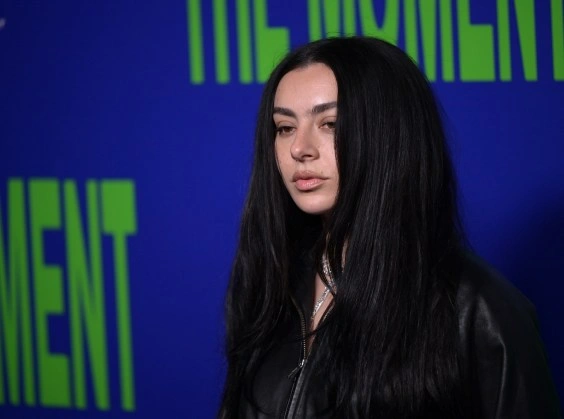
Why the Endless Drama Between Pop Queens Is Actually Killing the Music
The cycle of Instagram shade and demo theft accusations between artists like Charli XCX and Sky Ferreira is exhausting. Is this the future of pop marketing or just a toxic industry habit?
The Never Ending Carousel of Shade
We have seen this script play out a dozen times before. A highly anticipated album drops, the reviews are glowing, and then comes the cryptic social media comment. Suddenly, fanbases are at war, dissecting liner notes and hunting for unreleased demos from years ago. This week, the spotlight is on the tension between Sky Ferreira and Charli XCX regarding the project Wuthering Heights. While the specifics of who owns which melody are usually settled in boardrooms, the public spectacle feels like a tired rerun of a show we have been watching since the dawn of the blog era.
Why Does This Keep Happening?
It is rarely a coincidence that these blowups happen right at the peak of a promotional cycle. The music industry has a long history of pitting women against one another, but the modern version of this involves the commodification of the demo. Labels often sit on hundreds of songs, passing them between artists like trading cards. When an artist suggests that their old work is being used by others to stay relevant, it taps into a very real frustration about creative ownership in a system that views songs as interchangeable products.
However, this cycle is exhausting for several reasons:
- It distracts from the art: We end up talking about Instagram stories instead of the actual production on the track.
- It fuels toxic stan culture: Fans feel the need to pick a side, turning music appreciation into a digital blood sport.
- It reinforces the mean girl trope: The media loves a narrative where female artists are constantly fighting over scraps rather than collaborating.
The Industry Benefit
We need to ask ourselves who actually wins when these stories go viral. It is rarely the artists themselves. While a few extra streams might roll in from the curiosity factor, the long term result is a fractured community. Manufactured drama serves as a smokescreen for the systemic issues of how songs are bought, sold, and credited behind closed doors.
If we want to break this cycle, we have to stop biting the bait. Every time we engage with a passive-aggressive comment or a leaked demo rumor, we are signaling to labels that we prefer the gossip over the craft. Let us focus on the music and demand a system where credits are clear from day one, rather than waiting for an Instagram meltdown to tell us the truth.
