The Imperfect Face Won't Ever Get Cast in Hollywood Anymore

The Imperfect Face Won't Ever Get Cast in Hollywood Anymore
The Imperfect Face Won't Ever Get Cast in Hollywood Anymore
A closer look at how cinema's most expressive instrument—the human face—has shifted from characterful flaws to polished perfection, and what that change means for emotion, storytelling, and audiences.
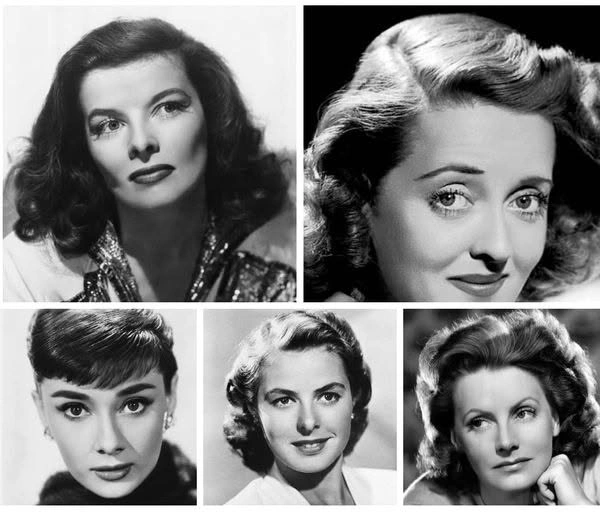
Watch almost any classic Hollywood film and something immediately stands out. The faces feel lived in. They wrinkle when they laugh. Their brows tighten with anxiety. Teeth are uneven. Noses are distinctive. Smiles lean slightly to one side. These imperfections did not distract from performance. They were the performance.
Today, it often feels as though Hollywood is chasing a different ideal. Faces are increasingly smooth, symmetrical and untouched by time, or at least they appear that way. This is not about condemning cosmetic procedures or questioning anyone's personal choices. Rather, it is about asking what happens to cinema when its most expressive instrument, the human face, begins to resemble an algorithmically perfected image.
Perhaps the imperfect face is not disappearing because audiences reject it. Perhaps it is disappearing because the industry no longer rewards it.
The face as a storytelling device
Cinema has always depended upon the close up. A single twitch of the mouth or a hesitant glance can communicate more than pages of dialogue. Film theorists have long argued that the face is not merely something we look at. It is where emotion becomes visible.
When performers possess highly individual features, their faces become memorable. Think of actors whose unconventional appearances became inseparable from their screen presence. Their individuality made characters believable because they looked like people rather than ideals.
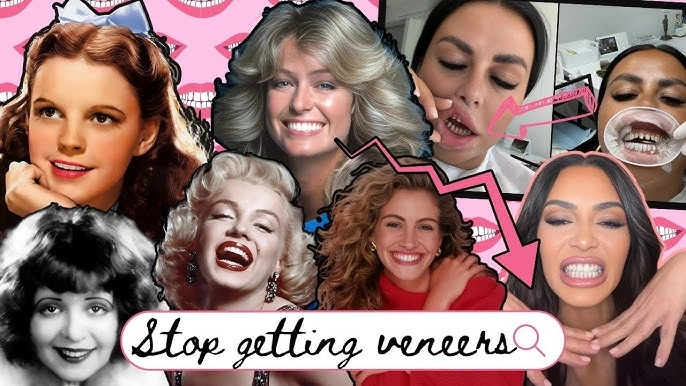
Increasingly, however, Hollywood seems to reward a narrower aesthetic vocabulary. High definition cameras, social media scrutiny and an industry obsessed with perpetual youth have intensified pressure on performers to maintain a polished appearance. Cosmetic procedures have become normalised, not because actors lack talent, but because appearance has become another form of professional maintenance.
The irony is difficult to ignore. The industry that depends upon emotional expression is increasingly shaped by beauty standards that can limit facial movement.

Instagram beauty has entered the casting room
Hollywood has never existed separately from wider visual culture. Today's stars are expected to function not only as actors but also as influencers, luxury ambassadors and permanent online personalities. Their faces circulate through Instagram, TikTok and countless digital campaigns before audiences even encounter them on screen.
This changes the economics of casting.
A face that photographs well across social media platforms becomes commercially valuable. Symmetry, smooth skin and carefully maintained features are no longer simply aesthetic preferences. They become marketable assets. The actor is increasingly treated as a brand whose image must remain consistent across films, advertising campaigns and social media feeds.
Recent reporting has suggested that casting professionals are becoming increasingly concerned about visible cosmetic work among emerging actors because it can reduce realism and make performances less convincing, particularly in auditions where emotional authenticity matters most.
This reveals an unusual contradiction. The industry encourages beauty standards that can eventually undermine the very craft it seeks to promote.
Capitalism loves perfect faces
Beauty has always been profitable, but contemporary capitalism thrives on endless optimisation. There is always another procedure, another treatment, another adjustment that promises improvement.
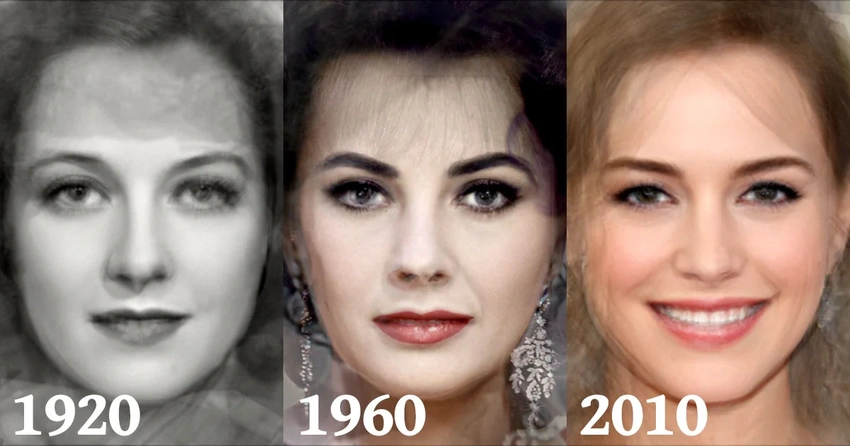
The result is not simply prettier faces. It is increasingly similar faces.
From a cultural perspective, this reflects a broader tendency towards standardisation. Social media algorithms reward familiar aesthetics because familiarity attracts engagement. Cosmetic trends spread rapidly across celebrity culture until individuality itself begins to feel unusual.
Hollywood then reproduces these standards on screen, creating a feedback loop between digital culture and cinema. Audiences consume perfected faces, internalise them as normal and eventually expect them everywhere.
What disappears in this cycle is not merely physical difference. It is visual diversity itself.
We remember faces because they are imperfect
The greatest screen performances rarely depend upon conventional beauty. They depend upon recognisability.
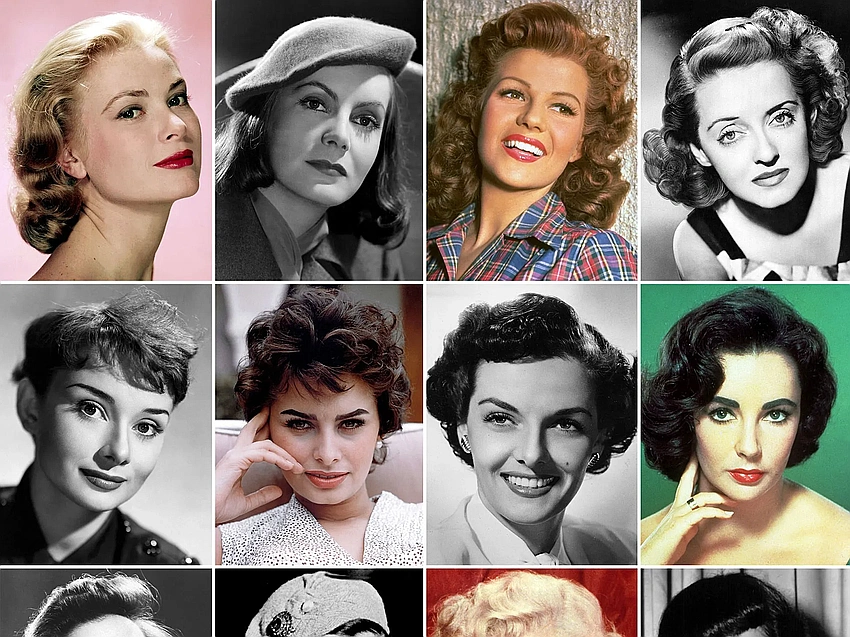
An expressive forehead, tired eyes, uneven smiles or weathered skin all communicate history. They suggest that characters have lived before the story even begins. These details invite viewers to believe in fictional worlds because they resemble real people.
Perhaps this is why discussions around cosmetic enhancement in Hollywood have become increasingly visible. Even directors and actors have begun questioning whether the pursuit of ageless perfection risks reducing emotional expressiveness on screen.
The issue is therefore larger than appearance. It concerns cinema's relationship with humanity itself.
If every leading face begins to resemble every other, audiences may lose something difficult to quantify but immediately recognisable. Not beauty, but character.
Perhaps the future of Hollywood does not require fewer beautiful people. It requires more distinctive ones. After all, nobody remembers a face because it was mathematically perfect. We remember it because no one else looked quite like it.
#HollywoodFaces #FilmHistory #CinematicFace #CinemaCritique #ImperfectFaces
