#FilmHistory
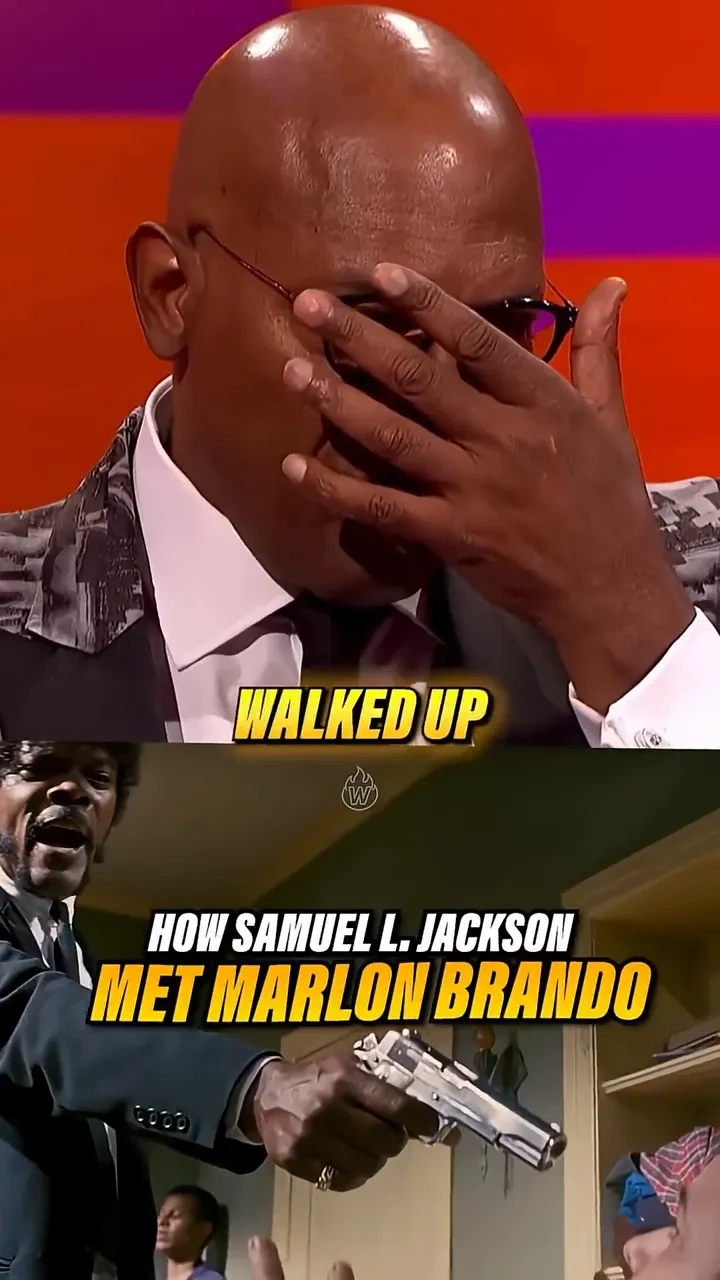
When samuel met brando: Two legends cross paths: Jackson and Brando share a moment. #FilmHistory #LegendsMeet #MarlonBrando
Login to reply.
14 Replies
Tarantino's first film blues: A quick look at Tarantino's rough years shaping his debut feature. #QuentinTarantino #Screenwriting #FilmHistory
Tarantino's first film blues:
A quick look at Tarantino's rough years shaping his debut feature.
Login to reply.
14 Replies
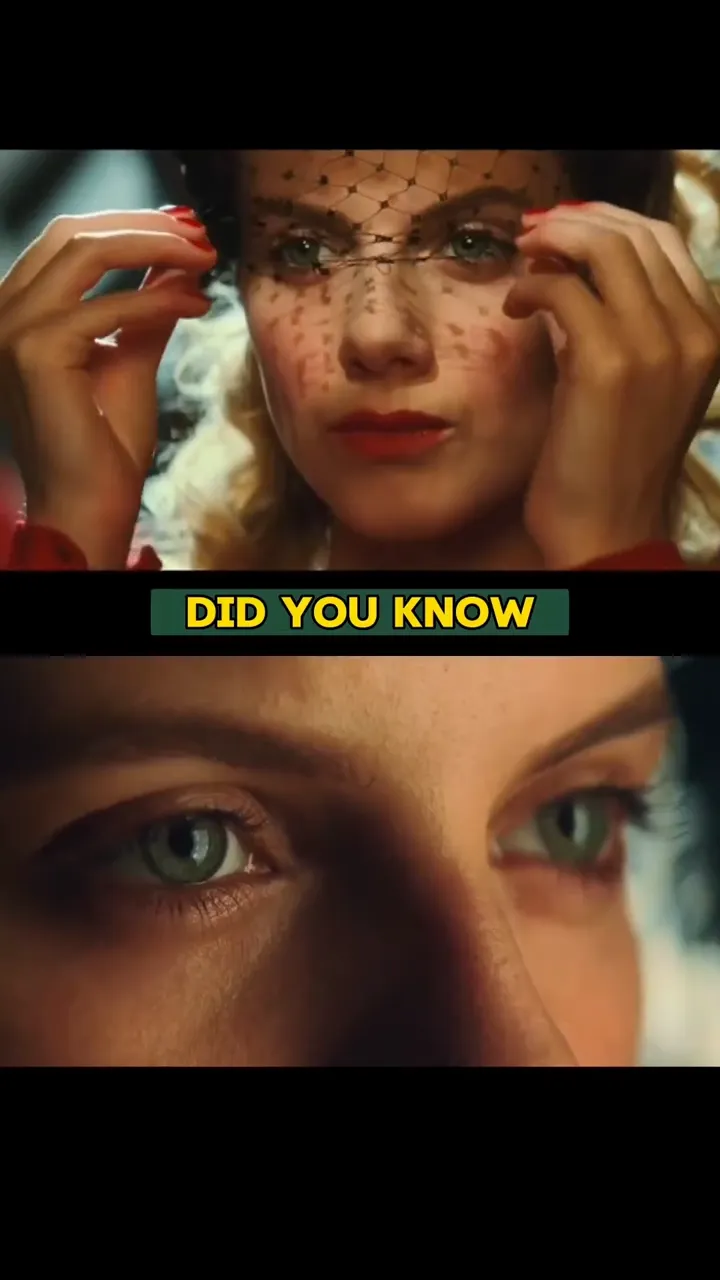
A closer look at how cinema's most expressive instrument—the human face—has shifted from characterful flaws to polished perfection, and what that change means for emotion, storytelling, and audiences. Watch almost any classic Hollywood film and something immediately stands out. The faces feel lived ... Read full article.
The Imperfect Face Won't Ever Get Cast in Hollywood Anymore
A closer look at how cinema's most expressive instrument—the human face—has shifted from characterful flaws to polished perfection, and what that cha…
The Imperfect Face Won't Ever Get Cast in Hollywood Anymore
A closer look at how cinema's most expressive instrument—the human face—has shifted from characterful flaws to polished perfection, and what that cha…
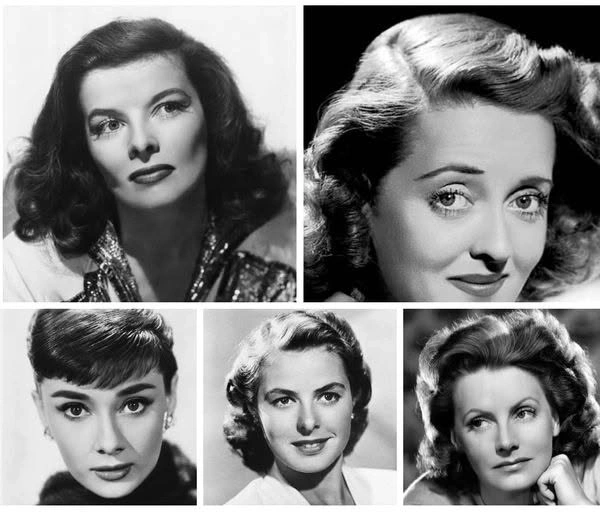
A closer look at how cinema's most expressive instrument—the human face—has shifted from characterful flaws to polished perfection, and what that change means for emotion, storytelling, and audiences.
Watch almost any classic Hollywood film and something immediately stands out. The faces feel lived in. They wrinkle when they laugh. Their brows tighten with anxiety. Teeth are uneven. Noses are distinctive. Smiles lean slightly to one side. These imperfections did not distract from performance. They were the performance.
Today, it often feels as though Hollywood is chasing a different ideal. Faces are increasingly smooth, symmetrical and untouched by time, or at least they appear that way. This is not about condemning cosmetic procedures or questioning anyone's personal choices. Rather, it is about asking what happens to cinema when its most expressive instrument, the human face, begins to resemble an algorithmically perfected image.
Perhaps the imperfect face is not disappearing because audiences reject it. Perhaps it is disappearing because the industry no longer rewards it.
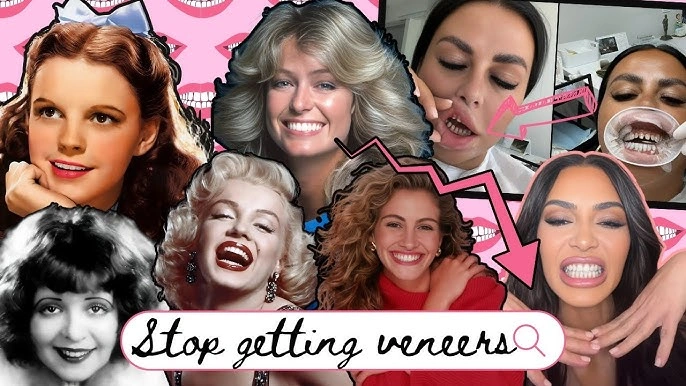
The face as a storytelling device
Cinema has always depended upon the close up. A single twitch of the mouth or a hesitant glance can communicate more than pages of dialogue. Film theorists have long argued that the face is not merely something we look at. It is where emotion becomes visible.
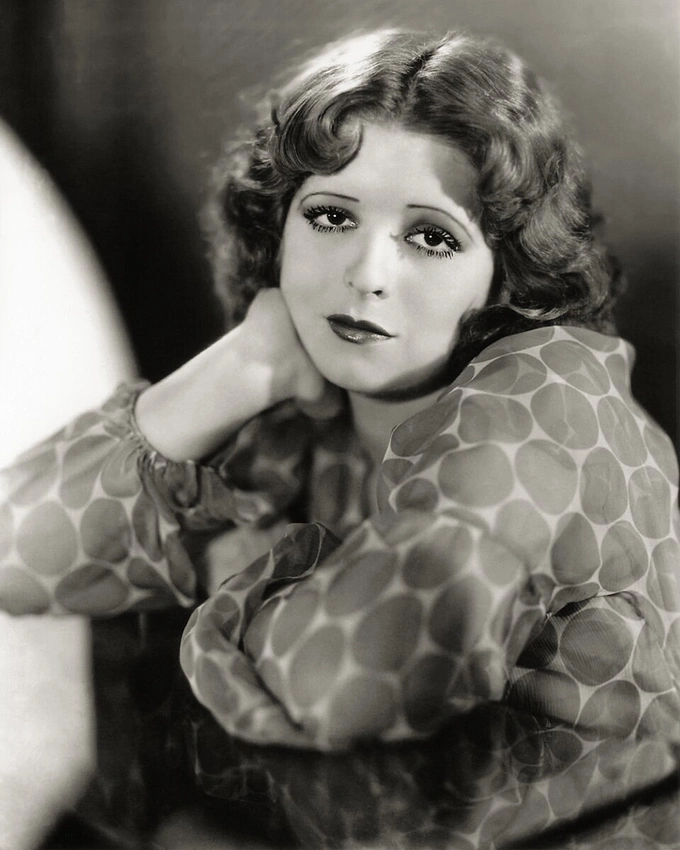
When performers possess highly individual features, their faces become memorable. Think of actors whose unconventional appearances became inseparable from their screen presence. Their individuality made characters believable because they looked like people rather than ideals.
Increasingly, however, Hollywood seems to reward a narrower aesthetic vocabulary. High definition cameras, social media scrutiny and an industry obsessed with perpetual youth have intensified pressure on performers to maintain a polished appearance. Cosmetic procedures have become normalised, not because actors lack talent, but because appearance has become another form of professional maintenance.
The irony is difficult to ignore. The industry that depends upon emotional expression is increasingly shaped by beauty standards that can limit facial movement.
Instagram beauty has entered the casting room
Hollywood has never existed separately from wider visual culture. Today's stars are expected to function not only as actors but also as influencers, luxury ambassadors and permanent online personalities. Their faces circulate through Instagram, TikTok and countless digital campaigns before audiences even encounter them on screen.
This changes the economics of casting.
A face that photographs well across social media platforms becomes commercially valuable. Symmetry, smooth skin and carefully maintained features are no longer simply aesthetic preferences. They become marketable assets. The actor is increasingly treated as a brand whose image must remain consistent across films, advertising campaigns and social media feeds.
Recent reporting has suggested that casting professionals are becoming increasingly concerned about visible cosmetic work among emerging actors because it can reduce realism and make performances less convincing, particularly in auditions where emotional authenticity matters most.
This reveals an unusual contradiction. The industry encourages beauty standards that can eventually undermine the very craft it seeks to promote.
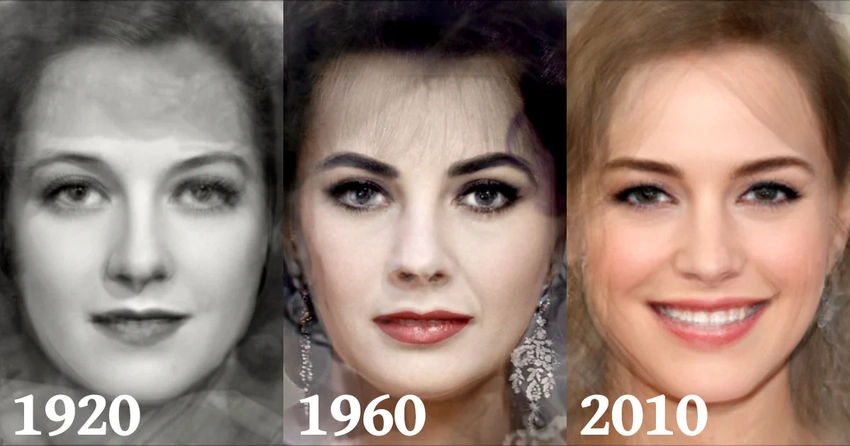
Capitalism loves perfect faces
Beauty has always been profitable, but contemporary capitalism thrives on endless optimisation. There is always another procedure, another treatment, another adjustment that promises improvement.
The result is not simply prettier faces. It is increasingly similar faces.
From a cultural perspective, this reflects a broader tendency towards standardisation. Social media algorithms reward familiar aesthetics because familiarity attracts engagement. Cosmetic trends spread rapidly across celebrity culture until individuality itself begins to feel unusual.
Hollywood then reproduces these standards on screen, creating a feedback loop between digital culture and cinema. Audiences consume perfected faces, internalise them as normal and eventually expect them everywhere.
What disappears in this cycle is not merely physical difference. It is visual diversity itself.
We remember faces because they are imperfect
The greatest screen performances rarely depend upon conventional beauty. They depend upon recognisability.
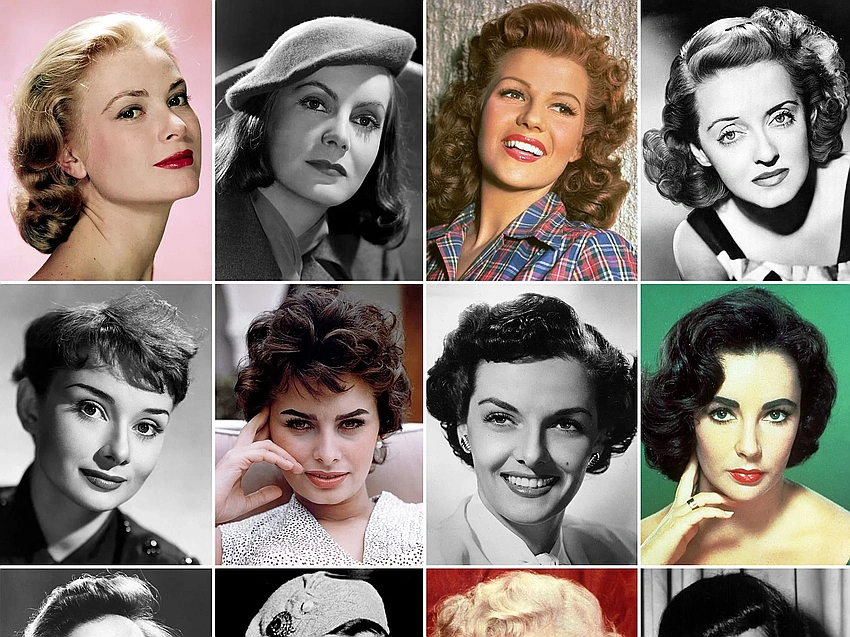
An expressive forehead, tired eyes, uneven smiles or weathered skin all communicate history. They suggest that characters have lived before the story even begins. These details invite viewers to believe in fictional worlds because they resemble real people.
Perhaps this is why discussions around cosmetic enhancement in Hollywood have become increasingly visible. Even directors and actors have begun questioning whether the pursuit of ageless perfection risks reducing emotional expressiveness on screen.
The issue is therefore larger than appearance. It concerns cinema's relationship with humanity itself.
If every leading face begins to resemble every other, audiences may lose something difficult to quantify but immediately recognisable. Not beauty, but character.
Perhaps the future of Hollywood does not require fewer beautiful people. It requires more distinctive ones. After all, nobody remembers a face because it was mathematically perfect. We remember it because no one else looked quite like it.
#HollywoodFaces #FilmHistory #CinematicFace #CinemaCritique #ImperfectFaces
Login to comment.
3 Thots
More Like This
Nicholson's acting beginnings: Jack Nicholson looks back at how his acting journey began. #JackNicholson #Acting #FilmHistory
Nicholson's acting beginnings:
Jack Nicholson looks back at how his acting journey began.
Login to reply.
1 Reply
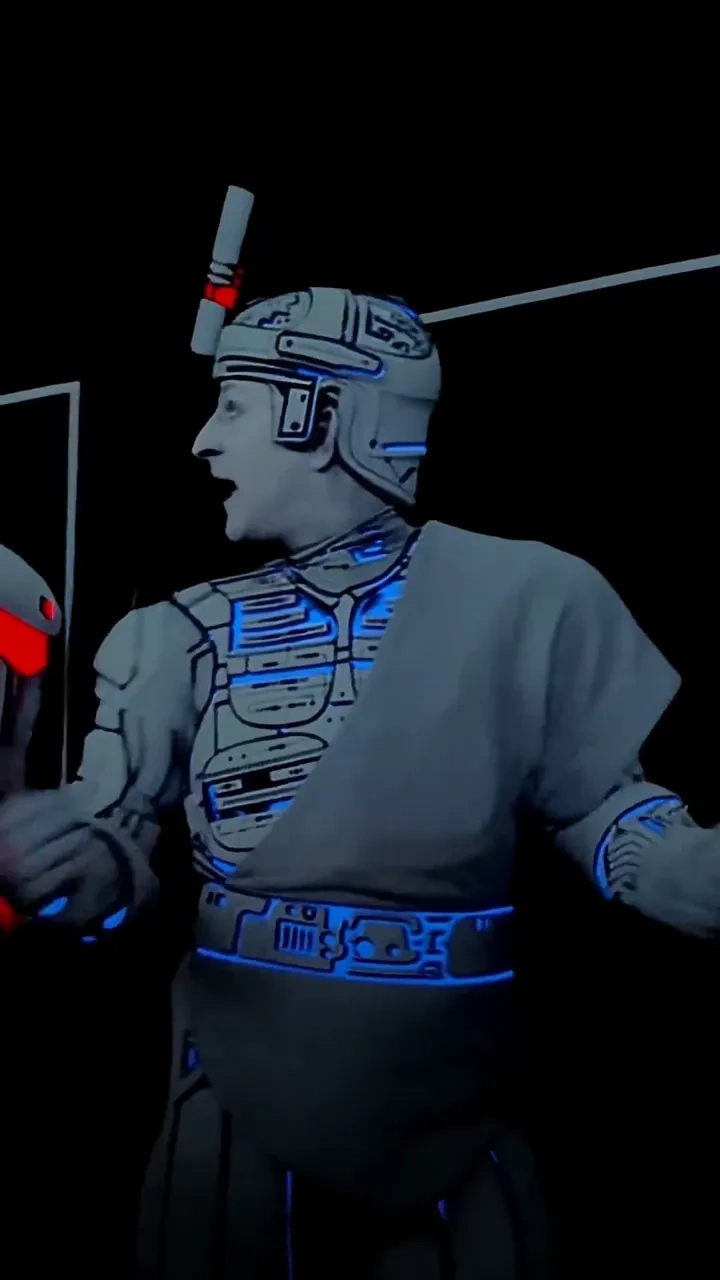
Hand-painted tron frames: Before CGI, Tron’s glow was hand-painted frame by frame—over 500k frames. #TRON #VFX #FilmHistory
Hand-painted tron frames:
Before CGI, Tron’s glow was hand-painted frame by frame—over 500k frames.
Login to reply.
14 Replies
Ten years to write inglourious basterds: A decade in the making: how Inglourious Basterds finally hit the screen. #InglouriousBasterds #Tarantino #FilmHistory
Ten years to write inglourious basterds:
A decade in the making: how Inglourious Basterds finally hit the screen.
Login to reply.
14 Replies
Beyond the Cliché: How Coming-of-Age Cinema Became Honest and Inclusive
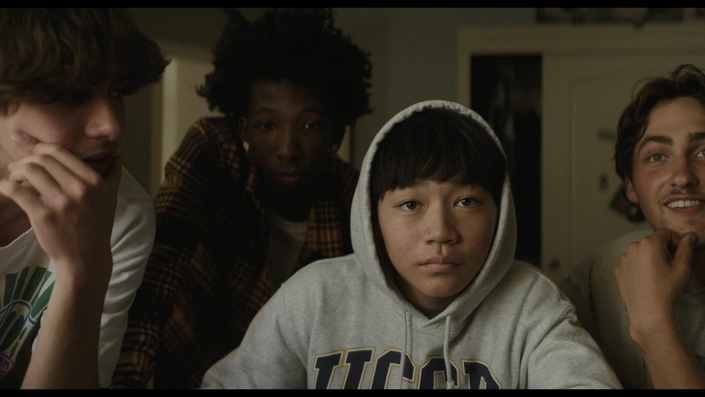
The “coming of age” genre is a deeply relatable and real part of all our lives that we seek comfort in. When done right, it can strike all the right chords in us and make us feel seen but when done poorly, it comes off as imitative and generic. The key to a good coming of age film, TV show, video game, song, or any form of art is being as honest and raw as possible.
The Homogeneity of 20th Century Cinema
Mainstream cinema dominated the 20th century which is why most of the coming of age films from the 70s, 80s and 90s are mostly just white people doing white people things. While some of them are genuinely good, they still only appeal to a certain audience and while that is fine for one or two films to be like that, the problem is all of them were like that.
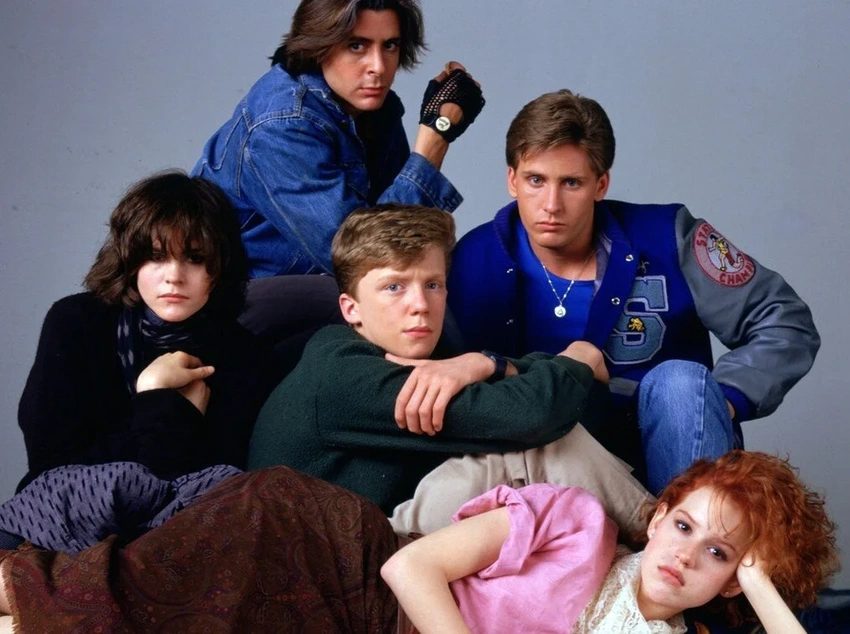
Starting all the way back with Rebel without a cause till The Goonies, Sixteen Candles or even The Breakfast Club. They focus mainly on white middle, upper middle class protagonists with themes of rebellion and anti-authority. The culture is very bland and surface level and most protagonists are male. They always have a happy ending where everything works out, tying up all the threads.
As I mentioned earlier, not all of these are bad. Just because it contains a white protagonist and captures a white perspective, the film is bad. There are many exceptions like Dazed and Confused, Boyhood, and even The Breakfast Club. These are still very well written and quality coming of age films. They just happen to fall into a generic category because of their chosen subject.
The Shift: Diversity and Depth in 21st Century Narratives
The 2000s however brought a change to this. A major film that marked this shift could be attributed to Boyz N the Hood which released much earlier in 1991 and showed the black perspective for young boys. We now have much more diverse representation in this genre, with different culture, ethnicities and sexualities being shown on screen while also tackling more deeper themes like mental health, anxiety and trauma. The perks of being a wallflower, Didi, Aftersun, Moonlight are some examples of this.
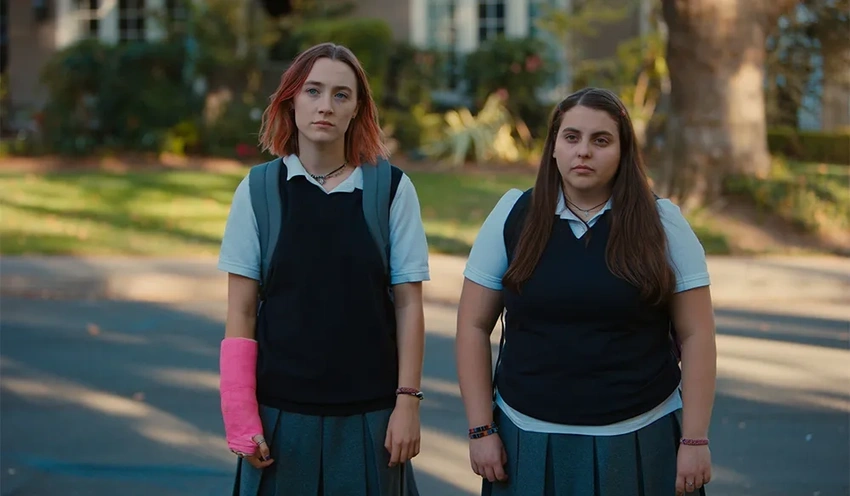
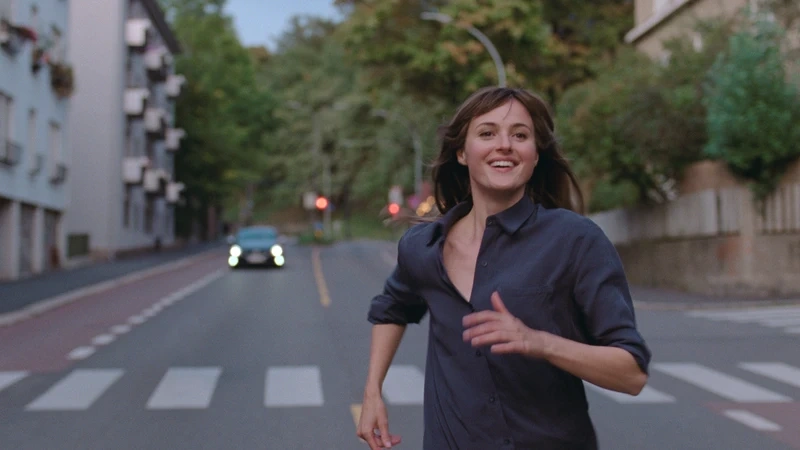
We also have more female protagonists with films like Lady Bird, The worst person in the world, Are you there God, it’s me Margaret?, Eight Grade and Shiva Baby. They use the female perspective to show their complex perspectives, highlighting social issues that affect girls in their youth. They also offer a more global perspective, inculcating family dynamics and cultural differences within the film.
Evolving Storytelling Techniques
The storytelling has also changed significantly. While older coming of age films were linear based stories, we have more fragmented and non-linear stories to fit the nature of growing up and how it feels.
The coming of age genre is still improving and is something that has to remain unique and raw, as it is one of the most purest forms of art that requires both the artist and the consumer to take a deep look at themselves.
#ComingOfAge #CinemaCritique #FilmHistory #DiversityInFilm #MovieDiscussion
Login to comment.
4 Thots
More Like This
Superhero Movies: The Journey from Corny Flicks to Oscar Winners
Origins of the Superhero
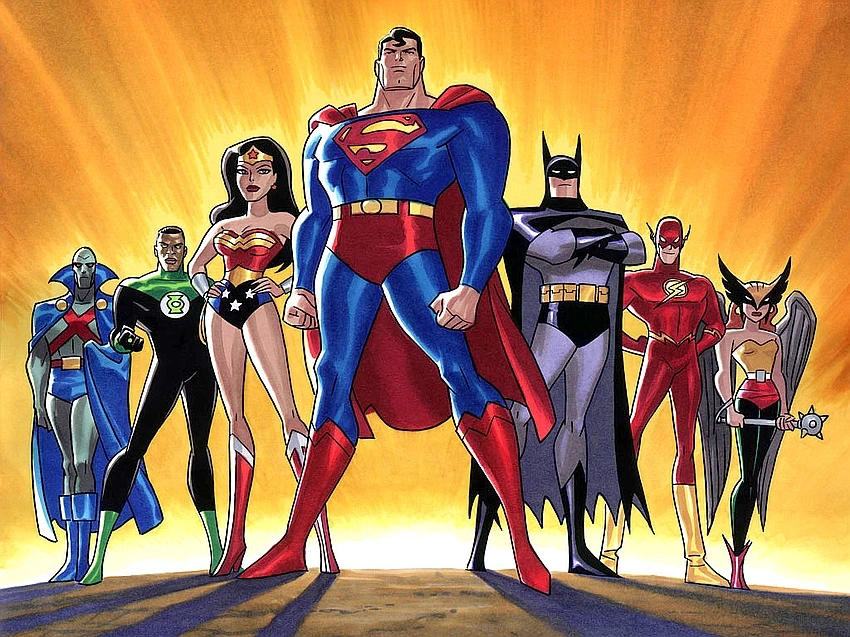
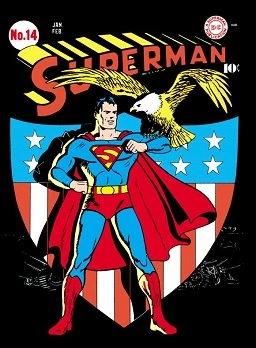
The concept of the superhero emerged from where all art emerges: a reaction to social issues. While it may not seem like it, the comic books that began way back in the early 1900s were because of the World War. People were scared, looking for something to believe in, they wanted to feel in power of their own lives again. Superheroes acted as the perfect outlet to channel those feelings and give people the fantasy of being able to singlehandedly save the world.
Early Attempts and Struggles
Comic book movies however were not received as well. From the movies in the 50s with the cheap effects, superhero movies were always limited by the lack of technological means to give that authentic look. The older ones always looked cheap and corny and never found success.
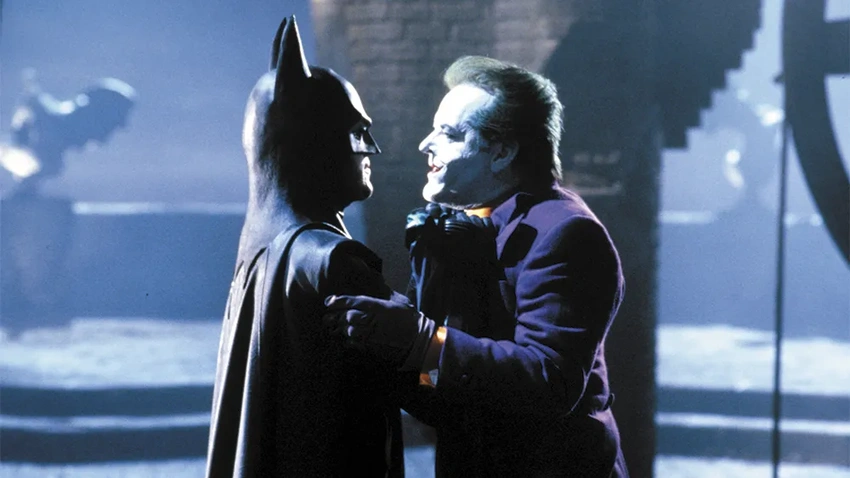
The 80s were a turning point. The Christopher Reeves Superman and Tim Burton’s Batman brought success and popularity to two of the most well known superheroes. But they were the only ones. Marvel had yet to find any success. The failed Howard the Duck movie, Avengers, Captain America and even Fantastic Four. All of these were attempted in the 90s but fell flat.
Even the Batman movies ran into trouble with their biggest failure Batman and Robin. Things looked pretty glum for DC who were the ones who found success and now had to sit in the back seat as 20th Century Fox and Marvel collaborated to make X-men.
The Rise of Modern Superheroes
A movie about mutants that were different from normal people so they were shunned from society. Releasing right before 9/11, this could not have come at a better time. Post 9/11 brought Sam Raimi’s Spider Man which was an incredible film in and of itself and exactly what the world needed at that time. A friendly neighbourhood hero that everyone could count on. It could be anyone. We were all heroes.
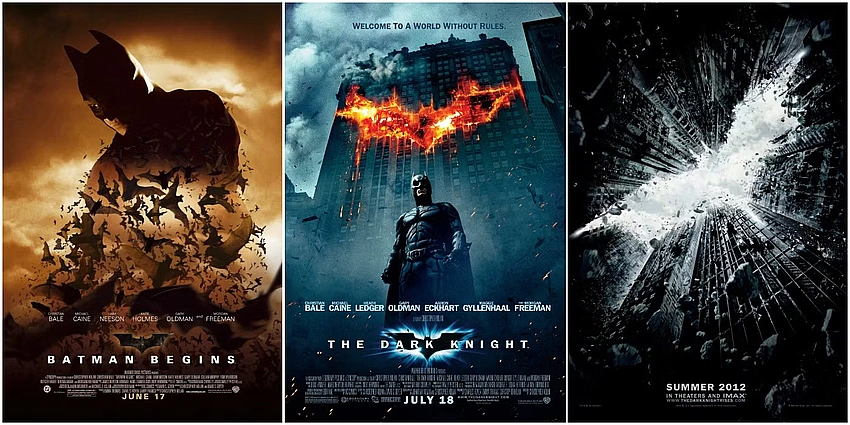
Then the Nolan trilogy arrived in 2005 with Batman Begins. This changed how superhero movies could be made. Till now, even the successful movies were all classified as comic book movies, something that only people interested in superheroes would watch. But Nolan began to make them universal. With his limited knowledge on comic books, he brought his own unique perspective and made a trilogy that can never be matched.
2008. The year when a superhero movie won an Oscar for acting and grossed over a billion dollars. The Dark Knight had changed the game again. Not only did we get that but that is the year when the MCU began. Iron Man changed the way superhero movies would be marketed.
Evolution and Expansion
In 2012, we had The Avengers which continued all the good work the MCU had done and solidified the growing popularity of the Anti-hero through Loki. Since 9/11, there was a lot of focus on heroism, honour, nobility and all that but times were changing. People wanted something different now.
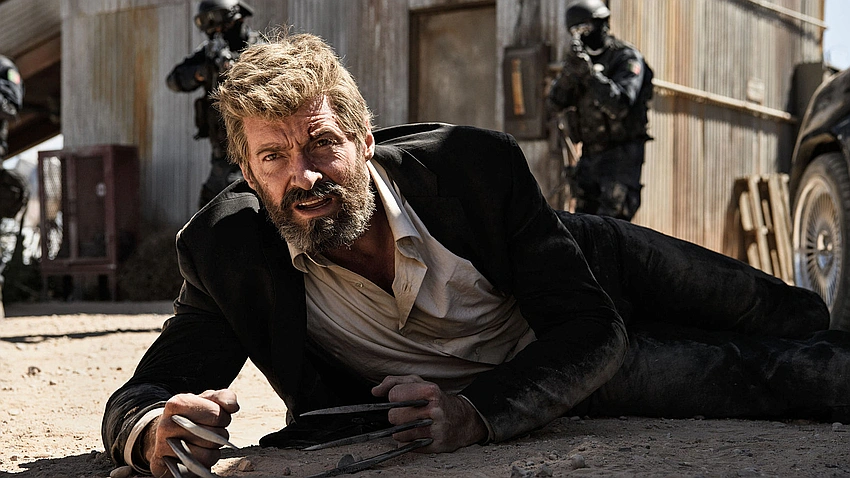
Enter the anti-hero. Flawed characters with twisted motivations but a good heart and something that people could empathise with. Fox yet again capitalised on this and made Deadpool and Logan back to back. Two incredible genre challenging films that continued to keep superhero movies fresh just when they began to go stale. Joker in 2019 continued this fashion with Joaquin Phoenix even winning an Oscar for his role.
Wonder Woman gave us a strong female superhero that grossed nearly a billion leading producers to finally believe in female superhero projects. Black Panther brought popularity to black superheroes for the first time since Blade.
Superhero movies have come a long way from being corny, cheap looking black and white films and will have to continue to evolve if they want to find success.
#SuperheroOrigins #ComicHistory #FilmHistory #80sCinema #SuperheroMovies
Login to comment.
5 Thots
More Like This
From Flop to Phenomenon: The Art of Cult Movie Success
Explore how films like The Big Lebowski, Fight Club, and Donnie Darko became cult classics years after release, showing how timing and marketing shap…
From Flop to Phenomenon: The Art of Cult Movie Success
Explore how films like The Big Lebowski, Fight Club, and Donnie Darko became cult classics years after release, showing how timing and marketing shap…
Explore how films like The Big Lebowski, Fight Club, and Donnie Darko became cult classics years after release, showing how timing and marketing shape lasting fame.
Not every film becomes an instant success. In fact, a lot of history’s finest films were box office failures. They were misunderstood by their audiences either because they were ahead of their time or just poor marketing.
Cult Classics: Misunderstood Gems
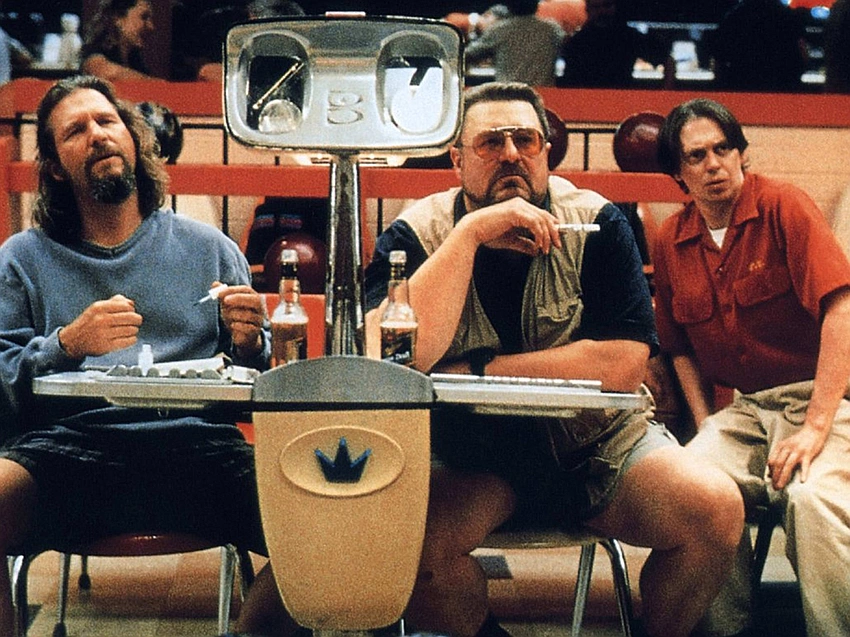
I recently re-watched The Big Lebowski which is one of my favourite films of all time and today’s film society cannot stop praising it. However, on initial release, it was not as widely acclaimed or accepted as it is now. Films like these generally have a small group of people who stand against the popular notion at that time, standing firm in their opinions.
They spread more awareness and praise about certain films that may be misunderstood or under marketed, bringing more fans, creating a cult classic over time.
Audiences Breathing Life into Films
The Rocky Horror Picture Show, Fight Club, Donnie Darko, Blade Runner, Scott Pilgrim and so on. They are prime examples of a cult classic. Fight Club was heavily criticized upon initial release, with people misunderstanding its message.
People assumed that it was encouraging toxic masculinity and rebellion, without understanding the satire aspect of the film. But the people who did understand the film supported it wholeheartedly and ensured that it was kept alive through them. The film continued to grow through these people and has now evolved into a global phenomenon and a cult classic.
Similarly, Donnie Darko contained subject matter that was too complex for audiences to understand at that time, with deep mental health undertones and psychological drama. But the ones who did understand stood by the film and ensured that it remained relevant.
Film is a living and breathing medium. The success or failure of a film cannot be decided in a matter of weeks at the box office. A true work of art lives and breathes through its audiences and films are no exception. Sometimes a film just needs the right time and space to find out its true potential.
The Shaping of Future Cult Favorites
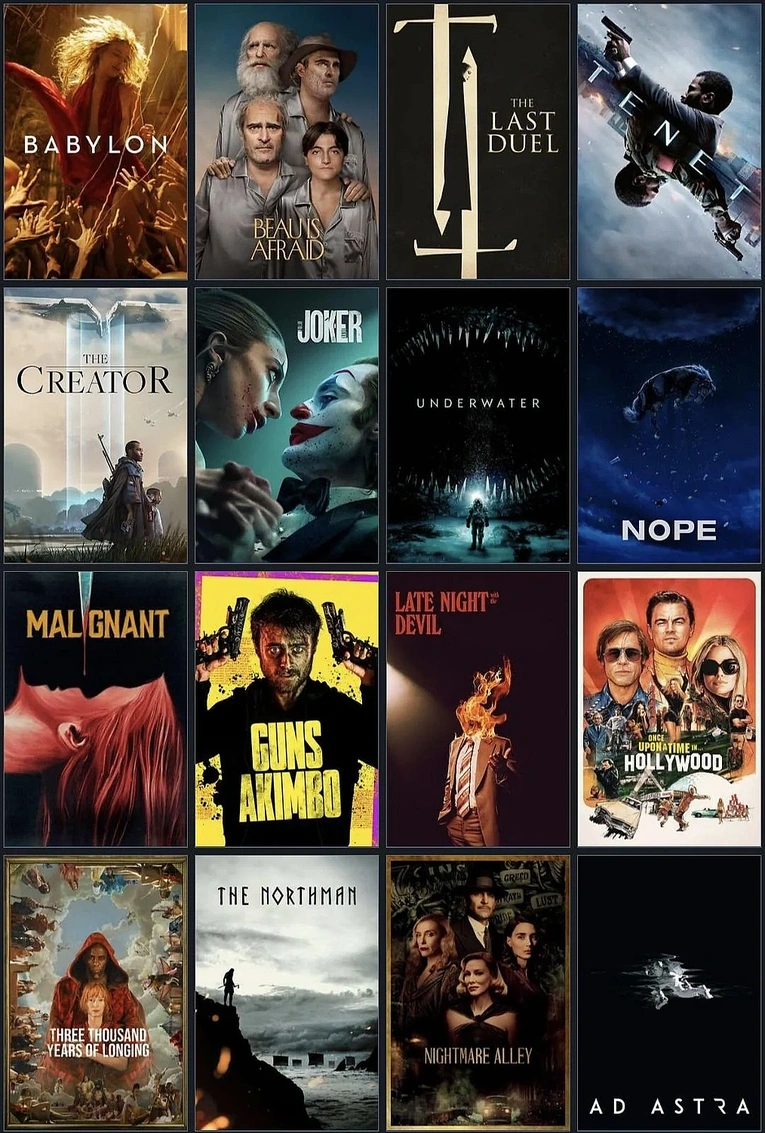
In today’s scenario, the same can be applied. Films like Drive Away Dolls or Babylon could end up becoming cult classics. I can personally attest to Babylon as it is already starting to gain a cult following and perhaps in the future more people will understand the depth it offers. Even Francis Ford Coppola’s Megalapolis has gained a significant cult following and who knows how that could end up being perceived.
#CultClassics #BoxOfficeFlops #FilmHistory #MovieCult #TheBigLebowski
Login to comment.
2 Thots
More Like This
Comments
-
Loading...
-
-
-
-
-
-
-
Please select a valid reason.
Login to comment.