The Ticketing Machine: How Ticketmaster Came to Dominate

The Ticketing Machine: How Ticketmaster Came to Dominate
A concise look at how the 2010 merger created a vertically integrated live music system, concentrating control over prices, access, and visibility—and what that means for fans and artists.
In 2010, the merger between Ticketmaster and Live Nation Entertainment reshaped the live music economy. What had once been a relatively fragmented ecosystem of promoters, venues, and ticket sellers was consolidated into a vertically integrated structure. Live Nation promoted artists and owned venues, while Ticketmaster controlled the primary ticketing infrastructure.
This consolidation did not merely streamline operations. It concentrated power. By the mid-2020s, Ticketmaster handled a vast majority of primary ticket sales at major venues, while Live Nation controlled a significant share of concert promotion.
The consequence is not difficult to trace. When one entity controls production, distribution, and access, the idea of a “market” becomes tenuous. What emerges instead is something closer to a managed system, where prices, availability, and even visibility are structured from above.
Monopolies and the Slow Death of Choice
The language of monopoly is often overused in popular discourse, but in this case it has been legally affirmed. In April 2026, a federal jury found that Live Nation and Ticketmaster had operated as an illegal monopoly in the live events industry.
This ruling matters not simply because of its legal implications, but because it confirms what audiences, artists, and independent venues have long suspected. Competition has been systematically constrained.
Exclusive contracts have played a crucial role. Venues that wish to host major artists often have little choice but to use Ticketmaster’s ticketing services. Reports indicate that Live Nation can leverage its roster of artists to pressure venues into long-term exclusivity agreements.
In such a system, alternatives exist only in theory. Rival ticketing platforms cannot easily gain foothold access, and consumers are left navigating a single dominant interface. The absence of competition does not merely affect price. It shapes the entire experience of live music consumption.
The Price of Access: Fees, Dynamics, and Illusion
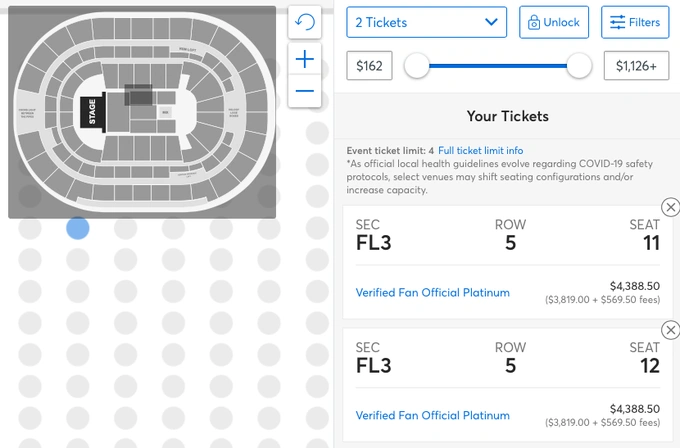
Ticketmaster’s pricing model has become emblematic of contemporary consumer frustration. What appears as a ticket price is often only the beginning. Service fees, processing charges, and dynamically adjusted prices can inflate costs significantly.
Even regulatory attempts to enforce transparency have not resolved the issue. Investigations have shown that when certain “hidden fees” were restricted, other charges were quietly increased to compensate, maintaining overall revenue levels.
More troubling is the logic of “dynamic pricing”, where ticket costs fluctuate in real time based on demand. While framed as a market-responsive mechanism, critics argue that it effectively transforms fans into bidders, collapsing the distinction between primary sales and resale markets.
Legal complaints have gone further, alleging that the system may privilege scarcity, raising prices as tickets diminish rather than stabilising access.
The Eras Tour and the Breaking Point
Public frustration reached a peak during the ticket sales for Taylor Swift Eras Tour in 2022. The system buckled under demand, with millions of users facing crashes, frozen queues, and cancelled sales.
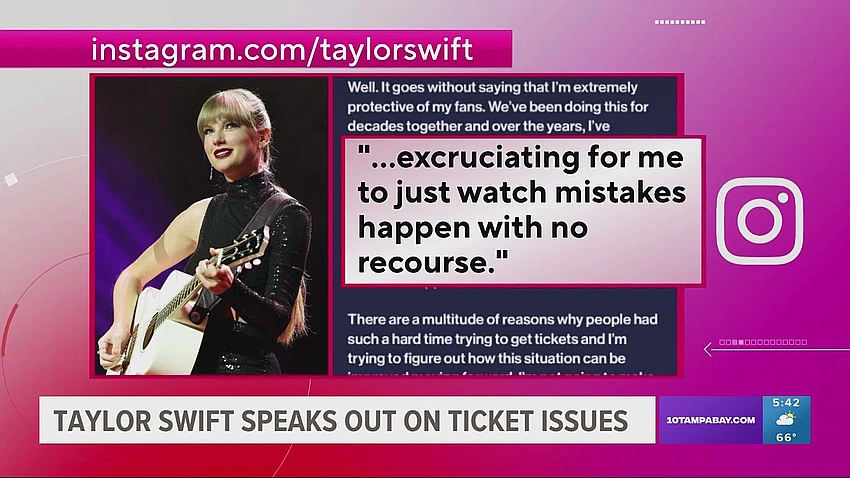
Yet the controversy was not merely about technical failure. It exposed structural weaknesses. Scalpers acquired large numbers of tickets, which were then resold at inflated prices. Fans alleged that the system enabled, rather than prevented, such practices.
The political response was swift. Lawmakers called for investigations into the Live Nation–Ticketmaster merger, framing it as a case of unchecked corporate power. The episode became a cultural flashpoint, transforming what might have been dismissed as consumer inconvenience into a broader critique of market consolidation.
If anything, the Eras Tour debacle functioned as a moment of revelation. It made visible the infrastructure that had long operated in the background.
Artists, Venues, and the Question of Autonomy
The effects of Ticketmaster’s dominance extend beyond audiences. Artists and venues operate within the same constrained system.
Historically, musicians such as Pearl Jam attempted to challenge Ticketmaster’s practices, arguing that its control limited fair access to fans. These efforts largely failed, but they exposed the mechanisms through which the company maintained its position, particularly through exclusive agreements.
For smaller venues and independent promoters, the stakes are even higher. Without access to Ticketmaster’s network, hosting major acts becomes difficult. Without major acts, financial sustainability becomes precarious.

A Broken System or an Inevitable One
The United States Department of Justice has described the live ticketing industry as fundamentally broken, citing practices that suppress competition and inflate prices.
Its rise reflects broader transformations in the music industry. As recorded music revenues declined in the digital era, live performances became the primary source of income for many artists. This shift intensified demand, making ticketing infrastructure more valuable and more contested. Ticketmaster did not create this demand, but it has capitalised on it with remarkable efficiency.
After the Verdict
The 2026 monopoly verdict marks a turning point, but not necessarily a resolution. Legal rulings may impose fines, structural changes, or even a breakup. However, the deeper issue lies in rebuilding a competitive ecosystem.
Without meaningful alternatives, regulation alone risks becoming cosmetic. Transparency without price control does little. Competition without access remains symbolic.
The live music experience has always been about more than sound. It is about presence, collectivity, and the fleeting intensity of shared time. When access to that experience is mediated by opaque systems and inflated costs, something essential is altered.
What Ticketmaster represents is not just corporate overreach. It is the transformation of cultural participation into a tightly managed marketplace. Whether that transformation can be reversed remains uncertain.
#Ticketmaster #LiveNation #LiveMusic #MusicIndustry #Monopoly
