Who Benefits When Women Hate Each Other?

Who Benefits When Women Hate Each Other?
Spoiler: capitalism and patriarchy.
Short bold take up front: When women hate women, nobody wins, except capitalism and patriarchy.
Here’s why that sounds harsh and why it’s true.
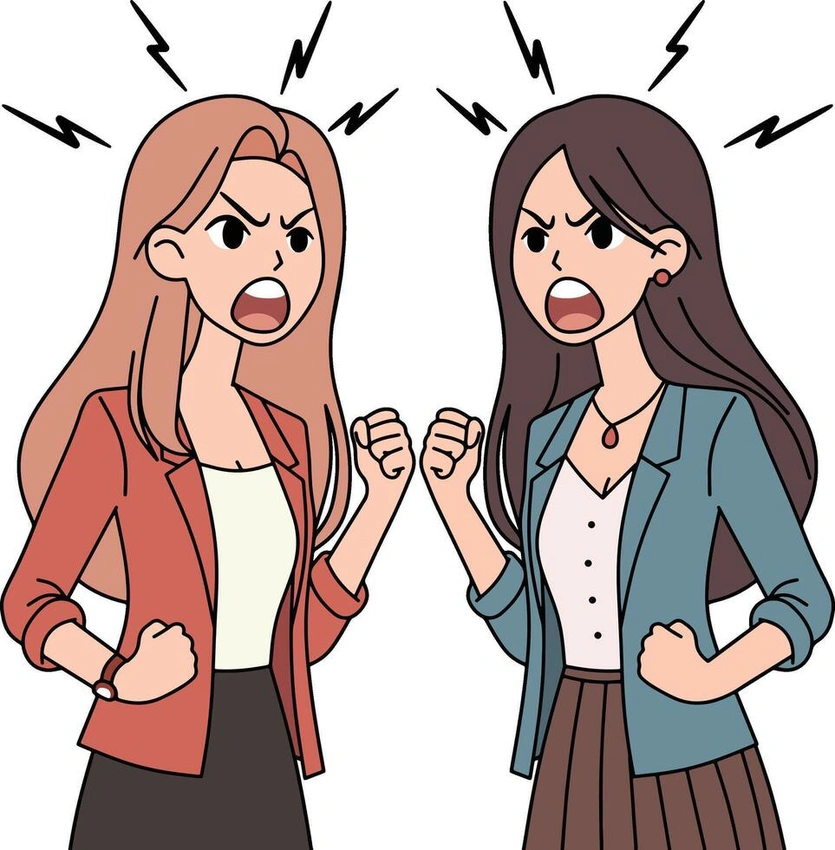
Scroll your feeds for ten minutes and you’ll see it, or hell even spend ten minutes around any other woman And it'll happen: women tearing each other down, subtweets about “pick-me” behaviour, threads policing other women’s choices, and endless comment fights over tiny things. That noise isn’t just “drama.” It’s a pattern, and social media stokes it, packages it, and sells it back to us as content.
Researchers watching platforms like TikTok found algorithms quickly amplifying misogynistic and hostile material, normalizing anger and blame directed at women. That content doesn’t stay online, it leaks into schoolyards, workplaces, and living rooms.
Internalized Mysogyny
There’s a name for the quiet engine behind those fights: internalized misogyny, when women absorb sexist ideas and then reproduce them against themselves and other women. As Maria Evteeva puts it in her 2024 paper 🔗, “Internalized misogyny occurs when women apply learned sexist behaviors to themselves and other women.” That’s not a personality flaw. It’s a socialized defense mechanism that preserves a sexist status quo.
So who benefits when women turn on each other? First: capitalism. Conflict is engagement. A viral beef means clicks, ad revenue, and more data for platforms to monetize. The “girl fight” aesthetic, think spiteful captions, reaction videos, and callout culture clips, feeds the attention economy. Brands and algorithms care about two things: time on site, and repeat visits. Nothing locks those metrics in like outrage served with a pretty thumbnail.
Second: patriarchy. If women are busy policing each other’s choices, style, or motherhood, collective bargaining power shrinks. Solidarity looks different when half the conversation is about who wore it “right” or who’s performing feminism “correctly.” Internalized misogyny fractures potential sisterhood, which historically has been the backbone of many feminist wins. Evteeva’s review of the literature is blunt: animosity and distrust between women weaken solidarity and help maintain unequal power structures.
On Social Media
What does social media research say about the sentiment? On platforms, scholars are finding patterns: trends like the “pick-me” trope and viral shaming normalize competitive behavior among women and reward content that pits them against one another. Studies tracing these TikTok trends show how identity and status fights get gamified, and how young people learn to perform rivalry for likes. In short: the platforms aren’t neutral, they nudge us toward spectacle.
Don’t get me wrong: some of that online heat is real accountability. Callouts have unearthed real harms and forced change. But accountability and performative pile-ons are different beasts. One demands consequences; the other demands content. The latter circulates fast and burns out people’s lives for the sake of virality. And because men still hold most institutional power, that spectacle rarely shifts the systems that enable harm in the first place.
Someone's Trying to Benefit Off of This
There’s another uglier layer: the manosphere and certain male-targeted subcultures actively weaponize internalized misogyny. By repackaging misogyny as “self-improvement” or “truth-telling,” these groups normalize resentment and give women templates to police one another, unwittingly aligning some women with anti-woman narratives. Recent reporting shows how such content is rebranded to dodge moderation and grow influence on youth platforms. That’s a growth industry for reactionary ideas, and a threat to women’s solidarity.
Here’s a blunt human example: I once watched a group chat where women I respected spent an hour arguing about whether “classic” motherhood was more valid than a single woman’s choice to travel. The argument shredded a potential allyship; it did nothing to change childcare policy, corporate parental leave, or income inequality, the structural problems behind both choices. Meanwhile, an ad for an app promising “mom-hacks” played in the corner. Click. Monetized. Win.
How to Win?
So what’s the antidote? A few practical, slightly radical moves:
- Name it, don’t shame it. Stop before you judge or criticize another woman for whatever reason. If you notice internalized misogyny in conversation, call it out as socialized behavior — not a moral failing. Blame the system, not the woman. (That shifts the target away from individuals and back onto structures.)
- Demand better platform design. Algorithms that reward rage and comparison need regulation and redesign. Researchers and educators are already calling for healthier digital diets and algorithmic accountability. If platforms are built to sell outrage, push for different rules.
- Push for collective solutions, not personal purity tests. Feminism that becomes a leaderboard for “most woke” or “least flawed” misses the point. Prioritize policy wins - paid leave, care infrastructure, anti-harassment enforcement, over petty online scrums.
- Practice solidarity publicly. When a woman is attacked online, amplify the context, not the spectacle. Share resources, demand due process, and invest in public education that weakens misogynistic narratives.
I’ll end with a bold, slightly angry line: stop treating women like they owe you something.The culture that profits from our fights will keep stoking them until we stop feeding the machine. Capitalism and patriarchy thrive when we mistrust and mock each other. The only way to starve that machine is simple: refuse the spectacle, build real solidarity, and send the profits of the outrage economy somewhere else.
If you’re tired of being the content, start being the community. It’s radical, it’s quiet, and it might actually work.
#InternalizedMisogyny, #Patriarchy, #AlgorithmBias, #WomenEmpowerment, #SocialMediaTruth
