#WomenEmpowerment
Login to reply.
No thots yet. Be the first to share your thoughts!
Wait, so Lakshmir Bhandar is completely ending? #womenempowerment
West Bengal is gearing up for a massive shift in its social welfare landscape. Starting June 1, 2026, the state will transition from the current Lakshmir Bhandar scheme to the more robust Annapurna Yojana. This change isn't just a name update; it brings a substantial financial boost to women across ... Read full article.
West Bengal's New Annapurna Yojana: ₹3,000 Monthly and Free Bus Travel!
Huge news for women in West Bengal! The Annapurna Yojana will offer ₹3,000 monthly, plus free bus travel across the state starting June 2026. Discove…
Huge news for women in West Bengal! The Annapurna Yojana will offer ₹3,000 monthly, plus free bus travel across the state starting June 2026. Discover all the details here.
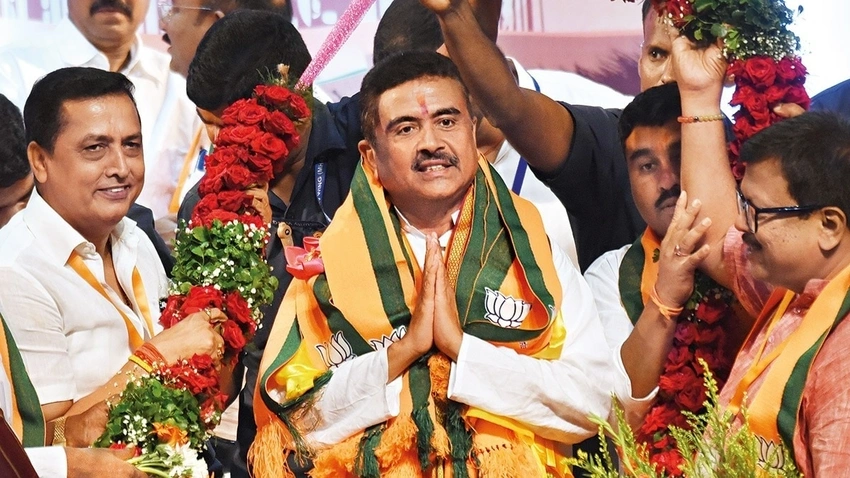
West Bengal is gearing up for a massive shift in its social welfare landscape. Starting June 1, 2026, the state will transition from the current Lakshmir Bhandar scheme to the more robust Annapurna Yojana. This change isn't just a name update; it brings a substantial financial boost to women across the state, ensuring they receive ₹3,000 every single month through Direct Benefit Transfer (DBT).
The new initiative aims to enhance the financial independence of women. For those already enrolled in the Lakshmir Bhandar program, there's no need to worry about complicated paperwork. The government has announced that existing beneficiaries will be automatically migrated to the Annapurna Yojana, making the transition seamless. However, new eligibility and verification mechanisms will be introduced to ensure the benefits reach those who need them most.
But the good news doesn't stop with financial aid. In another major move, the state government has announced that women will be able to travel for free on all state-run buses starting from the same date, June 1, 2026. This combined approach of financial support and free mobility is expected to significantly impact the daily lives and economic opportunities of women in West Bengal.
By increasing the monthly payout and removing travel costs, the government is looking to create a stronger safety net. Whether it's for education, healthcare, or starting a small business, this extra support could be a game-changer for millions of households. Stay tuned as more details on the verification process are expected to be released closer to the implementation date.
Login to comment.
8 Thots
More Like This
Wait, so Lakshmir Bhandar is completely ending? #womenempowerment
West Bengal's New Annapurna Yojana: ₹3,000 Monthly and Free Bus Travel!
Huge news for women in West Bengal! The Annapurna Yojana will offer ₹3,000 monthly, plus free bus travel across the state starting June 2026. Discove…
Login to reply.
No thots yet. Be the first to share your thoughts!
3000 rupees a month is a huge jump from the current amount. Very helpful. #womenempowerment
West Bengal is gearing up for a massive shift in its social welfare landscape. Starting June 1, 2026, the state will transition from the current Lakshmir Bhandar scheme to the more robust Annapurna Yojana. This change isn't just a name update; it brings a substantial financial boost to women across ... Read full article.
West Bengal's New Annapurna Yojana: ₹3,000 Monthly and Free Bus Travel!
Huge news for women in West Bengal! The Annapurna Yojana will offer ₹3,000 monthly, plus free bus travel across the state starting June 2026. Discove…
Huge news for women in West Bengal! The Annapurna Yojana will offer ₹3,000 monthly, plus free bus travel across the state starting June 2026. Discover all the details here.
West Bengal is gearing up for a massive shift in its social welfare landscape. Starting June 1, 2026, the state will transition from the current Lakshmir Bhandar scheme to the more robust Annapurna Yojana. This change isn't just a name update; it brings a substantial financial boost to women across the state, ensuring they receive ₹3,000 every single month through Direct Benefit Transfer (DBT).
The new initiative aims to enhance the financial independence of women. For those already enrolled in the Lakshmir Bhandar program, there's no need to worry about complicated paperwork. The government has announced that existing beneficiaries will be automatically migrated to the Annapurna Yojana, making the transition seamless. However, new eligibility and verification mechanisms will be introduced to ensure the benefits reach those who need them most.
But the good news doesn't stop with financial aid. In another major move, the state government has announced that women will be able to travel for free on all state-run buses starting from the same date, June 1, 2026. This combined approach of financial support and free mobility is expected to significantly impact the daily lives and economic opportunities of women in West Bengal.
By increasing the monthly payout and removing travel costs, the government is looking to create a stronger safety net. Whether it's for education, healthcare, or starting a small business, this extra support could be a game-changer for millions of households. Stay tuned as more details on the verification process are expected to be released closer to the implementation date.
Login to comment.
8 Thots
More Like This
3000 rupees a month is a huge jump from the current amount. Very helpful. #womenempowerment
West Bengal's New Annapurna Yojana: ₹3,000 Monthly and Free Bus Travel!
Huge news for women in West Bengal! The Annapurna Yojana will offer ₹3,000 monthly, plus free bus travel across the state starting June 2026. Discove…
Login to reply.
No thots yet. Be the first to share your thoughts!
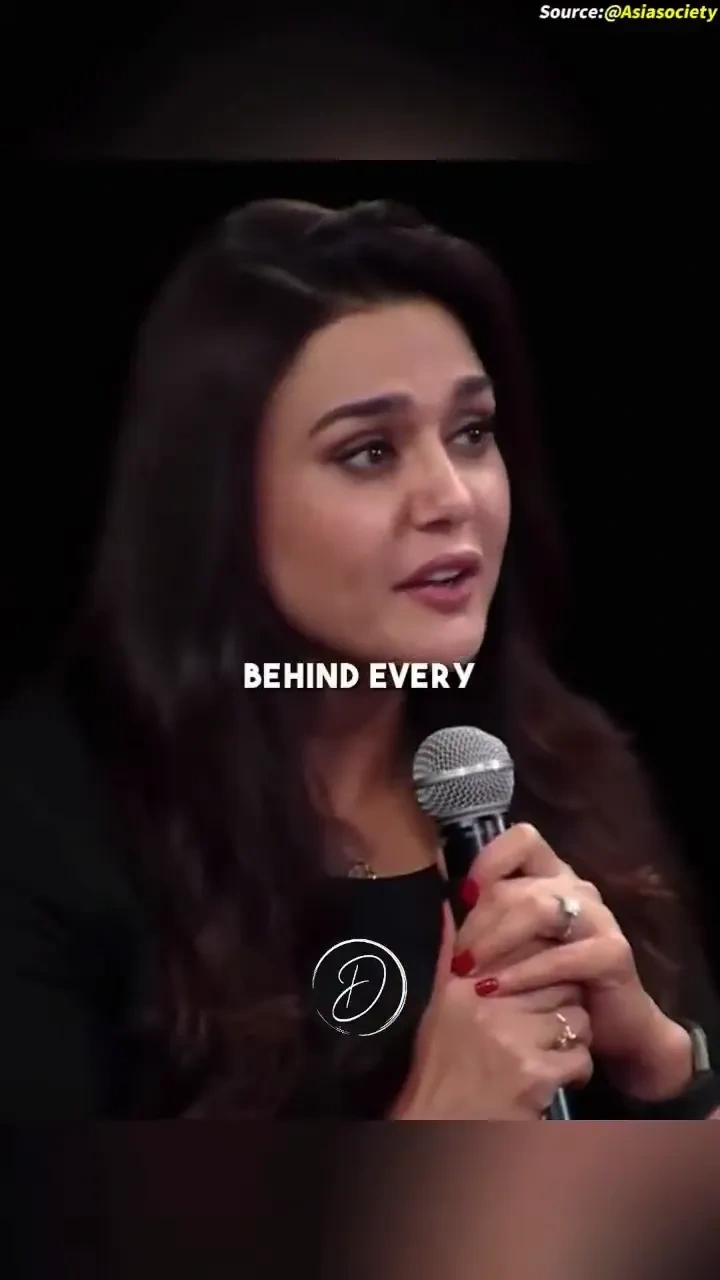
Progressive man, powerful women: Preity Zinta on support behind women's success. #PreityZinta #WomenEmpowerment #CelebrityInterview
Progressive man, powerful women:
Preity Zinta on support behind women's success.
Login to reply.
14 Replies
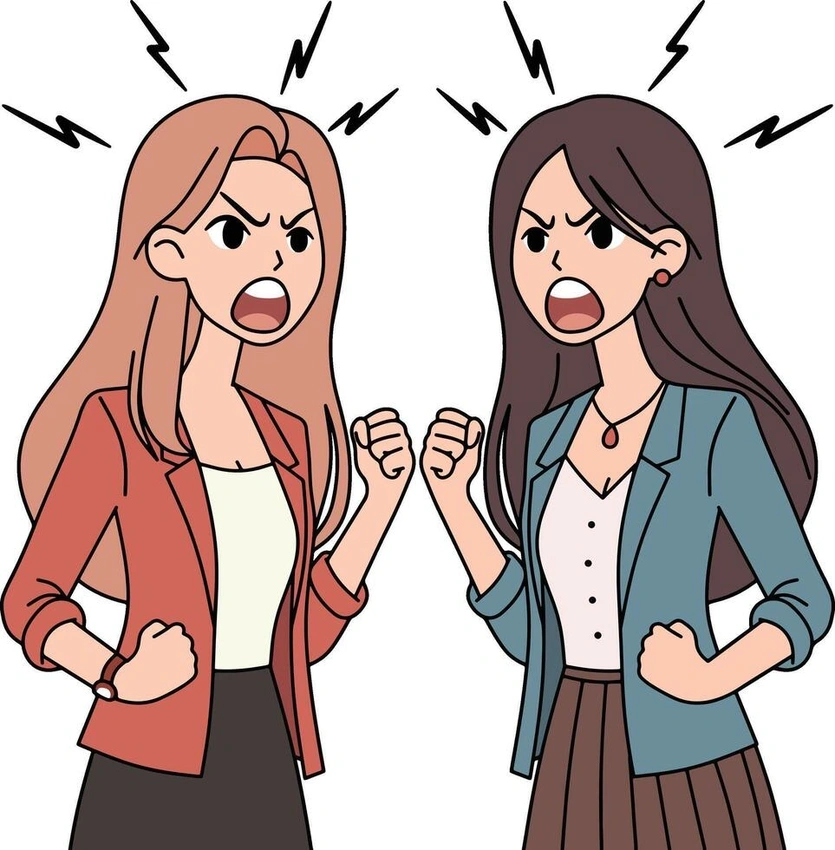
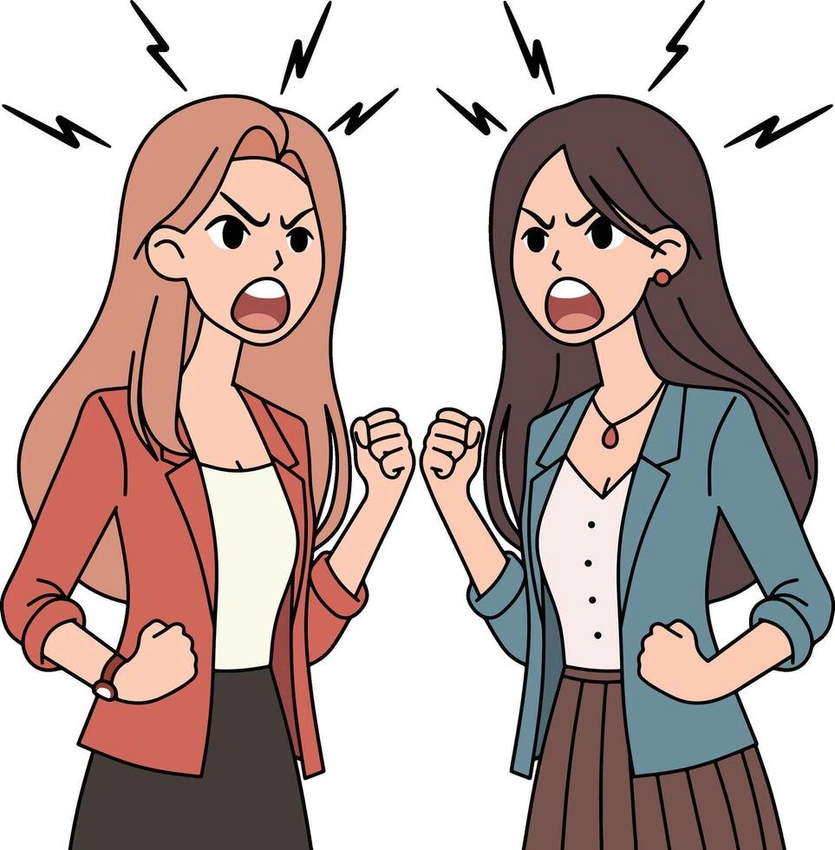
Who Benefits When Women Hate Each Other?
Spoiler: capitalism and patriarchy.
Short bold take up front: When women hate women, nobody wins, except capitalism and patriarchy.
Here’s why that sounds harsh and why it’s true.
Scroll your feeds for ten minutes and you’ll see it, or hell even spend ten minutes around any other woman And it'll happen: women tearing each other down, subtweets about “pick-me” behaviour, threads policing other women’s choices, and endless comment fights over tiny things. That noise isn’t just “drama.” It’s a pattern, and social media stokes it, packages it, and sells it back to us as content.

Researchers watching platforms like TikTok found algorithms quickly amplifying misogynistic and hostile material, normalizing anger and blame directed at women. That content doesn’t stay online, it leaks into schoolyards, workplaces, and living rooms.
Internalized Mysogyny
There’s a name for the quiet engine behind those fights: internalized misogyny, when women absorb sexist ideas and then reproduce them against themselves and other women. As Maria Evteeva puts it in her 2024 paper 🔗, “Internalized misogyny occurs when women apply learned sexist behaviors to themselves and other women.” That’s not a personality flaw. It’s a socialized defense mechanism that preserves a sexist status quo.
So who benefits when women turn on each other? First: capitalism. Conflict is engagement. A viral beef means clicks, ad revenue, and more data for platforms to monetize. The “girl fight” aesthetic, think spiteful captions, reaction videos, and callout culture clips, feeds the attention economy. Brands and algorithms care about two things: time on site, and repeat visits. Nothing locks those metrics in like outrage served with a pretty thumbnail.
Second: patriarchy. If women are busy policing each other’s choices, style, or motherhood, collective bargaining power shrinks. Solidarity looks different when half the conversation is about who wore it “right” or who’s performing feminism “correctly.” Internalized misogyny fractures potential sisterhood, which historically has been the backbone of many feminist wins. Evteeva’s review of the literature is blunt: animosity and distrust between women weaken solidarity and help maintain unequal power structures.
On Social Media
What does social media research say about the sentiment? On platforms, scholars are finding patterns: trends like the “pick-me” trope and viral shaming normalize competitive behavior among women and reward content that pits them against one another. Studies tracing these TikTok trends show how identity and status fights get gamified, and how young people learn to perform rivalry for likes. In short: the platforms aren’t neutral, they nudge us toward spectacle.
Don’t get me wrong: some of that online heat is real accountability. Callouts have unearthed real harms and forced change. But accountability and performative pile-ons are different beasts. One demands consequences; the other demands content. The latter circulates fast and burns out people’s lives for the sake of virality. And because men still hold most institutional power, that spectacle rarely shifts the systems that enable harm in the first place.
Someone's Trying to Benefit Off of This
There’s another uglier layer: the manosphere and certain male-targeted subcultures actively weaponize internalized misogyny. By repackaging misogyny as “self-improvement” or “truth-telling,” these groups normalize resentment and give women templates to police one another, unwittingly aligning some women with anti-woman narratives. Recent reporting shows how such content is rebranded to dodge moderation and grow influence on youth platforms. That’s a growth industry for reactionary ideas, and a threat to women’s solidarity.
Here’s a blunt human example: I once watched a group chat where women I respected spent an hour arguing about whether “classic” motherhood was more valid than a single woman’s choice to travel. The argument shredded a potential allyship; it did nothing to change childcare policy, corporate parental leave, or income inequality, the structural problems behind both choices. Meanwhile, an ad for an app promising “mom-hacks” played in the corner. Click. Monetized. Win.
How to Win?
So what’s the antidote? A few practical, slightly radical moves:
- Name it, don’t shame it. Stop before you judge or criticize another woman for whatever reason. If you notice internalized misogyny in conversation, call it out as socialized behavior — not a moral failing. Blame the system, not the woman. (That shifts the target away from individuals and back onto structures.)
- Demand better platform design. Algorithms that reward rage and comparison need regulation and redesign. Researchers and educators are already calling for healthier digital diets and algorithmic accountability. If platforms are built to sell outrage, push for different rules.
- Push for collective solutions, not personal purity tests. Feminism that becomes a leaderboard for “most woke” or “least flawed” misses the point. Prioritize policy wins - paid leave, care infrastructure, anti-harassment enforcement, over petty online scrums.
- Practice solidarity publicly. When a woman is attacked online, amplify the context, not the spectacle. Share resources, demand due process, and invest in public education that weakens misogynistic narratives.
I’ll end with a bold, slightly angry line: stop treating women like they owe you something.The culture that profits from our fights will keep stoking them until we stop feeding the machine. Capitalism and patriarchy thrive when we mistrust and mock each other. The only way to starve that machine is simple: refuse the spectacle, build real solidarity, and send the profits of the outrage economy somewhere else.
If you’re tired of being the content, start being the community. It’s radical, it’s quiet, and it might actually work.
#InternalizedMisogyny, #Patriarchy, #AlgorithmBias, #WomenEmpowerment, #SocialMediaTruth
Login to comment.
3 Thots
More Like This
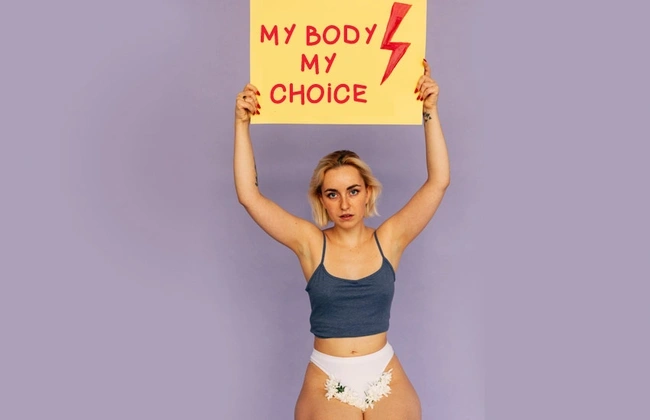
Abortion Laws: The Importance of Choice
Abortion is a very sensitive topic in all countries. But there are also a few countries which restrict a woman’s choice, irrespective of the nature o…
Abortion is a very sensitive topic in all countries. But there are also a few countries which restrict a woman’s choice, irrespective of the nature of the pregnancy and the circumstances of the parent. This article discu
In recent news, there have been a lot of changes in abortion laws around the world. Be it here in India or the USA or Ireland. Every country has its own complicated set of abortion related issues and laws. For the most part, getting an abortion in India is not as much as an issue as it is in a few other countries.
A lot of Islamic countries have strict laws against abortion. In the UAE, an abortion is illegal unless the pregnancy endangers the woman’s life or there is evidence that the foetus will be born with deformities and will not survive.
Let’s take a look at some abortion laws that hamper the complete choice that a woman, in my opinion, should have about the continuation or termination of her pregnancy.
Abortion Laws around the World
India
The abortion laws need to be carefully crafted to maintain the rights of all, especially in a country like India where female foeticide is not unheard of. Abortion, if required, under any and all circumstances should be independent of the gender of the foetus. In India the abortion laws allow a person to terminate a pregnancy under four circumstances.
Until recently, these were either to save the birth giver’s life (to preserve the mental and physical health of the birth giver), failure of contraception in married women, abnormalities in foetus or if the nature of the pregnancy is forceful.
New Bill- MTP Act Amendment
A new bill has recently been passed that allows women to opt for abortion till 24 weeks of pregnancy. Earlier this mark was set at 20 weeks. This bill also allows unmarried women to avail an abortion in case of failure of contraceptives. Earlier this was limited to married women. The previous bill allowed an abortion till 12 weeks with the opinion of one doctor and post that, with the opinion of two. The new bill has brought down this requirement to only one opinion.
The awareness about these laws is so less, that women do not know about their rights and options. There is also the requirement of a doctor’s opinion in order to get an abortion. Birth givers are often made to believe that they have to acquire the permission of their parents or partner in order to discontinue or terminate a pregnancy even after 18 years of age, which in India is the legal age bar. This lack of proper information often leads to unsafe abortions that hamper the health of the individual in question.
A lot of developed countries also have on-going controversies about abortion. The USA for instance, has a pro-life vs. choice movement, which debates over abortion and the morals for and against it.
U.S.A.
Abortion is one of the most debated issues in the United States too. There are people who cite religious beliefs to label it as an immoral practice that should be banned. Meanwhile, some abortion right groups protest on the grounds that as the woman is carrying the child should get to decide on matters that affect her physical, emotional and mental health.
The state of Mississippi will face a supreme court hearing to defend its law banning abortions after 15 weeks pregnancy. The state’s General attorney has appealed to the court to overturn its 1973 legalization of abortions nationwide.
Texas state too has a new law that came into effect on Sept 1. According to this law an abortion is only allowed before six weeks of gestation. This law has been suspended. According to abortion rights groups, 85-90% of abortions in Texas are performed after 6 weeks. Such a law will result in a lot of undetected pregnancies being carried on if detected after the 6 week mark as the parents would not have the choice of opting for the termination of the pregnancy in the state. This law is now being questioned and held up for suspension until a new ruling is drawn in court.
European Countries
Out of the European countries, forty-one have legalized abortion on request or broad socio-economic grounds. Thirty-nine of these nations have made abortion on demand legal, either for any reason or on medical grounds. Only six European nations have stringent abortion laws prohibiting abortion on demand or on the basis of broader societal considerations.
There are a few European nations with laws with a time restriction for abortion on demand or social reasons. They have set the mark between 18 and 24 weeks of pregnancy, while others set the limit on first trimester. However, in some instances, such as when a woman’s health or life is in jeopardy, all of these nations’ laws grant permission for abortion even later in the pregnancy. In Europe, it is a customary practice not to set time period limitations for these reasons. Several European nations have passed legislation to extend the time limitations for abortion on-demand or on broad societal reasons.
Egypt
The abortion laws in Egypt are highly restrictive and abortion is banned. The women who choose to have an abortion could be imprisoned for six months to three years according to the Penal Code while the doctor performing the abortion could face three to fifteen years in prison.
The Egyptian abortion law does not allow abortion even in the cases of rape and incest. This compels women to look for alternatives or indigenous methods of abortion and most of these have considerable risks and unsafe conditions.
Women often try to terminate the pregnancy through physical means by risking their lives or drinking traditional drinks. The Egyptian abortion law is based on Islamic Sharia Law and termination is permitted only under severe risks to the mother’s life.
Even married women have trouble getting an abortion on broader societal reasons, even more risky for unmarried women. Socially, women seeking abortions or those who have opted for abortion in the past are looked down upon and labelled as women with loose character. This makes it even more important for access and knowledge of safe birth control for both men and women in order to avoid unwanted, risky pregnancies.
Philippines
Abortion in the Philippines is illegal under all conditions and is surrounded by a lot of social stigmas. Even on the event of there being a risk to the mother’s life, abortion is not permitted. There aren’t any special provisions for rape or assault related pregnancies.
Also read: Psychological Changes during Lockdown & How to Cope with Them 🔗
Even though abortion is illegal in the Philippines, it isn’t uncommon. Generally, it is performed under unsanitary conditions without proper medical supervision. About 1,000 women die each year due to abortion related complications. This also adds to the higher mortality rate of the country.
As these women have unsafe abortions without the interference of a medical practitioner, they need post abortion care. This is not readily available due to the stigma around abortion. Especially the women who are poor or live in rural areas have a lot of exposure to such incidents.
Women who have undergone illegal, unsafe abortions due to lack of better options are often faced with abuse and threats by the community, including health care workers. Physicians who perform abortions with the consent of the woman could face up to six years in prison. This prevents women from having safer means of abortion of unwanted pregnancies.
Another factor that adds to the increase of unwanted pregnancies is lack of knowledge about contraceptives. There is limited access to modern methods of contraception which are not widely used due to lack of awareness and information.
Necessity of Choice
Almost half the pregnancies, more in some countries, are unplanned. Some are a result of sexual assaults, rape, failure of birth control and teen negligence among a plethora of reasons. A few of these pregnant women are in abusive marriages, unstable environments without proper care and safe nutrition. Some have lack of medical assistance, lack of financial security to raise a child and more of such issues. These problems can cause the pregnancy, and later on, parenthood, to have adverse effects on the parent and the child. These unfavorable circumstances are the reason why the pregnant parent should have complete choice over the future of the pregnancy.
No external factor, in my opinion, would even come close to knowing the circumstances that a person carrying the child is living in and the conditions under which the child was conceived. There are different issues in different countries, like female foeticide 🔗 in India. These have forced the government to put certain laws in place. These laws might hamper the choice that parents to be, especially the mothers-to-be, deserve.
Read next:
Need for Spreading Self-Information: A Basic Human Need 🔗
#AbortionRights #WomenEmpowerment #IndiaAbortionLaws #GlobalHealthMatters #ReproductiveFreedom #AbortionLaws #WomenChoiceMatters
Login to comment.
4 Thots
More Like This
Comments
-
Loading...
-
-
-
-
-
-
-
Please select a valid reason.
Login to comment.